
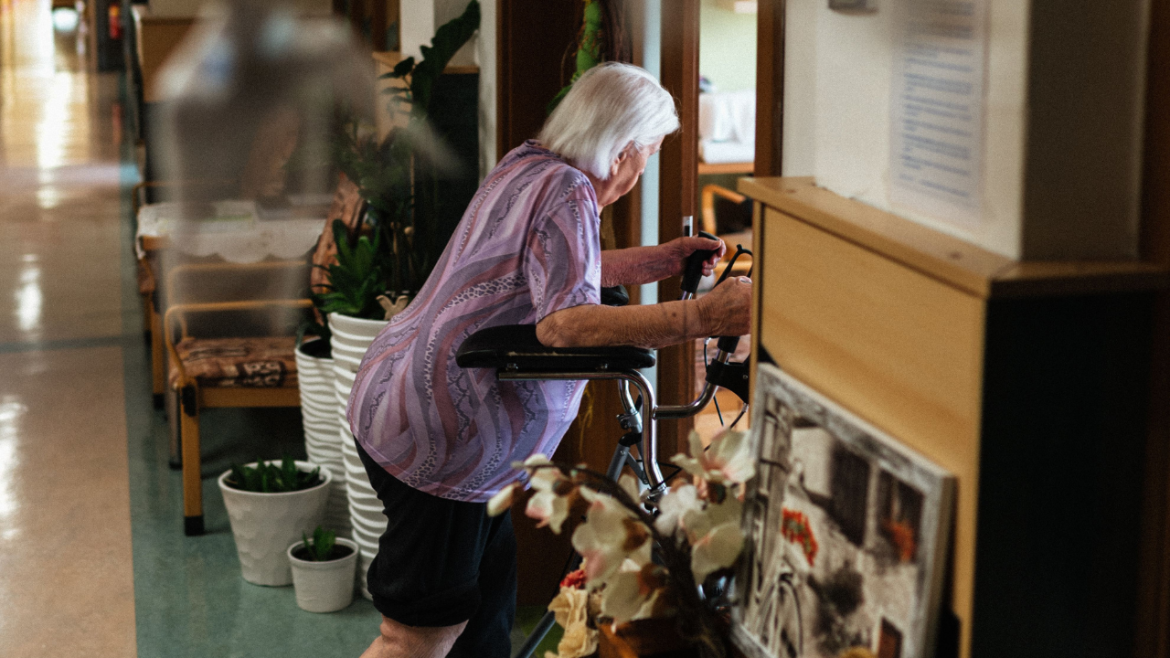
How To Help A Senior Use A Walker
A walker can provide tremendous freedom for a senior who has difficulty maintaining balance, walking confidently, or moving safely throughout everyday environments. However, simply owning a walker does not automatically make walking safer. Using the wrong walker, positioning it incorrectly, leaning too heavily on it, or moving too quickly can actually increase the risk of falling. For caregivers and family members, understanding how to help a senior use a walker properly can therefore make an important difference in both safety and independence.
Mobility changes can also be emotionally challenging because accepting a walker sometimes feels like acknowledging a loss of physical ability. Instead of presenting the device as evidence of limitation, families can emphasize the freedom it provides. A properly used walker may allow someone to continue moving around the house, visiting family, attending appointments, or participating in favorite activities with greater confidence.
The goal should always involve supporting mobility rather than unnecessarily restricting it.
Make Sure the Walker Fits Properly
Before helping a senior walk, the mobility device should be appropriately fitted to their body. A walker positioned too high may cause raised shoulders and uncomfortable posture, while one positioned too low can encourage excessive bending and place additional strain on the back.
When standing upright inside the walker, a senior should generally have a slight bend in the elbows while comfortably holding the handgrips. The exact positioning may depend on the individual’s height, posture, strength, and medical needs, which is why professional fitting can be particularly valuable.
A physical therapist or other qualified healthcare professional can evaluate walking patterns and recommend the appropriate walker type and height.
Proper positioning creates the foundation for safer movement.
Understand Different Types of Walkers
Not every walker functions the same way. Standard walkers have four stationary legs and must generally be lifted slightly before each step, while two-wheel walkers allow the front of the device to roll forward. Four-wheel walkers, commonly called rollators, typically include brakes and may feature built-in seats.
Each design provides different levels of support, maneuverability, and stability. A senior with significant balance problems may require something different from an individual who primarily needs assistance during longer walks.
Choosing a walker solely because it looks convenient can create unnecessary risk if it does not match the person’s abilities.
Professional recommendations become especially important when mobility has changed following surgery, a stroke, an injury, or a neurological condition.
Teach Safe Walking Technique
Once the walker is properly fitted, seniors should learn how to move with it rather than simply pushing it ahead. Generally, the walker should remain close enough to provide support without forcing the person to reach excessively forward.
Depending on the device and the person’s condition, the walker is moved slightly ahead before the senior steps forward while maintaining control and balance. Someone with one weaker leg may receive specific instructions regarding which leg moves first, particularly during rehabilitation.
The senior should avoid placing the walker too far forward because doing so shifts the body away from its stable base of support. Looking primarily toward the walking path rather than constantly downward can also encourage better posture and awareness of approaching obstacles.
Slow, deliberate movement is usually safer than rushing.
Help Without Pulling the Senior
Caregivers naturally want to prevent falls, yet holding or pulling someone incorrectly can disrupt balance instead of improving it. Rather than dragging a senior forward by the arms, caregivers should remain close enough to provide assistance while allowing the person to control their own movement whenever safely possible.
The exact position of the caregiver may depend on the senior’s weakness and fall risk. Someone with significant mobility limitations may require specialized assistance techniques, gait belts, or hands-on support recommended by a physical therapist.
Caregivers should never attempt a transfer or walking technique they cannot safely perform.
Supporting independence means providing enough assistance without taking away abilities the senior can still use.
Standing Up With a Walker
Standing from a chair is a common moment when falls can occur. A senior should generally move toward the front of the chair, position their feet securely, and use the chair’s armrests or another stable surface to push upward rather than pulling themselves up using the walker.
Once standing and balanced, the individual can place their hands securely on the walker. Pulling aggressively on an unsecured walker may cause the device to tip or slide toward the person.
Taking a moment to establish balance before beginning to walk can prevent dizziness or instability from immediately becoming a fall.
Transitions deserve the same attention as walking itself.
Sitting Down Safely
Sitting requires careful positioning as well. The senior should approach the chair slowly until they are appropriately positioned and can safely reach for the chair according to the technique recommended for their mobility level.
Rather than dropping suddenly into the seat, controlled lowering helps maintain balance while reducing strain on the joints. Chairs with supportive armrests are often easier to use because they provide stable surfaces during transitions.
A caregiver should ensure that the chair cannot unexpectedly slide, particularly on smooth flooring.
Repeated practice can make these movements feel considerably more natural.
Create Safer Walking Paths at Home
Even excellent walker technique cannot compensate for a cluttered environment. Homes should provide enough space for the walker to move comfortably through commonly used areas without repeatedly striking furniture or household objects.
Loose rugs, electrical cords, clutter, wet floors, poorly positioned furniture, and inadequate lighting can become serious hazards. Thresholds and uneven flooring may also require additional attention because walker wheels or legs can catch unexpectedly.
Frequently used items should remain easily accessible so seniors do not need to reach dangerously while maintaining balance.
Creating clear pathways supports both safety and independence.
Pay Attention to Footwear
Safe mobility depends on more than the walker itself. Shoes should fit comfortably and provide adequate traction without creating unnecessary tripping hazards.
Walking in loose slippers, oversized shoes, or socks on slippery flooring may reduce stability even when the walker is being used correctly. Comfortable, supportive footwear can improve confidence while allowing the feet to maintain better contact with the floor.
Small details often determine whether an environment feels secure or unpredictable.
Inspect the Walker Regularly
Walkers experience gradual wear through everyday use, making regular inspection important. Handgrips, rubber tips, wheels, brakes, folding mechanisms, and other components should remain secure and functional.
A damaged rubber tip may reduce traction, while poorly functioning rollator brakes can become dangerous during sitting or standing. Any unusual movement, looseness, or instability deserves attention before the walker is used again.
Routine maintenance protects the reliability of an important mobility device.
Encourage Confidence Without Rushing
Learning to use a walker can be frustrating for someone who previously walked independently. Seniors may feel embarrassed about moving slowly or worry that other people are watching them.
Caregivers can make an enormous emotional difference by remaining patient and avoiding unnecessary pressure. Celebrating progress while allowing additional time for movement helps build confidence without making the individual feel incapable.
A walker should represent greater freedom rather than personal failure.
Supporting Safer Independence Every Day
Learning how to help a senior use a walker requires proper equipment, careful technique, a safer home environment, and compassionate encouragement. The walker should fit correctly, remain close to the body during movement, and provide appropriate support during walking and transitions.
Whenever balance problems are significant or mobility suddenly changes, evaluation from a physical therapist or healthcare professional can provide individualized instruction that is safer than relying on general guidance alone.
Ultimately, helping someone use a walker is about much more than getting from one room to another. Every safe step can restore a little confidence, preserve meaningful independence, and allow an older adult to remain connected with the routines and people that make everyday life worthwhile. With patience, proper guidance, and an environment designed around safety, a walker can become an empowering tool that helps seniors continue moving forward with greater security and confidence.