
How Does Doing Arts & Crafts Help Benefit Seniors?
Growing older can bring more free time, but it can also introduce changes involving mobility, social relationships, daily routines, and personal independence. Finding meaningful activities becomes especially important during these years because staying engaged can support emotional wellness while giving each day greater purpose. Arts and crafts offer seniors an accessible way to remain creative, mentally stimulated, socially connected, and personally accomplished without requiring intense physical activity.
Painting a landscape, knitting a scarf, creating a scrapbook, decorating pottery, or completing another handmade project involves considerably more than passing time. These activities require concentration, decision-making, coordination, imagination, and patience, which can stimulate several important abilities simultaneously.
More importantly, creating something personally meaningful can remind older adults that their talents, ideas, and creativity remain valuable throughout every stage of life.
Arts and Crafts Keep the Mind Engaged
Creative projects encourage seniors to actively use their minds rather than simply observing entertainment. Choosing colors, following patterns, remembering instructions, planning designs, and solving small problems throughout a project require sustained cognitive engagement.
For example, knitting requires someone to remember patterns while coordinating repeated movements, whereas painting encourages decisions involving shapes, colors, proportions, and visual details. Scrapbooking can stimulate another combination of abilities because seniors may organize photographs while recalling people, locations, celebrations, and meaningful experiences connected with them.
Although arts and crafts cannot prevent every form of cognitive decline, mentally stimulating activities can become an enjoyable component of a broader healthy-aging lifestyle.
Because the activity feels enjoyable rather than clinical, seniors may also remain engaged considerably longer.
Creativity Can Support Memory
Certain arts and crafts naturally encourage older adults to revisit memories that carry tremendous emotional significance. A photograph used in a scrapbook might remind someone of a childhood vacation, while an old family recipe transformed into a decorative keepsake could inspire memories of holiday gatherings from decades earlier.
These moments can create opportunities for reminiscence, storytelling, and conversations with younger family members. Consequently, crafting can become an emotional bridge connecting generations while preserving personal history that might otherwise gradually disappear.
For seniors experiencing memory changes, familiar creative activities may also provide comfort because the motions, materials, or subjects can feel recognizable.
Sometimes, one handmade object carries an entire lifetime of memories.
Fine Motor Skills Receive Gentle Exercise
Many creative activities require small, controlled movements involving the fingers, hands, and wrists. Drawing, painting, crocheting, sewing, sculpting, cutting paper, and assembling crafts therefore provide opportunities to practice coordination and dexterity during an enjoyable activity.
Maintaining these abilities can influence everyday independence because similar movements are required when buttoning clothing, holding utensils, writing, opening containers, or handling household objects.
However, crafts should always match the individual’s physical abilities. Seniors experiencing arthritis, tremors, weakness, or limited hand mobility may benefit from larger tools, thicker handles, easier materials, and shorter sessions that prevent unnecessary discomfort.
Adapting the activity allows creativity to continue without turning enjoyment into frustration.
Creative Activities Can Reduce Stress
Later adulthood sometimes includes emotionally difficult experiences involving retirement, health changes, bereavement, relocation, or decreased independence. During these transitions, creative activities can provide a peaceful place for attention to shift away from persistent worries.
Concentrating on brushstrokes, stitches, shapes, or colors encourages attention toward what is happening in the present moment. This focused experience can feel calming, particularly when the activity has no pressure attached to performance or perfection.
Completing a project can also create genuine satisfaction during periods when other parts of life feel uncertain.
That emotional reward matters because seniors deserve opportunities to experience excitement, anticipation, pride, and personal achievement throughout aging.
Arts and Crafts Encourage Social Connection
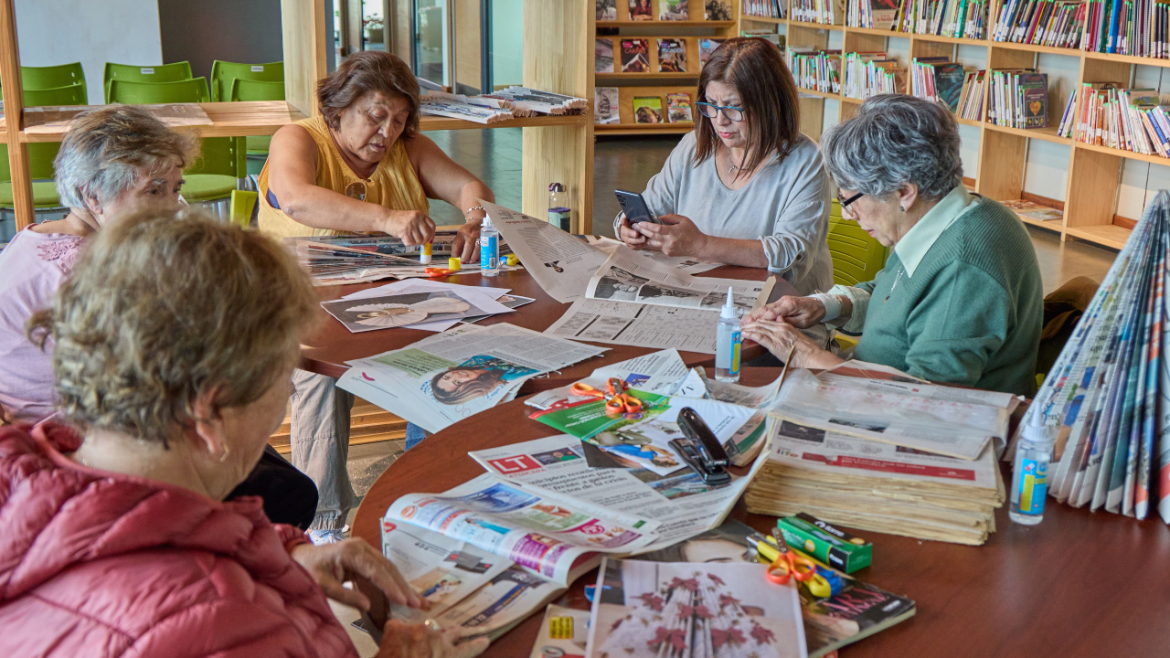
Crafting does not need to be an individual activity. Senior centers, assisted living communities, libraries, recreation programs, and family gatherings frequently provide opportunities for older adults to create alongside other people.
Working around the same table naturally encourages conversation, laughter, storytelling, and cooperation. Over time, these interactions can develop into friendships that extend beyond the original activity, giving seniors another reason to remain socially engaged.
This connection can become particularly meaningful for someone experiencing loneliness after retirement, losing a spouse, or moving away from longtime friends.
Even family craft nights can provide opportunities for grandchildren and grandparents to connect without technology or complicated entertainment separating them.
Creating Something Can Restore Confidence
Physical or cognitive changes sometimes cause seniors to focus heavily on activities they can no longer perform as easily as before. Creative hobbies can shift attention toward what remains possible.
Finishing a painting or completing a handmade gift creates visible evidence of accomplishment. Moreover, there is something uniquely meaningful about being able to hold a finished creation and recognize the patience, imagination, and effort responsible for producing it.
Seniors can also give their creations to family members, which adds another emotional dimension. A handmade blanket, painted picture frame, or carefully assembled scrapbook may eventually become a treasured family possession.
Creativity allows someone to continue contributing rather than simply receiving assistance from others.
Crafts Can Provide Structure and Purpose
Retirement can dramatically change routines that existed for decades. Without work schedules, appointments, or regular responsibilities filling each day, some older adults struggle with boredom or a reduced sense of purpose.
Having an ongoing creative project provides something enjoyable to anticipate. A senior might spend several afternoons completing a painting, gradually build a family scrapbook, or work on a quilt intended for a grandchild.
These projects create gentle goals without introducing unnecessary pressure.
Additionally, hobbies can encourage seniors to develop new skills, proving that learning and personal growth remain possible regardless of age.
Choosing Crafts That Match Individual Abilities
The most beneficial arts and crafts activities are those seniors genuinely enjoy and can comfortably participate in. Someone who dislikes painting should not feel pressured into painting simply because it is considered therapeutic, while another individual may discover an unexpected passion after trying it for the first time.
Physical limitations, eyesight, cognitive abilities, personal interests, and previous experiences should influence activity selection. Adaptations can make many projects accessible, including larger-print patterns, lightweight materials, ergonomic tools, improved lighting, and simplified instructions.
Success should be measured through enjoyment and engagement rather than artistic perfection.
The finished project matters, but the experience of creating it matters even more.
Creativity Can Remain Part of Healthy Aging
So, how does doing arts and crafts help benefit seniors? Creative activities can encourage cognitive engagement, support fine motor skills, stimulate meaningful memories, reduce stress, strengthen social connections, and provide a powerful sense of accomplishment.
However, perhaps the greatest benefit is something more personal. Creativity gives older adults another way to express themselves during a period of life when physical limitations or changing circumstances can sometimes make personal independence feel smaller.
A paintbrush, knitting needle, photograph, or piece of clay can become an opportunity to create something entirely new.
Growing older does not eliminate imagination, curiosity, or the desire to accomplish something meaningful. By making arts and crafts part of everyday life, seniors can continue learning, connecting, creating, and sharing pieces of themselves with the people they love, transforming ordinary afternoons into experiences filled with purpose, pride, memories, and genuine joy.