
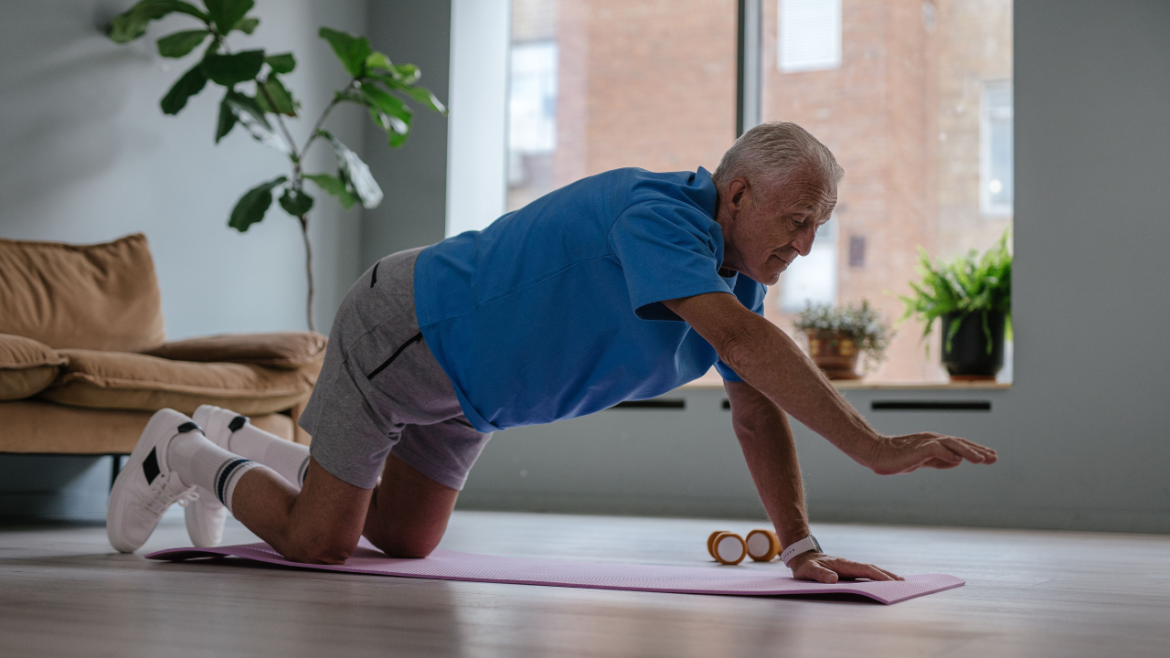
Mobility Exercises For Seniors
As people age, maintaining mobility becomes one of the most important factors in preserving independence, confidence, and overall quality of life. Mobility affects nearly every aspect of daily living, from getting out of bed in the morning to walking through the grocery store, visiting family members, or simply moving comfortably around the home. When mobility begins to decline, many seniors find that everyday tasks become more difficult, which can lead to frustration, reduced activity levels, and a loss of confidence.
Fortunately, mobility exercises can help seniors maintain flexibility, strength, balance, and coordination while supporting healthier movement patterns. These exercises are not necessarily about intense workouts or athletic performance. Instead, they focus on keeping the body functional, comfortable, and capable of handling daily activities safely.
By incorporating mobility exercises into a regular routine, seniors can often improve their physical abilities while supporting long-term health and independence.
Understanding the Difference Between Mobility and Exercise
Many people assume mobility and exercise are exactly the same, yet they serve slightly different purposes. Traditional exercise often focuses on building strength, endurance, or cardiovascular fitness. Mobility exercises, on the other hand, emphasize the body’s ability to move freely and efficiently through its natural range of motion.
For seniors, mobility is especially important because joints and muscles naturally become less flexible with age. Without regular movement, stiffness can develop, making activities such as reaching, bending, turning, and walking more challenging.
Mobility exercises help maintain healthy movement patterns by encouraging gentle motion throughout the body. As a result, seniors often experience greater comfort and improved physical function during daily activities.
This focus on movement quality can make a meaningful difference in overall well-being.
Improving Flexibility and Joint Health
One of the primary benefits of mobility exercises is improved flexibility. Aging often leads to tighter muscles and reduced joint movement, which can contribute to discomfort and limited physical function.
Gentle stretching and controlled movement exercises help maintain flexibility by encouraging muscles and connective tissues to remain active and responsive. Over time, improved flexibility can make everyday tasks feel easier and more comfortable.
Simple activities such as reaching overhead, turning the torso, or bending to pick something up often become more manageable when flexibility is maintained. These improvements may seem small individually, yet they collectively contribute to greater independence and confidence.
Supporting joint health through regular movement also helps reduce stiffness that commonly develops with inactivity.
Supporting Better Balance and Stability
Balance becomes increasingly important as people grow older because falls represent one of the most significant health risks facing seniors. Mobility exercises often include movements that challenge balance gently while improving coordination and body awareness.
When balance improves, seniors frequently feel more secure while walking, standing, and navigating different environments. This increased stability can reduce the fear of falling, which often limits activity levels unnecessarily.
Maintaining balance also supports independence by making it easier to perform daily tasks without constant assistance. Seniors who feel physically stable are often more willing to remain active and engaged in their communities.
These benefits extend beyond physical safety and contribute positively to emotional well-being as well.
Maintaining Strength for Everyday Activities
While mobility exercises are not solely focused on strength training, they often help maintain muscle function through regular movement. Everyday activities require strength in the legs, core, arms, and back, and these muscle groups benefit from consistent engagement.
Movements such as standing from a chair, climbing stairs, carrying groceries, or walking across a parking lot all depend on maintaining adequate strength and coordination. Mobility exercises help reinforce these abilities by encouraging functional movement patterns.
As seniors preserve muscle function, they often find that routine activities require less effort and cause less fatigue. This increased ease of movement can significantly improve overall quality of life.
Strength and mobility work together to support long-term independence.
Encouraging Healthy Circulation and Energy Levels
Regular movement supports circulation throughout the body, which becomes especially important as individuals age. Mobility exercises encourage blood flow to muscles, joints, and tissues, helping deliver oxygen and nutrients where they are needed most.
Improved circulation often contributes to higher energy levels and greater physical comfort throughout the day. Seniors who remain active frequently report feeling less stiff and more energized compared to those who spend long periods sitting.
Movement also supports cardiovascular health and can help reduce some of the physical discomfort associated with prolonged inactivity.
These benefits make mobility exercises a valuable part of a healthy aging lifestyle.
The Emotional Benefits of Staying Mobile
The advantages of mobility exercises extend far beyond physical health. Many seniors experience emotional benefits when they maintain the ability to move comfortably and independently.
Mobility limitations can sometimes lead to frustration, isolation, or feelings of dependence. When movement becomes easier, individuals often regain confidence and feel more capable of participating in activities they enjoy.
Being able to walk through a park, visit friends, attend family gatherings, or simply navigate the home comfortably contributes to a stronger sense of self-reliance. These experiences help reinforce dignity and emotional well-being.
The connection between physical movement and mental health should never be underestimated.
Creating a Consistent Routine
One of the most effective ways to benefit from mobility exercises is through consistency. Small amounts of movement performed regularly often produce better results than occasional intense activity.
Many seniors find success by incorporating mobility exercises into their daily routine. Gentle stretching in the morning, light movement during the day, and simple flexibility exercises in the evening can help maintain physical function over time.
The goal is not perfection or strenuous effort. Instead, it is about creating sustainable habits that support healthy movement and overall wellness.
Consistency allows the body to adapt gradually while reducing the likelihood of injury or discomfort.
Adapting Mobility Exercises to Individual Needs
Every senior has unique physical abilities, medical conditions, and mobility goals. Some individuals may enjoy standing exercises, while others benefit more from seated movements or modified routines.
The most effective mobility program is one that matches the individual’s needs and abilities. Healthcare providers, physical therapists, and fitness professionals can help design appropriate exercises that support safety and long-term success.
Personalization ensures that mobility exercises remain both effective and enjoyable.
Building a Foundation for Healthy Aging
Mobility exercises for seniors provide a powerful way to support physical health, emotional well-being, and overall independence. By improving flexibility, balance, strength, circulation, and confidence, these exercises help older adults maintain the ability to participate fully in everyday life.
The benefits often extend far beyond physical movement alone. Seniors who remain mobile frequently experience greater freedom, reduced fear of falling, and a stronger sense of control over their daily routines.
In the end, mobility exercises are not simply about keeping the body moving. They are about preserving independence, supporting dignity, and helping seniors continue living active, fulfilling lives while embracing the opportunities that healthy aging can provide.