
How To Help Seniors Who Have Asthma?
Asthma is often thought of as a condition that primarily affects children and younger adults, yet many seniors live with asthma as well. Some individuals have managed the condition for decades, while others receive a diagnosis later in life. Regardless of when asthma develops, it can significantly affect daily comfort, activity levels, and overall quality of life. Because breathing is something most people rarely think about until it becomes difficult, asthma symptoms can feel especially frightening for older adults.
Learning how to help seniors who have asthma begins with understanding that aging can make respiratory challenges more complicated. Older adults may also be managing other health conditions that affect breathing, circulation, or mobility, which can make asthma symptoms more difficult to recognize and control.
With proper support, however, many seniors can continue enjoying active and fulfilling lives while successfully managing their asthma.
Recognizing Common Asthma Symptoms
One of the most important ways to help seniors with asthma is by recognizing symptoms early and responding appropriately. Asthma causes inflammation and narrowing of the airways, making it harder for air to move freely through the lungs.
Common symptoms include wheezing, coughing, shortness of breath, chest tightness, and difficulty breathing during physical activity. Some seniors may also experience worsening symptoms at night or during certain weather conditions.
Because these symptoms can overlap with other age-related health concerns, asthma is sometimes overlooked or mistaken for another condition. Caregivers and family members should pay close attention to changes in breathing patterns, energy levels, and overall comfort.
Early recognition often allows treatment to begin before symptoms become severe.
Understanding Asthma Triggers
Every person with asthma has unique triggers that may cause symptoms to worsen. Identifying and reducing exposure to these triggers is one of the most effective ways to help seniors maintain better respiratory health.
Common asthma triggers include dust, pollen, pet dander, mold, smoke, strong fragrances, and air pollution. Weather changes can also play a significant role, particularly when temperatures become extremely hot, cold, or humid.
In Arizona and other regions with seasonal allergens or dust storms, environmental conditions may increase respiratory irritation for many seniors. Understanding which factors contribute to asthma flare-ups allows caregivers and family members to create safer living environments.
Reducing trigger exposure often leads to fewer symptoms and greater overall comfort.
Supporting Proper Medication Use
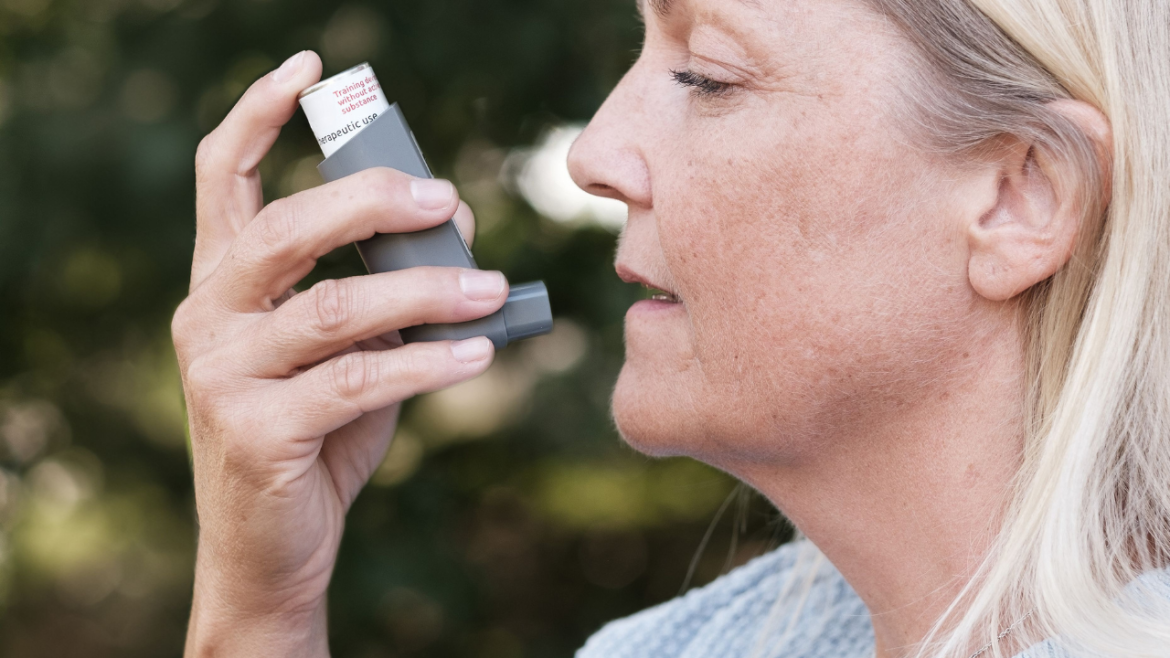
Asthma medications play a critical role in controlling symptoms and preventing serious breathing difficulties. Seniors often rely on inhalers, nebulizers, or other prescribed treatments to manage their condition effectively.
One challenge many older adults face involves using inhalers correctly. Arthritis, reduced hand strength, or cognitive changes may make proper inhaler technique more difficult. Even small mistakes can reduce medication effectiveness significantly.
Caregivers can help by ensuring medications are taken as prescribed and by reviewing inhaler techniques regularly. Healthcare providers and pharmacists can also provide valuable instruction and demonstrations when needed.
Consistent medication management often serves as the foundation for successful asthma control.
Creating a Healthier Home Environment
The home environment has a major influence on asthma symptoms. Since seniors often spend significant amounts of time indoors, improving indoor air quality can make a meaningful difference in respiratory health.
Regular cleaning helps reduce dust accumulation, while maintaining proper ventilation supports healthier air circulation. Air filters, humidity control, and minimizing exposure to strong odors can further improve breathing conditions.
Smoking should never occur inside the home, particularly when a senior has asthma. Even secondhand smoke can trigger severe symptoms and increase respiratory irritation.
Creating a clean and comfortable environment often helps seniors breathe more easily and feel more confident in their daily routines.
Encouraging Safe Physical Activity
Although asthma can make breathing more challenging, avoiding physical activity entirely is usually not the answer. In fact, regular exercise often supports lung health, cardiovascular function, and overall well-being when approached appropriately.
Many seniors benefit from gentle activities such as walking, stretching, swimming, or low-impact fitness programs. These exercises help maintain endurance and support healthy circulation without placing excessive strain on the respiratory system.
However, physical activity should always be tailored to the individual’s abilities and health status. Seniors should avoid pushing themselves beyond comfortable limits, especially during periods of poor air quality or extreme temperatures.
Finding the right balance allows older adults to remain active while protecting their respiratory health.
The Emotional Impact of Asthma
Living with asthma can create emotional challenges that are often overlooked. Difficulty breathing naturally causes anxiety because it affects one of the body’s most basic and essential functions.
Seniors may worry about experiencing asthma attacks while alone or during activities away from home. These concerns can lead to reduced confidence, social withdrawal, or avoidance of situations they once enjoyed.
Family members and caregivers can provide reassurance by helping seniors develop action plans and maintain access to necessary medications. Knowing that support is available often reduces fear and promotes greater peace of mind.
Emotional well-being is an important part of asthma management and should never be ignored.
Preparing for Asthma Emergencies
While many asthma symptoms remain manageable with routine care, it is important to be prepared for emergencies. Severe asthma attacks can develop quickly and may require immediate medical attention.
Seniors and caregivers should understand warning signs such as severe shortness of breath, difficulty speaking, bluish lips or fingernails, and symptoms that do not improve with prescribed medications.
Having an asthma action plan in place helps ensure that everyone knows how to respond during a crisis. This preparation reduces panic and encourages faster intervention when necessary.
Being prepared often provides reassurance even when emergencies never occur.
Working Closely With Healthcare Providers
Regular communication with healthcare professionals is one of the most effective ways to support seniors with asthma. Medical needs often change over time, and treatment plans may require adjustments as health conditions evolve.
Routine checkups allow providers to monitor symptoms, review medications, and identify potential concerns before they become serious problems. These appointments also create opportunities to discuss lifestyle changes, trigger management, and overall respiratory health.
Families who stay involved in medical care often help seniors achieve better outcomes and maintain greater control over their condition.
Helping Seniors Breathe Easier Every Day
Understanding how to help seniors who have asthma involves much more than responding to symptoms when they occur. It requires a comprehensive approach that includes medication support, trigger reduction, emotional reassurance, and ongoing communication with healthcare professionals.
By creating a supportive environment and encouraging healthy habits, caregivers and loved ones can help seniors manage asthma more effectively while preserving independence and quality of life. Small efforts often lead to meaningful improvements in comfort and confidence.
In the end, helping a senior with asthma means helping them breathe easier, feel safer, and continue enjoying the activities and relationships that bring meaning to their lives. Through patience, awareness, and compassionate care, asthma can become a manageable part of healthy aging rather than a constant source of fear or limitation.