
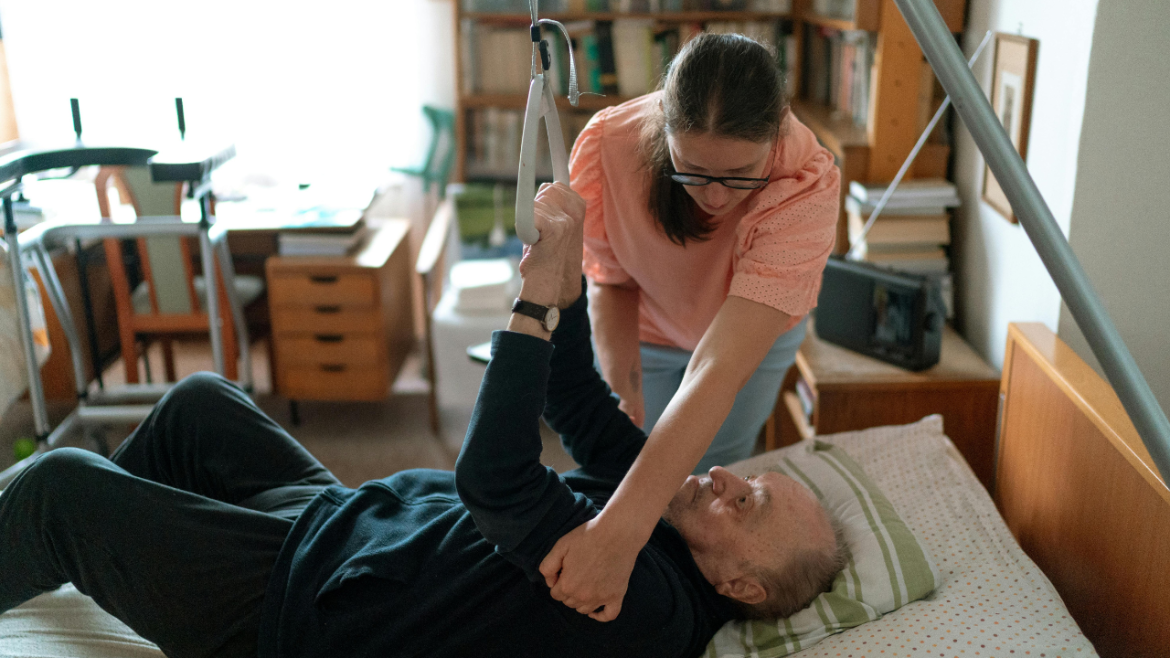
What Are The Different Types Of Hoyer Slings
When seniors experience severe mobility limitations, transferring safely from a bed, wheelchair, chair, or bathroom area can become physically difficult and emotionally stressful for both the individual and the caregiver. Hoyer lifts are designed to make these movements safer and more supportive, yet the sling attached to the lift plays an equally important role in overall comfort and security. Different types of Hoyer slings exist because every senior has unique physical needs, mobility challenges, and caregiving requirements.
Understanding what the different types of Hoyer slings are begins with recognizing that the sling directly supports the body during transfers. Choosing the proper sling helps improve safety, reduce discomfort, and preserve dignity throughout the lifting process.
For many families and caregivers, learning about sling options helps create a more comfortable and reassuring caregiving experience while reducing the physical strain involved in daily transfers.
Full-Body Slings and Maximum Support
One of the most commonly used Hoyer slings is the full-body sling. This type of sling provides extensive support across the back, hips, and legs, making it especially helpful for seniors with limited trunk control or severe weakness.
Full-body slings are often used for individuals who cannot support themselves while sitting upright or assisting with transfers. The sling cradles the body securely, helping reduce the risk of slipping or instability during movement.
For many seniors, this design creates a greater sense of security because the body feels fully supported throughout the transfer process. Caregivers also often feel more confident using full-body slings when handling individuals with complex mobility needs.
These slings are frequently used in home care settings, hospitals, and long-term care environments because of their versatility and stability.
Toileting Slings and Increased Accessibility
Toileting slings are designed specifically to assist with bathroom transfers while allowing easier access for clothing adjustments and hygiene care. Unlike full-body slings, toileting slings leave more of the lower body accessible during use.
These slings often provide support around the torso and under the thighs while leaving openings that simplify toileting tasks. Seniors who still have moderate upper body strength and head control may benefit most from this style.
Because toileting slings require greater stability from the individual, they are not always appropriate for seniors with severe weakness or poor trunk control. However, when used properly, they can help preserve dignity and simplify daily hygiene routines significantly.
This added accessibility often makes bathroom transfers feel less stressful for both seniors and caregivers.
Mesh Slings for Bathing and Shower Use
Bathing and personal hygiene routines often require specialized equipment that can tolerate water exposure safely. Mesh slings are specifically designed for showering and bathing because the material dries quickly and allows water to pass through easily.
These slings help reduce discomfort during bathing transfers by preventing water from pooling within the fabric. Seniors who require complete assistance with showering often benefit from the comfort and practicality of mesh materials.
In addition to being functional, mesh slings also help simplify cleaning and maintenance for caregivers. The lightweight design often feels less restrictive during transfers as well.
Maintaining hygiene safely and comfortably remains an essential part of preserving dignity and quality of life for seniors with limited mobility.
Padded Slings for Added Comfort
Some seniors experience fragile skin, pressure sensitivity, or discomfort during transfers, which is why padded slings are often recommended for additional support and cushioning. These slings include extra padding around key pressure areas to improve overall comfort.
For individuals who spend long periods sitting or who have chronic pain conditions, padded slings may reduce irritation and create a gentler transfer experience. Seniors with thinner skin or pressure sore concerns may especially benefit from the softer support.
The emotional impact of comfort should not be underestimated. Transfers often feel less intimidating when the equipment itself feels gentle and supportive rather than stiff or uncomfortable.
Comfort-focused equipment can significantly improve the overall caregiving experience for both seniors and caregivers.
Standing Slings for Partial Weight-Bearing Support
Standing slings are designed for seniors who still have some ability to bear weight and participate during transfers. These slings are commonly used with sit-to-stand lifts rather than traditional full-body Hoyer lifts.
Unlike full-body slings, standing slings focus support around the torso while encouraging the senior to assist with standing movements. This design promotes mobility and muscle engagement while still providing stability and safety.
Standing slings may help seniors maintain a greater sense of independence because they remain actively involved in the transfer process. However, they are only appropriate for individuals with sufficient strength and balance to participate safely.
Healthcare professionals often evaluate mobility carefully before recommending this type of sling.
Choosing the Right Sling for Individual Needs
Selecting the correct Hoyer sling depends on several important factors, including mobility level, physical strength, medical conditions, and personal comfort. A sling that works well for one senior may not provide the proper support for another.
Caregivers should consider whether the senior can support their head, maintain sitting balance, or assist during transfers. Skin sensitivity, weight distribution, and toileting needs also influence which sling type will provide the safest and most comfortable experience.
Professional guidance from physical therapists, occupational therapists, or healthcare providers often helps families make informed decisions about appropriate equipment.
Choosing the correct sling improves safety while reducing emotional stress surrounding transfers.
The Emotional Side of Assisted Transfers
For many seniors, needing assistance with transfers can feel emotionally vulnerable. The use of Hoyer lifts and slings may initially create feelings of embarrassment, frustration, or sadness because mobility limitations often affect independence deeply.
Caregivers who approach transfers with patience, calm communication, and respect help reduce emotional discomfort significantly. Explaining the process clearly and maintaining dignity throughout each transfer creates greater reassurance and trust.
When seniors feel physically secure and emotionally respected, the experience often becomes less intimidating over time.
The right sling not only supports the body. It also supports emotional comfort and confidence during daily care routines.
Maintaining Sling Safety and Proper Use
Proper sling maintenance is essential for ensuring long-term safety. Slings should be inspected regularly for tears, worn stitching, or damaged straps that could compromise stability during transfers.
Using the correct size and weight capacity is equally important because improper fit may increase the risk of discomfort or accidents. Caregivers should always follow manufacturer guidelines and receive proper training before operating lift equipment.
Safe transfers rely on both the quality of the sling and the confidence of the caregiver using it.
Moving Forward with Greater Comfort and Support
Understanding the different types of Hoyer slings helps families and caregivers provide safer, more compassionate support for seniors facing mobility challenges. Each sling is designed to meet specific physical and caregiving needs, whether the goal is full-body support, easier toileting access, bathing assistance, or improved comfort.
By choosing the right sling carefully and using it properly, caregivers can reduce physical strain while helping seniors feel more secure and respected during transfers.
In the end, Hoyer slings are about far more than equipment alone. They represent safety, dignity, comfort, and the ability to provide compassionate care during one of the most physically vulnerable stages of life.