
How To Help Seniors Through Chemotherapy
When a senior begins chemotherapy, the experience often brings a mixture of fear, uncertainty, and emotional exhaustion that can affect both the individual and the people who care about them. Cancer treatment is not simply a medical process. It becomes a deeply personal journey that challenges physical strength, emotional resilience, and daily routines in ways that can feel overwhelming at times.
Helping seniors through chemotherapy begins with understanding that they are facing more than physical symptoms alone. Many seniors experience anxiety about treatment outcomes, frustration over changing energy levels, and sadness related to losing parts of their normal routine.
These emotions deserve just as much attention as the physical side effects of treatment. By approaching the experience with patience and compassion, caregivers and loved ones can create an environment where seniors feel supported rather than isolated during one of the most difficult periods of their lives.
How Chemotherapy Affects the Aging Body
Chemotherapy is designed to target cancer cells, yet it can also affect healthy cells throughout the body. For seniors, these effects may feel more intense because the body often takes longer to recover from physical stress as it ages.
Fatigue is one of the most common challenges. A senior who once maintained an active routine may suddenly feel exhausted after simple daily activities. This fatigue can be frustrating because it often limits independence and changes how a person experiences their day.
Nausea, appetite changes, and weakness may also occur, making proper nutrition and hydration more difficult to maintain. In addition, treatment can weaken the immune system, leaving seniors more vulnerable to illness and infection.
Understanding these changes helps caregivers respond with greater empathy and patience, recognizing that even small tasks may require significant effort during treatment.
The Importance of Emotional Support
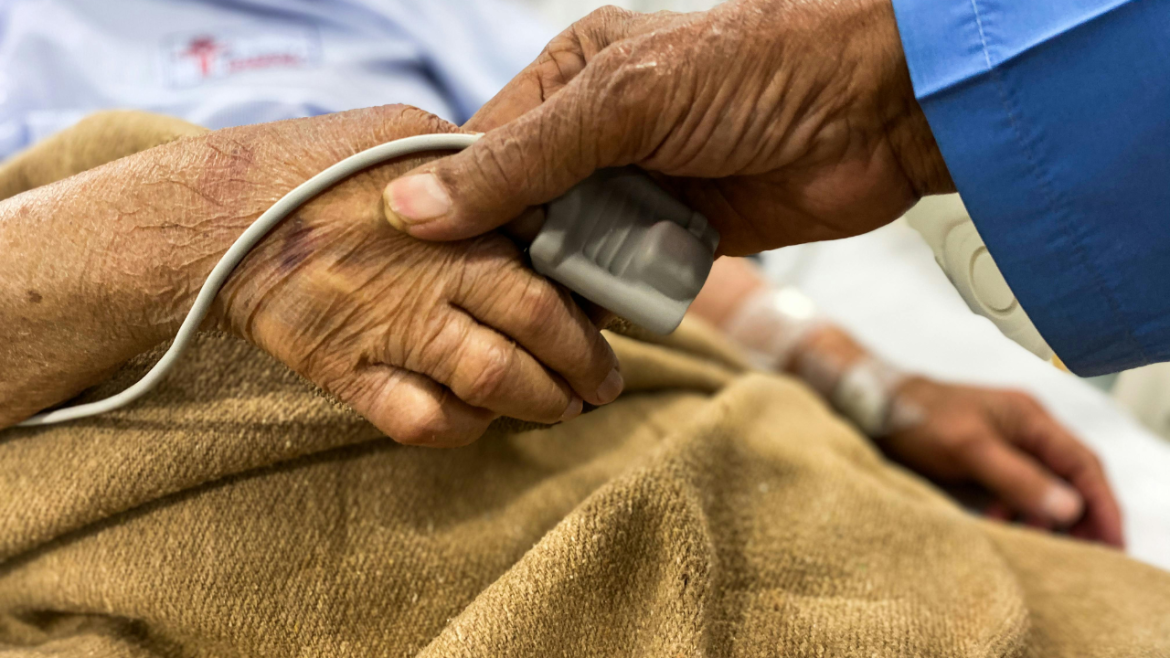
One of the most meaningful ways to help a senior through chemotherapy is by providing consistent emotional support. The experience can feel lonely at times, especially when physical symptoms make social interaction more difficult.
Listening without judgment allows seniors to express fears and frustrations openly. Sometimes they may want reassurance, while other times they simply need someone to sit beside them and acknowledge what they are going through.
Small moments of connection can have a powerful impact. A calm conversation, shared meal, or quiet companionship often provides more comfort than trying to solve every problem immediately.
Emotional support helps seniors feel less alone, reminding them that they are still surrounded by people who care deeply about their well-being.
Encouraging Proper Nutrition and Hydration
Nutrition plays an important role during chemotherapy, yet maintaining healthy eating habits can become difficult when treatment affects appetite or causes nausea. Seniors may feel discouraged when foods they once enjoyed suddenly seem unappealing.
Providing smaller, nutrient-rich meals throughout the day can feel more manageable than expecting large meals at once. Soft textures, mild flavors, and familiar foods often help reduce discomfort and encourage eating.
Hydration is equally important. Drinking enough fluids supports the body during treatment and helps reduce some side effects associated with chemotherapy.
Caregivers should approach meals with flexibility and patience. The goal is nourishment and comfort rather than perfection. Encouragement without pressure creates a more positive and supportive experience around eating.
Supporting Rest While Encouraging Gentle Activity
Chemotherapy often causes significant fatigue, making rest essential for recovery and emotional balance. Seniors may need more sleep or quiet time than usual as their body responds to treatment.
At the same time, complete inactivity can sometimes contribute to stiffness, weakness, and emotional decline. Gentle movement, when approved by healthcare providers, may help improve circulation and mood.
Short walks, light stretching, or simply sitting outside for fresh air can provide both physical and emotional benefits. These moments of activity should always be approached carefully and at a pace that feels comfortable.
Balancing rest with gentle movement helps seniors maintain a sense of routine while supporting their overall well-being during treatment.
Creating a Comfortable and Calm Environment
The environment around a senior can greatly influence how they feel during chemotherapy. A calm, clean, and supportive space helps reduce stress and creates a sense of safety.
Comfortable seating, soft lighting, and access to personal items can make daily life feel more manageable. Keeping the environment organized also reduces unnecessary strain when energy levels are low.
Because chemotherapy may weaken the immune system, maintaining cleanliness becomes especially important. Limiting exposure to illness while ensuring the senior still feels socially connected helps create a healthier balance.
These thoughtful adjustments may seem simple, yet they often provide meaningful comfort during a physically demanding time.
Helping Seniors Maintain Their Sense of Identity
One of the emotional challenges of chemotherapy is that seniors may begin to feel as though their illness is defining their entire identity. Frequent appointments, physical changes, and constant discussions about treatment can make it difficult to focus on anything else.
Caregivers can help by continuing to engage seniors in activities and conversations unrelated to their diagnosis. Watching favorite movies, discussing family memories, or participating in hobbies helps preserve a sense of normalcy.
Encouraging moments of joy and familiarity reminds seniors that they are still themselves beyond the treatment process. This emotional connection can strengthen resilience and improve overall outlook.
Maintaining dignity and independence whenever possible also plays an important role in preserving self-esteem during treatment.
The Importance of Communication with Healthcare Providers
Open communication with healthcare professionals is essential during chemotherapy. Seniors and caregivers should feel comfortable discussing symptoms, side effects, and emotional concerns as they arise.
Healthcare providers can offer guidance on pain management, nutrition, fatigue, and emotional support services that improve quality of life throughout treatment.
Caregivers who stay informed and involved help seniors feel more secure during medical appointments and treatment decisions. This teamwork creates a stronger support system that benefits everyone involved.
Moving Forward with Compassion and Strength
Helping seniors through chemotherapy involves more than managing physical side effects. It requires emotional understanding, patience, and a commitment to preserving comfort and dignity throughout the treatment journey.
By providing reassurance, supporting proper nutrition, encouraging rest, and maintaining meaningful connection, caregivers can help seniors navigate chemotherapy with greater confidence and emotional strength.
There will be difficult days, yet there can also be moments of hope, resilience, and closeness that strengthen relationships in meaningful ways. Every act of care, no matter how small, contributes to helping seniors feel valued and supported during one of the most challenging experiences of their lives.
In the end, compassionate support reminds seniors that they are not facing chemotherapy alone. They are surrounded by people who are willing to walk beside them through every step of the journey.