
What Is The APOE ε4 Gene?
As conversations around aging and memory continue to grow, many families find themselves searching for answers that help explain why certain individuals face a higher risk of cognitive decline than others. Genetics often becomes part of that conversation, offering insight into how the body and brain may change over time. Among the genetic factors that have gained attention, the APOE ε4 gene is one of the most widely discussed.
Understanding what the APOE ε4 gene is begins with recognizing that genes act as instructions within the body. They influence how cells function, how the brain processes information, and how the body responds to various changes. While genetics does not determine everything, it can provide clues about potential risks and tendencies.
This knowledge can feel both empowering and overwhelming. For many, it raises questions about the future while also offering an opportunity to approach health with greater awareness.
What the APOE ε4 Gene Represents
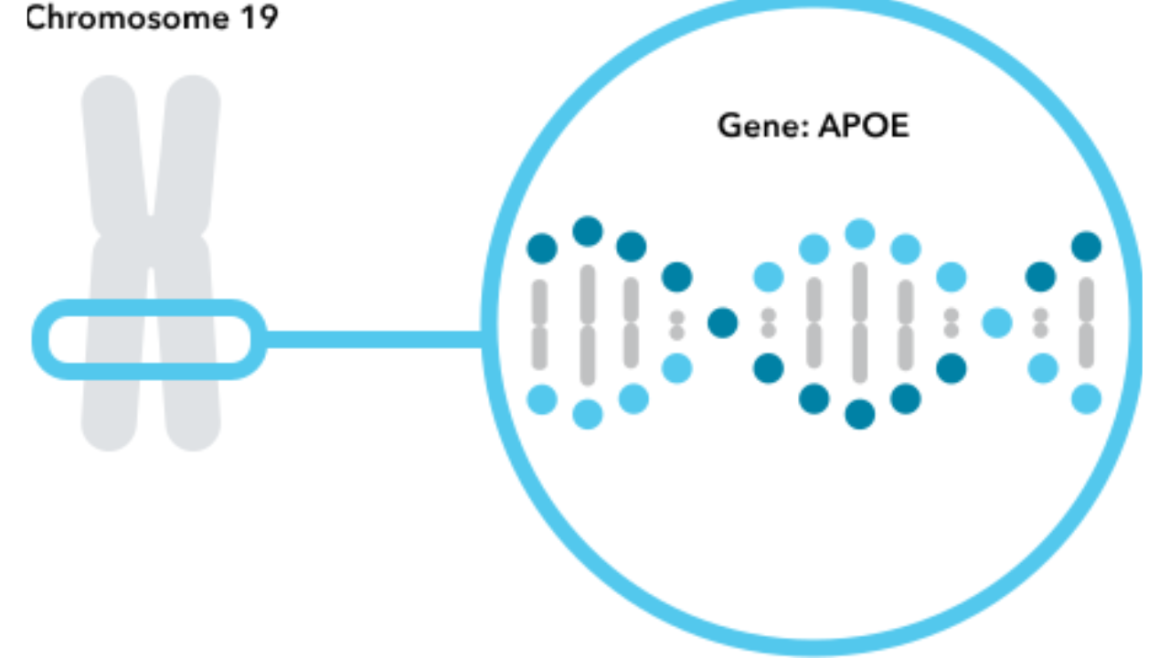
The APOE gene, which stands for apolipoprotein E, plays an important role in how the body processes fats and cholesterol. It helps transport lipids in the bloodstream, supporting functions that are essential for maintaining healthy cells, including those in the brain.
There are several variations of this gene, often referred to as alleles. The ε4 variant is one of these forms, and it has been associated with an increased risk of developing certain cognitive conditions, including Alzheimer’s disease.
It is important to understand that having the APOE ε4 gene does not guarantee that someone will develop Alzheimer’s or any other condition. Instead, it indicates a higher level of risk compared to those who do not carry this variant.
This distinction is crucial, because it shifts the conversation from certainty to probability, allowing individuals to focus on what can be influenced rather than what cannot.
How APOE ε4 Affects the Brain
The presence of the APOE ε4 gene can influence how the brain manages and repairs itself over time. Research suggests that this gene may affect the way the brain clears certain proteins, including those that can accumulate and disrupt normal function.
These changes may occur gradually, often without noticeable symptoms in the early stages. Over time, however, they can contribute to the development of cognitive challenges that affect memory, thinking, and behavior.
For individuals who carry this gene, the brain may respond differently to stress, inflammation, and other factors that influence overall health. These differences can shape how the brain ages and how it adapts to changes.
Understanding this process helps explain why the APOE ε4 gene is considered a significant factor in discussions about brain health.
The Emotional Impact of Genetic Knowledge
Learning about genetic risk can bring a range of emotions. For some, it provides clarity and a sense of direction, while for others, it may create चिंता or uncertainty about what lies ahead. These feelings are natural, especially when the information relates to something as personal as cognitive health.
Seniors and their families may find themselves reflecting on the future in new ways. Questions about memory, independence, and quality of life may become more present, leading to deeper conversations about care and planning.
At the same time, this knowledge can foster a sense of empowerment. Understanding risk allows individuals to take proactive steps, focusing on lifestyle choices that support overall well-being.
Balancing these emotions requires compassion and open communication. It is important to approach the topic with sensitivity, recognizing that each person’s experience is unique.
Lifestyle Factors That Influence Risk
While genetics play a role in shaping risk, they are only one part of a larger picture. Lifestyle factors have a significant impact on brain health, offering opportunities to support cognitive function regardless of genetic background.
Engaging in regular physical activity helps improve blood flow to the brain, supporting its ability to function effectively. Mental stimulation, through activities such as reading or problem-solving, encourages the brain to remain active and adaptable.
Nutrition also plays a role, as a balanced diet supports overall health and helps the body manage inflammation. Social connection, which provides emotional support and engagement, further contributes to cognitive resilience.
For individuals with the APOE ε4 gene, these factors become especially important. They represent areas where positive choices can make a meaningful difference.
The Importance of Early Awareness
Awareness of genetic risk allows individuals and families to approach aging with intention. It creates an opportunity to focus on prevention and early intervention, rather than waiting for symptoms to appear.
Regular health checkups and discussions with healthcare providers can help monitor changes and provide guidance tailored to individual needs. These conversations create a proactive approach that supports long-term well-being.
Early awareness also encourages planning. Families can have open discussions about preferences, support systems, and future care, creating a sense of preparedness that reduces uncertainty.
This proactive mindset transforms knowledge into action, helping individuals feel more in control of their health journey.
Supporting Seniors with Compassion and Understanding
When a senior is aware of their genetic risk, emotional support becomes just as important as physical care. Conversations about memory and aging can be sensitive, requiring patience and empathy from those involved.
Providing reassurance helps reduce fear and fosters a sense of security. It is important to focus on what can be done, rather than what cannot be changed.
Encouraging meaningful activities, maintaining routines, and supporting independence all contribute to a positive outlook. These actions reinforce the idea that life continues to hold value and purpose.
Families who approach this journey together create a supportive environment that strengthens emotional resilience.
Moving Forward with Knowledge and Hope
Understanding what the APOE ε4 gene is provides valuable insight into how genetics can influence brain health, yet it also highlights the importance of perspective. While the gene is associated with increased risk, it does not define an individual’s future.
With awareness, proactive care, and a focus on overall well-being, seniors can continue to live fulfilling and meaningful lives. The combination of knowledge and action creates a path forward that is grounded in both realism and hope.
In the end, the goal is not to dwell on risk but to embrace the opportunities for care, connection, and growth that remain present at every stage of life.