
What Is A Slide Board For Seniors?
When mobility becomes limited, even small movements can begin to feel overwhelming, especially for seniors who once moved freely and independently throughout their daily routines. In these moments, assistive tools can make a meaningful difference, not only in physical safety but also in restoring confidence. One such tool that is often introduced during this stage is the slide board.
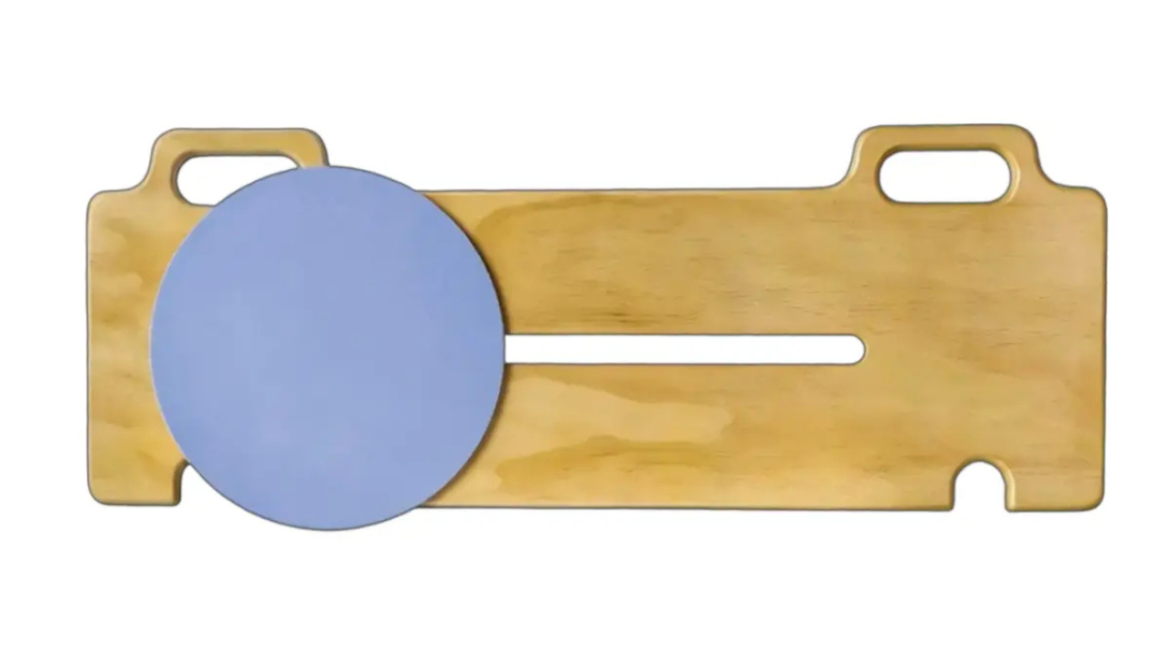
Understanding what a slide board for seniors is begins with recognizing its purpose. A slide board, sometimes referred to as a transfer board, is a flat and sturdy surface designed to help individuals move from one place to another while remaining seated. It creates a bridge between two surfaces, such as a bed and a wheelchair, allowing the person to slide across with support.
This simple yet effective design transforms what could be a physically demanding transfer into a smoother and more controlled experience.
Why Transfers Become More Difficult Over Time
As the body ages, changes in strength, balance, and coordination can make transfers more challenging than they once were. Standing up, pivoting, or shifting weight may require more effort, and the risk of losing balance can increase.
For seniors, these changes can create a sense of hesitation. Movements that once felt natural may now feel uncertain, leading to a fear of falling or experiencing discomfort. This fear can affect confidence and limit daily activity.
Caregivers also face challenges during transfers. Assisting someone safely often requires physical strength and careful positioning, which can be difficult to maintain over time.
A slide board helps address these challenges by providing a stable pathway for movement. It reduces the need for lifting and allows both the senior and the caregiver to focus on controlled motion rather than physical strain.
How a Slide Board Works in Practice
The functionality of a slide board is rooted in its simplicity. The board is placed between two surfaces, creating a secure connection that supports movement. One end of the board is positioned under the individual, while the other rests on the destination surface.
Once the board is in place, the senior uses their arms and upper body strength to shift their weight and slide across. Caregivers may provide guidance and support, ensuring that the movement remains steady and safe.
This sliding motion allows the individual to move without needing to stand fully, which reduces the risk of imbalance. The process becomes more manageable, especially for those with limited lower body strength.
With practice, the movement often becomes smoother and more familiar, helping to build confidence over time.
Supporting Independence and Confidence
One of the most meaningful benefits of a slide board is the sense of independence it can restore. For many seniors, the ability to participate in their own transfers is closely tied to how they view their autonomy.
Even when assistance is needed, being actively involved in the process can create a feeling of control. This involvement helps reduce frustration and reinforces the idea that they are still capable of managing aspects of their daily life.
Confidence often grows with repeated use. As seniors become more comfortable with the process, they may feel less anxious about movement and more willing to engage in activities that require transfers.
This renewed sense of confidence extends beyond physical movement, influencing emotional well-being and overall outlook.
Reducing Physical Strain for Caregivers
While the slide board provides support for seniors, it also offers significant benefits for caregivers. Assisting with transfers can place considerable strain on the body, particularly on the back and shoulders.
By using a slide board, the need for lifting is greatly reduced. Caregivers can guide the movement rather than relying on physical strength, which makes the process safer and more sustainable.
This reduction in strain allows caregivers to focus on providing attentive and supportive care. It also helps prevent injuries that can occur from repeated lifting over time.
When both the senior and the caregiver feel supported, the transfer process becomes more positive and less stressful for everyone involved.
Creating a Safe and Comfortable Environment
Using a slide board effectively requires attention to the surrounding environment. Ensuring that surfaces are stable and aligned helps create a secure pathway for movement.
The area should be free from obstacles, allowing for smooth transitions without interruption. Proper positioning of the board is essential, as it provides the foundation for a safe transfer.
Comfort also plays an important role. Adjusting seating positions and ensuring that the board is placed correctly helps prevent discomfort during the process.
Taking the time to prepare the environment reinforces safety and helps create a more relaxed experience.
Emotional Considerations During Transfers
Transfers can be emotionally sensitive moments, especially for seniors who may feel vulnerable or uncertain about their abilities. Being moved from one place to another can bring a sense of dependence that is difficult to process.
Approaching these moments with empathy and respect helps create a supportive atmosphere. Speaking calmly, offering reassurance, and allowing the senior to move at their own pace all contribute to a more positive experience.
Over time, familiarity with the slide board can reduce anxiety. What once felt intimidating may begin to feel routine, allowing seniors to approach transfers with greater ease.
This emotional support is just as important as the physical assistance provided by the device.
Moving Forward with Safety and Dignity
Understanding what a slide board for seniors is involves more than learning about its function. It is about recognizing how this simple tool can enhance safety, preserve dignity, and support independence in meaningful ways.
By providing a stable and controlled method for transfers, the slide board helps seniors maintain their mobility while reducing the risk of injury. It also allows caregivers to offer support in a way that is both effective and respectful.
In the end, the slide board represents a thoughtful approach to care. It acknowledges the challenges of aging while offering a solution that promotes comfort, confidence, and the ability to continue living with purpose and dignity.