
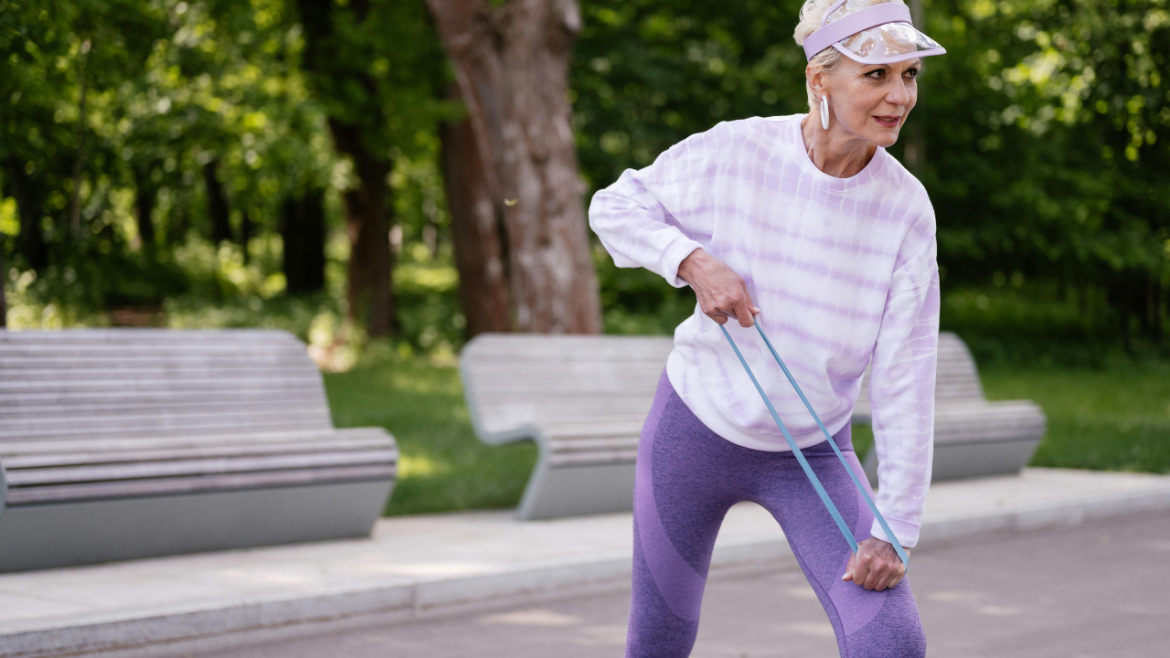
How Light Exercising Can Benefit Seniors In 2026
As we move further into 2026, the conversation around aging has begun to shift in meaningful ways, focusing less on limitation and more on longevity, quality of life, and daily vitality. For seniors, this shift highlights the importance of staying active in ways that feel manageable, sustainable, and empowering. Light exercising, in particular, has emerged as one of the most effective and accessible ways to support both physical and emotional well-being.
Unlike intense workouts that may feel overwhelming or unrealistic, light exercise offers a gentle approach to movement that aligns with the body’s changing needs. It meets seniors where they are, allowing them to engage in activity without unnecessary strain or pressure.
Understanding how light exercising can benefit seniors in 2026 reveals how small, consistent efforts can create lasting improvements in health, independence, and overall happiness.
Supporting Mobility and Physical Strength
One of the most noticeable benefits of light exercise is its ability to support mobility. As the body ages, joints may become stiffer and muscles may lose some of their strength, which can make everyday movements feel more challenging.
Gentle activities such as walking, stretching, or low-impact exercises help keep the body moving in a natural and fluid way. These movements encourage flexibility, allowing joints to maintain their range of motion while reducing the discomfort that can come with stiffness.
Over time, even light exercise contributes to improved muscle strength. This strength supports essential daily activities, such as standing up, sitting down, or moving from one place to another.
For seniors, maintaining mobility is closely tied to independence. The ability to move comfortably allows individuals to remain active participants in their own lives, which can have a profound impact on confidence and well-being.
Enhancing Balance and Reducing Fall Risk
Balance is another critical area where light exercise plays a valuable role. As individuals age, balance may become less stable, increasing the risk of falls and related injuries.
Engaging in gentle movement helps strengthen the muscles that support stability. It also improves coordination, allowing the body to respond more effectively to changes in position.
In 2026, there is a growing emphasis on preventative care, and balance-focused exercises are becoming an essential part of this approach. By incorporating simple movements that promote stability, seniors can reduce the likelihood of falls and feel more secure in their surroundings.
This increased sense of stability often leads to greater confidence, encouraging individuals to remain active rather than withdrawing from movement out of fear.
Boosting Mental and Emotional Well-Being
While the physical benefits of light exercise are important, the impact on mental and emotional health is equally significant. Movement has a natural ability to influence mood, helping to reduce feelings of stress, anxiety, and sadness.
When seniors engage in light exercise, the body releases chemicals that promote a sense of calm and well-being. This natural response can create a noticeable shift in mood, making it easier to navigate the emotional challenges that sometimes accompany aging.
In addition, exercise provides a sense of accomplishment. Even small efforts, such as completing a short walk or a simple stretching routine, can create a feeling of progress and purpose.
As these positive experiences accumulate, they contribute to a more optimistic outlook on daily life.
Encouraging Social Connection and Engagement
In today’s evolving landscape, light exercise is often integrated into social activities that bring people together. Group walks, community fitness classes, and shared movement routines create opportunities for connection and interaction.
For seniors, these social elements are incredibly valuable. They provide a sense of belonging and reduce feelings of isolation, which can be especially important during times of change.
Participating in group activities also adds an element of enjoyment to exercise. Movement becomes something to look forward to rather than something that feels like an obligation.
These shared experiences strengthen relationships and create moments of joy that extend beyond the physical activity itself.
Adapting to Individual Needs and Abilities
One of the greatest advantages of light exercise is its adaptability. It can be tailored to meet the unique needs and abilities of each individual, making it accessible to a wide range of seniors.
Whether someone prefers a slow walk in a quiet setting or gentle movements at home, the focus remains on consistency rather than intensity. This flexibility allows seniors to engage in activity that feels comfortable and sustainable.
In 2026, there is a greater awareness of personalized care, and this approach extends to physical activity. Seniors are encouraged to listen to their bodies and adjust their routines accordingly.
This personalized approach helps ensure that exercise remains a positive and supportive part of daily life.
Building Confidence Through Consistency
Consistency is one of the most powerful aspects of light exercise. When seniors engage in regular movement, even in small amounts, they begin to notice gradual improvements in how their bodies feel and function.
These improvements build confidence. Tasks that once felt difficult may become easier, and movement that once felt uncertain may begin to feel more natural.
This sense of progress reinforces the value of staying active. It encourages seniors to continue their routines, creating a cycle of positive reinforcement that supports long-term well-being.
Over time, this consistency becomes a foundation for maintaining both physical and emotional health.
Moving Forward with Strength and Vitality
Understanding how light exercising can benefit seniors in 2026 highlights the importance of embracing movement as a lifelong practice. It is not about achieving perfection or pushing beyond limits. It is about finding a rhythm that supports the body and mind in a gentle yet meaningful way.
Through improved mobility, enhanced balance, emotional well-being, and social connection, light exercise offers a pathway to a more active and fulfilling life. It empowers seniors to remain engaged, confident, and connected to the world around them.
As the perspective on aging continues to evolve, light exercise stands as a reminder that vitality does not fade with time. Instead, it can be nurtured through simple, consistent actions that honor the body’s needs and celebrate its resilience.
In this way, movement becomes more than an activity. It becomes a source of strength, comfort, and possibility for every stage of life.