
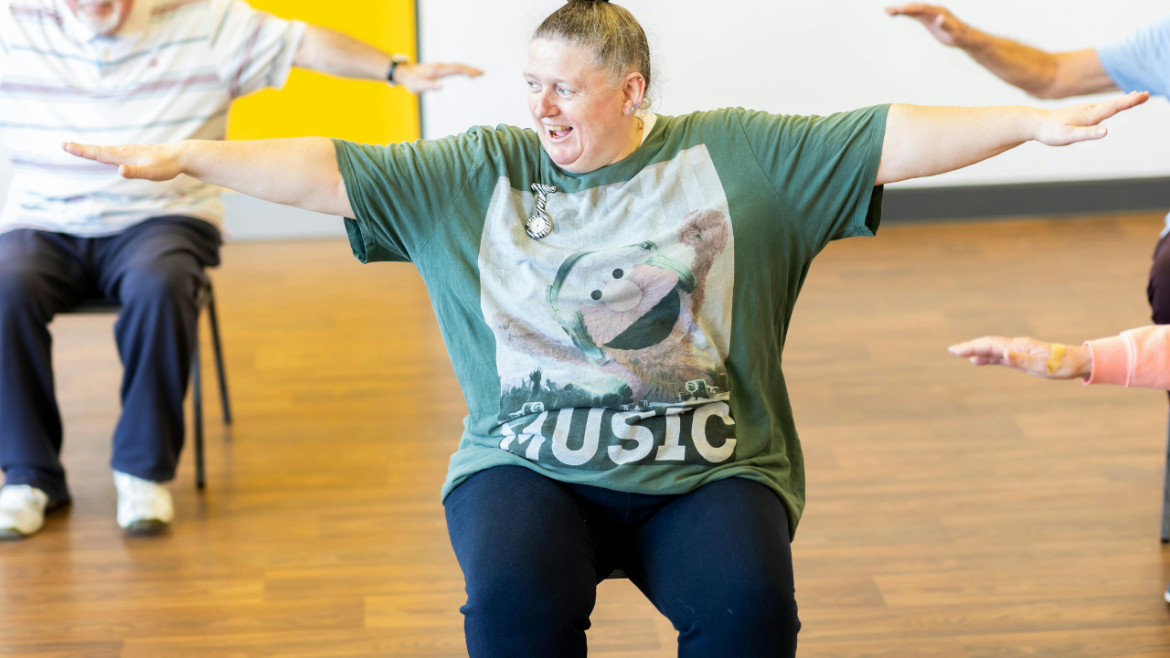
Helping Seniors With Range Of Motion Exercises
As the body ages, movement can gradually become more limited, often in ways that feel subtle at first but increasingly noticeable over time. For seniors, maintaining flexibility and mobility is not simply about comfort. It is closely tied to independence, confidence, and the ability to engage with everyday life in meaningful ways. This is where range of motion exercises become an essential part of care.
Helping seniors with range of motion exercises involves more than guiding physical movement. It is about supporting the body in staying active while also preserving dignity and encouraging a sense of control. These exercises focus on gently moving joints through their natural range, helping maintain flexibility and reduce stiffness.
When performed consistently and with care, range of motion exercises can make daily activities feel more manageable. They also create opportunities for connection, as caregivers and seniors work together toward a shared goal of well-being.
How Mobility Changes with Age
Over time, muscles may lose strength, joints may become less flexible, and connective tissues may tighten, all of which contribute to reduced mobility. These changes can affect how seniors move, making simple actions such as reaching, bending, or turning feel more difficult than they once did.
In some cases, limited mobility may be linked to health conditions that affect joints or muscles. Pain, inflammation, or prolonged inactivity can further restrict movement, creating a cycle where less movement leads to even greater stiffness.
Understanding these changes helps caregivers approach range of motion exercises with patience and awareness. Rather than expecting immediate improvement, the focus shifts to gradual progress and consistent support.
This approach creates a foundation for safe and effective movement.
The Physical Benefits of Gentle Movement
Range of motion exercises offer a variety of physical benefits that support overall health. By moving joints regularly, these exercises help maintain flexibility and prevent stiffness from becoming more severe.
Improved circulation is another important benefit. Gentle movement encourages blood flow, which helps deliver oxygen and nutrients to muscles and tissues. This process supports healing and contributes to a sense of physical comfort.
In addition, these exercises can help reduce the risk of injury. When joints remain flexible and muscles stay engaged, the body is better prepared to handle daily movements without strain.
For seniors, these benefits translate into greater ease when performing everyday tasks, which reinforces independence and confidence.
Creating a Comfortable and Supportive Environment
The environment in which range of motion exercises take place plays a significant role in their effectiveness. A calm and comfortable setting helps seniors feel at ease, which encourages participation and reduces resistance.
Proper positioning is essential. Whether seated or lying down, the body should be supported in a way that allows for smooth and controlled movement. Cushions or supportive surfaces can enhance comfort and stability.
Temperature also matters. A warm environment can help muscles relax, making movement easier and more comfortable. When the body feels at ease, it becomes more receptive to gentle exercise.
Creating this supportive environment sets the stage for a positive experience.
The Role of Patience and Communication
Helping seniors with range of motion exercises requires patience and clear communication. Each movement should be introduced gently, allowing the individual to understand what is happening and feel comfortable with the process.
Explaining each step helps reduce uncertainty. Seniors are more likely to participate when they feel informed and included. This sense of involvement reinforces trust and encourages cooperation.
Listening is equally important. Paying attention to feedback, whether verbal or nonverbal, allows caregivers to adjust movements based on comfort levels. If a movement causes discomfort, it should be modified or paused.
This open communication creates a collaborative experience that prioritizes safety and respect.
Supporting Emotional Well-Being Through Movement
While the physical benefits of range of motion exercises are significant, the emotional impact should not be overlooked. Movement can influence how seniors feel about themselves and their abilities.
When seniors engage in these exercises, they often experience a sense of accomplishment. Even small improvements can create a feeling of progress, which contributes to a more positive outlook.
In addition, the interaction between caregiver and senior during these exercises provides an opportunity for connection. These moments of shared effort can strengthen relationships and create a sense of support.
For seniors who may feel limited by their mobility, these experiences offer reassurance that they are still capable of growth and movement.
Building Consistency and Routine
Consistency is a key factor in the effectiveness of range of motion exercises. Performing these movements regularly helps maintain flexibility and prevents stiffness from returning.
Incorporating exercises into a daily routine makes them easier to sustain. When they become part of a predictable schedule, they feel less like a task and more like a natural part of the day.
Caregivers can support this process by creating a routine that fits comfortably within the senior’s lifestyle. This approach ensures that exercises remain manageable and enjoyable.
Over time, this consistency leads to gradual improvements that enhance overall mobility and comfort.
Adapting to Individual Needs
Every senior has unique needs and abilities, which makes personalization an important aspect of range of motion exercises. Movements should be adapted to match the individual’s level of comfort and physical condition.
Some seniors may be able to perform exercises independently, while others may require assistance. In both cases, the goal remains the same: to support movement in a way that feels safe and effective.
Adjusting the pace, range, and intensity of exercises ensures that they remain beneficial without causing strain. This flexibility allows caregivers to provide support that evolves with the individual’s needs.
By focusing on personalization, range of motion exercises become a tailored experience that respects each person’s abilities.
Moving Forward with Care and Compassion
Helping seniors with range of motion exercises is about more than maintaining flexibility. It is about supporting a quality of life that includes movement, independence, and connection.
Through patience, consistency, and thoughtful care, these exercises can become a meaningful part of daily life. They provide both physical and emotional benefits that contribute to overall well-being.
In the end, the goal is not perfection. It is progress. By approaching each movement with compassion and understanding, caregivers can help seniors continue to experience the comfort and confidence that come from staying active.
This journey of movement, no matter how gentle, reflects a commitment to dignity, health, and the enduring ability to keep moving forward.