
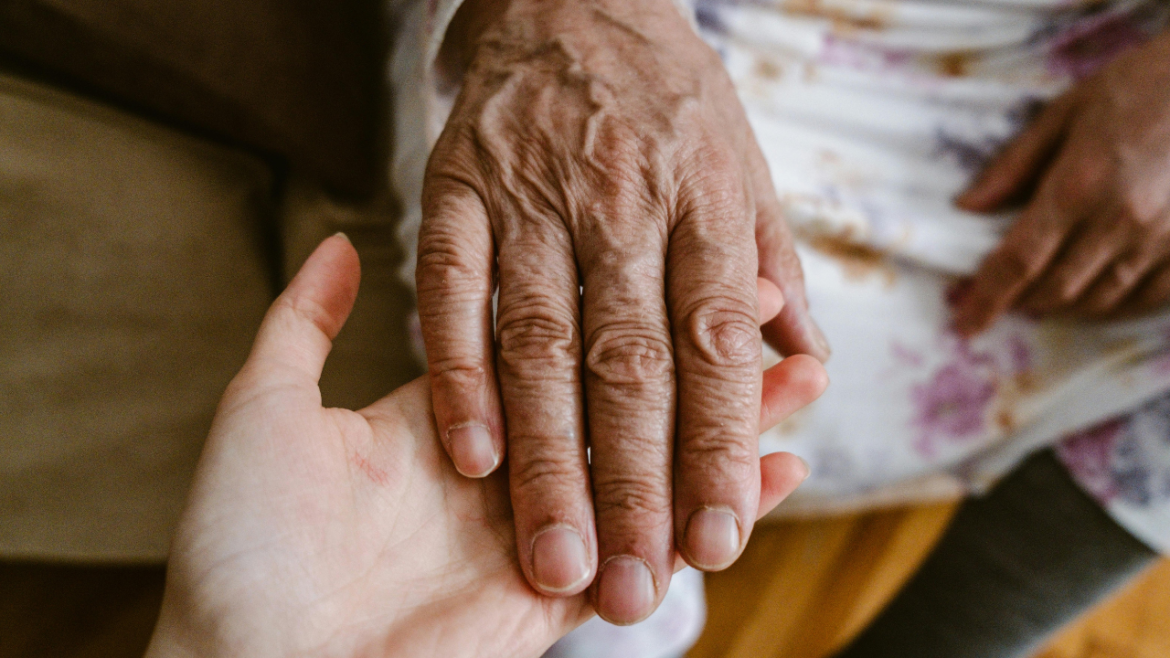
Compulsive Skin Picking In The Elderly
Compulsive skin picking in the elderly is a condition that often goes unnoticed or misunderstood, yet it can significantly affect both physical health and emotional well-being. While it may appear as a simple habit on the surface, it is often much more complex, involving underlying emotional, neurological, or medical factors that deserve attention and care.
For many seniors, this behavior may develop gradually. It can begin as occasional picking at dry skin or minor irritations, yet over time, it may become repetitive and difficult to control. As the behavior continues, it can lead to skin damage, discomfort, and a sense of frustration that feels hard to explain.
Understanding this condition is the first step toward providing meaningful support. When families and caregivers recognize that compulsive skin picking is not simply a choice, but rather a response to deeper factors, they can approach it with empathy and patience.
Why This Behavior Develops
There are several reasons why compulsive skin picking may develop in older adults, and these causes often overlap in ways that make the condition more complex. Emotional factors play a significant role, particularly in seniors who may be experiencing anxiety, loneliness, or changes in their daily routines.
When the mind feels overwhelmed or restless, repetitive behaviors can provide a temporary sense of relief or control. Picking at the skin may become a way to cope with these feelings, even if it leads to discomfort later.
In addition to emotional factors, certain medical conditions can contribute to this behavior. Skin that becomes dry, itchy, or sensitive with age may draw attention, leading to increased touching or picking. Over time, this interaction can become habitual.
Neurological changes may also play a role. Conditions that affect cognitive function or impulse control can make it more difficult for individuals to recognize and stop repetitive behaviors.
By understanding these underlying causes, caregivers can better support seniors in addressing the root of the issue rather than focusing solely on the behavior itself.
Recognizing the Physical Signs
The physical signs of compulsive skin picking can vary depending on the severity and duration of the behavior. In many cases, small sores, scabs, or areas of irritation may appear on the skin, particularly in easily accessible areas such as the arms, face, or legs.
These areas may show signs of repeated picking, including redness, delayed healing, or even minor infections. Over time, the skin may become more sensitive, which can create a cycle where discomfort leads to further picking.
For seniors, healing may take longer due to changes in skin elasticity and circulation. This can make the effects of picking more noticeable and more difficult to manage.
Observing these signs with care and without judgment allows caregivers to identify patterns and provide appropriate support.
The Emotional Impact on Seniors
While the physical effects of skin picking are visible, the emotional impact is often less apparent but equally important. Seniors who struggle with this behavior may feel embarrassed, frustrated, or even ashamed, especially if they are aware of the habit but feel unable to control it.
This internal conflict can create a sense of isolation. Individuals may avoid discussing the issue or hide affected areas, which can make it harder for others to offer help.
In some cases, the behavior may increase during moments of stress or boredom, reinforcing the connection between emotional state and physical action. This cycle can feel difficult to break without support.
Approaching the situation with understanding rather than criticism helps reduce these feelings. When seniors feel accepted and supported, they are more likely to engage in solutions.
Creating a Supportive Environment
Addressing compulsive skin picking in the elderly requires a supportive environment that promotes both physical comfort and emotional well-being. Simple changes can make a meaningful difference in reducing triggers and encouraging healthier habits.
Maintaining skin health is an important step. Regular moisturizing can help reduce dryness and irritation, which may decrease the urge to pick. Keeping nails trimmed and hands occupied with other activities can also help redirect attention.
Providing engaging activities can reduce boredom and create positive outlets for energy and focus. Whether through hobbies, conversation, or gentle movement, these activities help shift attention away from repetitive behaviors.
Equally important is creating an environment where seniors feel comfortable discussing their experiences. Open communication fosters trust and allows for collaborative problem-solving.
Encouraging Gentle Awareness and Redirection
Helping a senior become aware of their behavior is a delicate process that requires patience and sensitivity. Rather than pointing out the behavior in a critical way, gentle reminders can help bring attention to the action without causing distress.
Encouraging alternative actions, such as holding a soft object or engaging in a calming activity, provides a way to redirect the urge in a positive direction. Over time, these small changes can help reduce the frequency of picking.
Consistency is key. Repeated encouragement and support help reinforce new habits while maintaining a sense of understanding.
This approach focuses on progress rather than perfection, recognizing that change often occurs gradually.
Seeking Professional Support When Needed
In some cases, compulsive skin picking may require additional support from healthcare professionals. Medical providers can assess underlying conditions and recommend treatments that address both physical and emotional factors.
Therapeutic approaches may help seniors develop coping strategies and gain greater control over the behavior. Addressing anxiety, depression, or other contributing factors can lead to meaningful improvements.
Seeking professional support is not a sign of failure. It is a step toward understanding and managing the condition more effectively.
Moving Forward with Compassion and Care
Compulsive skin picking in the elderly is a condition that requires both awareness and compassion. It is not simply a habit to be stopped but a behavior that reflects deeper needs and challenges.
By approaching this issue with patience, understanding, and consistent support, families and caregivers can help seniors feel more comfortable and in control. Small steps, taken with care, can lead to meaningful progress over time.
Ultimately, the goal is to support both physical healing and emotional well-being. When seniors feel valued, understood, and supported, they are better able to navigate challenges and maintain a sense of dignity and confidence in their daily lives.