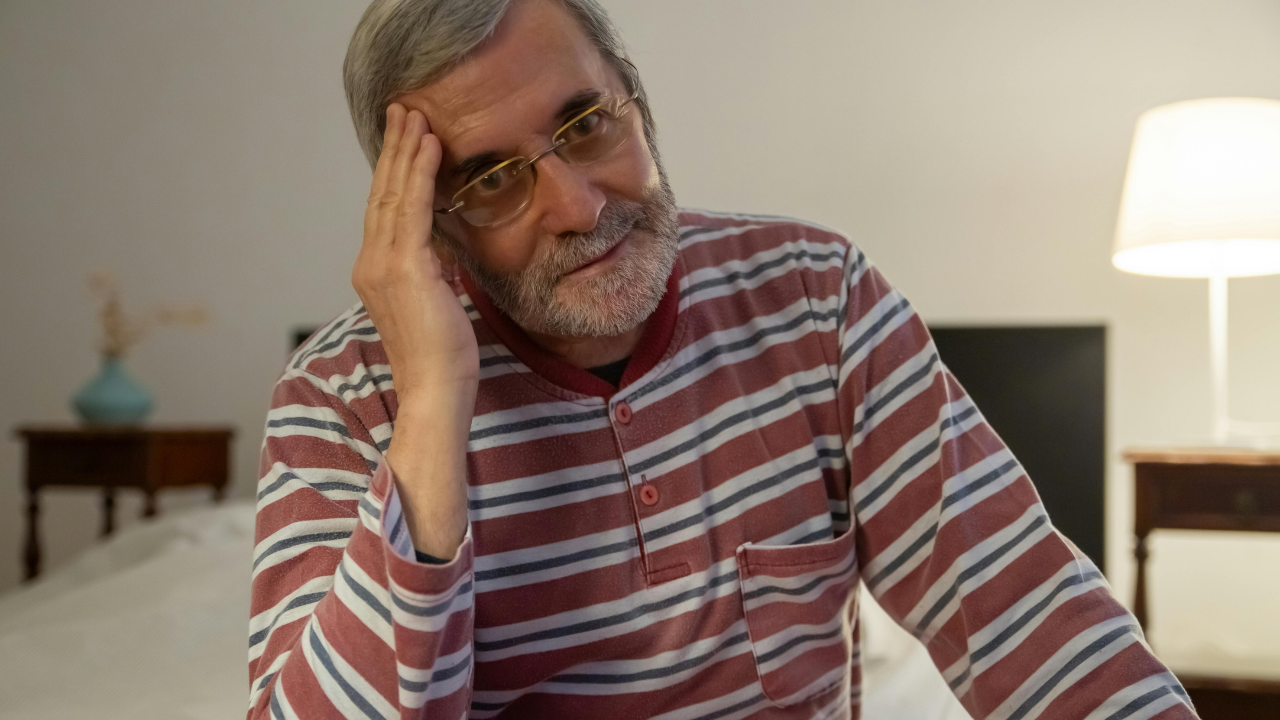
How A Caregiver Can Help You Recover From Surgery Recovering from surgery is rarely a journey meant to be taken alone. Even when the procedure is successful, the days that follow can feel uncertain, exhausting, and emotionally heavy. A caregiver becomes more than just a helper during this time. They become a steady presence that supports healing, confidence, and peace…
Best Way To Recover From Hip Replacement Hip replacement surgery often brings hope for a life with less pain and more freedom. Yet the days and weeks after surgery can feel overwhelming. Recovery is not only about healing the joint but also about restoring confidence, movement, and trust in your body. Understanding the best way to recover from hip replacement…
How To Regain Strength After Surgery Surgery changes the body in ways that are not always visible. Even after the incision heals, weakness, fatigue, and uncertainty often linger. Many people expect recovery to be quick, yet rebuilding strength is a gradual process that involves patience, emotional resilience, and consistent care. Understanding how to regain strength after surgery helps transform recovery…
Using Alexa For Check Ins With Your Loved One Staying connected with an aging loved one can be emotionally complex. Families want to respect independence while still ensuring safety and reassurance. Daily check-ins often feel necessary, yet constant phone calls or monitoring can feel intrusive. This is where technology, when used thoughtfully, can bridge the gap. Using Alexa for check-ins…
Foods To Avoid With Leukemia A leukemia diagnosis changes many aspects of daily life, including how food is viewed and experienced. Eating is no longer just about enjoyment or routine. It becomes closely tied to strength, immunity, and safety. For people living with leukemia, the immune system is often weakened, either by the disease itself or by treatment. Because of…
What Is Chronic Lymphocytic Leukemia? A diagnosis of chronic lymphocytic leukemia, often called CLL, can feel overwhelming, especially because it frequently appears later in life when individuals expect stability rather than uncertainty. Unlike many cancers that progress rapidly, CLL often moves quietly, sometimes for years, before symptoms become obvious. Understanding what chronic lymphocytic leukemia is can reduce fear, replace confusion…
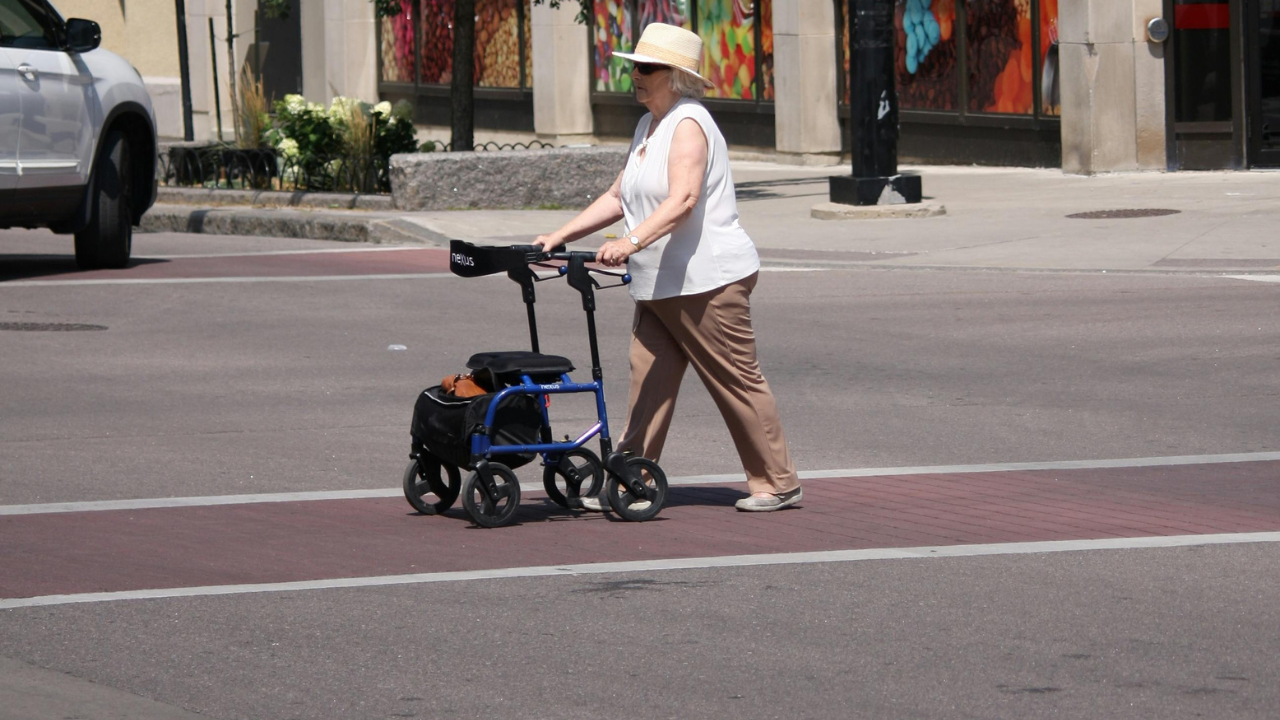
How To Keep Your Mobility As You Age Mobility is more than the ability to move from one place to another. It represents freedom, independence, and confidence in daily life. As people age, changes in strength, balance, and endurance can quietly threaten that freedom. The good news is that mobility does not disappear overnight. With awareness, intention, and compassion toward…
How To Choose The Best Type Of Bed Rails For many seniors, the bed is meant to be a place of rest and security. Yet as mobility changes, getting in and out of bed can become stressful or even dangerous. Bed rails are often introduced during this stage, not as a loss of independence, but as a tool for safety…
What Are The Do’s And Don’ts When Communicating To Seniors? Communication shapes how seniors experience the world around them. It can either reinforce dignity and connection or unintentionally create distance and frustration. As people age, changes in hearing, memory, energy, and emotional sensitivity can alter how messages are received. Understanding the do’s and don’ts of communicating with seniors is not…
How To Promote Healthy Communication With Seniors Healthy communication is the foundation of trust, dignity, and emotional safety, especially as people age. For seniors, communication is not just about exchanging information. It is about feeling heard, respected, and understood during a phase of life that can bring vulnerability and change. When communication breaks down, misunderstandings grow, emotions harden, and relationships…