
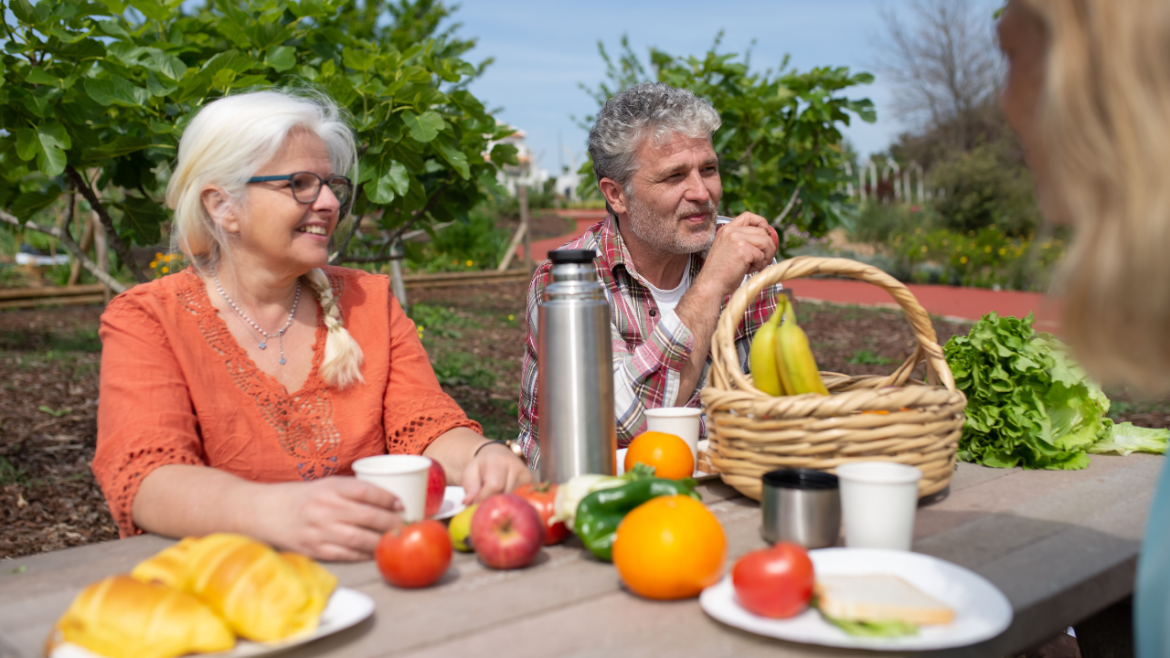
What’s Better For Seniors To Eat: Fruits Or Vegetables?
Good nutrition becomes increasingly important as people grow older because the body relies on essential vitamins, minerals, fiber, and antioxidants to support healthy aging. A balanced diet can help maintain muscle strength, improve immune function, protect heart health, support cognitive performance, and provide the energy needed for everyday activities. As seniors begin paying closer attention to healthy eating, one common question often arises: are fruits or vegetables better?
The answer is not as simple as choosing one over the other. Fruits and vegetables each provide unique nutrients that support different aspects of health, and both play an essential role in a well-rounded diet. Rather than competing with one another, they work together to help older adults maintain overall wellness while reducing the risk of many chronic diseases.
Understanding the individual benefits of fruits and vegetables allows seniors to make informed choices that support long-term health and independence.
Why Fruits Are Valuable for Seniors
Fruits provide a wide variety of vitamins, minerals, antioxidants, and natural plant compounds that help protect the body from damage caused by aging and chronic disease. Many fruits are excellent sources of vitamin C, potassium, folate, and dietary fiber, all of which contribute to healthy immune function, cardiovascular health, and digestive wellness.
Because many fruits naturally contain high amounts of water, they also help support hydration, which becomes especially important as the body’s sense of thirst declines with age. Watermelon, oranges, strawberries, peaches, grapes, and cantaloupe provide both refreshing hydration and important nutrients that benefit overall health.
Additionally, the natural sweetness of fruit often makes it easier for seniors to satisfy cravings while avoiding heavily processed desserts that contain excessive added sugars.
Fresh fruit offers both nourishment and enjoyment.
The Powerful Benefits of Vegetables
Vegetables are equally important because they provide concentrated nutrition while remaining naturally low in calories. Dark leafy greens, broccoli, carrots, peppers, tomatoes, squash, Brussels sprouts, and many other vegetables contain vitamins, minerals, antioxidants, and phytonutrients that support nearly every organ system.
Many vegetables are especially rich in vitamins A, K, and E, while others provide important sources of calcium, magnesium, and iron. These nutrients help maintain healthy bones, support vision, strengthen immunity, and contribute to proper muscle and nerve function.
Vegetables also provide dietary fiber, which supports digestive health while helping maintain healthy blood sugar and cholesterol levels.
Including a colorful variety of vegetables allows seniors to benefit from a broad range of protective nutrients.
Fiber Supports Healthy Digestion
One important advantage shared by both fruits and vegetables is their fiber content. Fiber plays an essential role in promoting regular bowel movements, preventing constipation, supporting healthy gut bacteria, and helping maintain stable blood sugar levels.
Constipation becomes increasingly common among older adults because of reduced physical activity, certain medications, lower fluid intake, and changes in digestive function. Consuming adequate amounts of fiber through fruits and vegetables often helps reduce these digestive challenges naturally.
Fiber also contributes to feelings of fullness, making it easier to maintain a healthy weight while supporting cardiovascular health over the long term.
Healthy digestion supports overall well-being.
Antioxidants Help Protect Aging Cells
Both fruits and vegetables contain powerful antioxidants that help protect cells from damage caused by unstable molecules known as free radicals. Over time, oxidative stress may contribute to aging as well as the development of chronic diseases such as heart disease, certain cancers, and cognitive decline.
Brightly colored fruits and vegetables often contain especially high concentrations of these protective compounds. Blueberries, strawberries, spinach, kale, carrots, sweet potatoes, tomatoes, and bell peppers each provide unique antioxidants that benefit different parts of the body.
Eating a colorful variety of produce allows seniors to receive a wide spectrum of protective nutrients every day.
Nature provides remarkable diversity through colorful foods.
Supporting Heart and Brain Health
Cardiovascular health remains one of the greatest concerns during the senior years, and both fruits and vegetables contribute meaningfully to protecting the heart. Potassium-rich produce helps regulate blood pressure, while dietary fiber supports healthy cholesterol levels and circulation.
Many fruits and vegetables also contain nutrients associated with healthy brain function. Leafy greens provide folate and vitamin K, while berries contain compounds that may support memory and cognitive performance. Citrus fruits contribute vitamin C, which supports blood vessel health throughout the body.
A diet rich in produce benefits both physical and cognitive wellness simultaneously.
Healthy hearts and healthy brains often develop through similar lifestyle choices.
Which Is Better for Blood Sugar?
Some seniors wonder whether vegetables are healthier because fruits contain natural sugars. While fruits do contain naturally occurring sugars, they also provide fiber, vitamins, water, and antioxidants that slow sugar absorption and contribute to overall nutrition.
Most whole fruits remain excellent choices when eaten as part of a balanced diet. Fruit juices, however, often contain concentrated sugars while providing less fiber than whole fruit.
Vegetables generally have lower carbohydrate content, making them especially valuable for individuals managing diabetes. Nevertheless, many people with diabetes continue enjoying appropriate portions of whole fruit as recommended by their healthcare provider or registered dietitian.
Balance remains more important than restriction.
Building Balanced Meals
Rather than choosing between fruits and vegetables, seniors benefit most by including both throughout the day. Vegetables can easily become part of lunch and dinner, while fruit often provides convenient snacks or nutritious additions to breakfast.
Combining produce with lean proteins, whole grains, healthy fats, and adequate hydration creates meals that support long-lasting energy while providing comprehensive nutrition.
Preparing produce in enjoyable ways also increases the likelihood that healthy eating habits will continue. Roasted vegetables, colorful salads, fresh fruit salads, smoothies, soups, and vegetable-rich casseroles all provide delicious opportunities to increase daily intake.
Making healthy foods appealing encourages lifelong success.
Small Changes Lead to Lasting Benefits
Improving nutrition does not require dramatic dietary changes overnight. Adding one additional serving of vegetables to dinner or replacing processed snacks with fresh fruit may seem like small adjustments, yet these consistent choices accumulate meaningful health benefits over time.
Families and caregivers can also encourage healthier eating by preparing colorful meals, shopping together, and introducing new fruits and vegetables gradually.
Healthy habits become easier to maintain when they are enjoyable rather than overwhelming.
Consistency creates lasting progress.
Fruits and Vegetables Work Best Together
When asking whether fruits or vegetables are better for seniors to eat, the most accurate answer is that both deserve an important place in a healthy diet. Fruits provide hydration, natural sweetness, vitamins, antioxidants, and fiber, while vegetables deliver concentrated nutrition, powerful protective compounds, and valuable support for heart, bone, digestive, and cognitive health.
Instead of viewing them as competing choices, seniors benefit most by enjoying a colorful variety of both every day. Together, they provide complementary nutrients that help protect against chronic disease while supporting healthy aging, greater energy, and improved quality of life.
Ultimately, the healthiest plate is one filled with variety. Every serving of colorful fruits and vegetables represents an investment in long-term wellness, helping older adults maintain their independence, strengthen their overall health, and continue enjoying active, fulfilling lives for many years to come.