
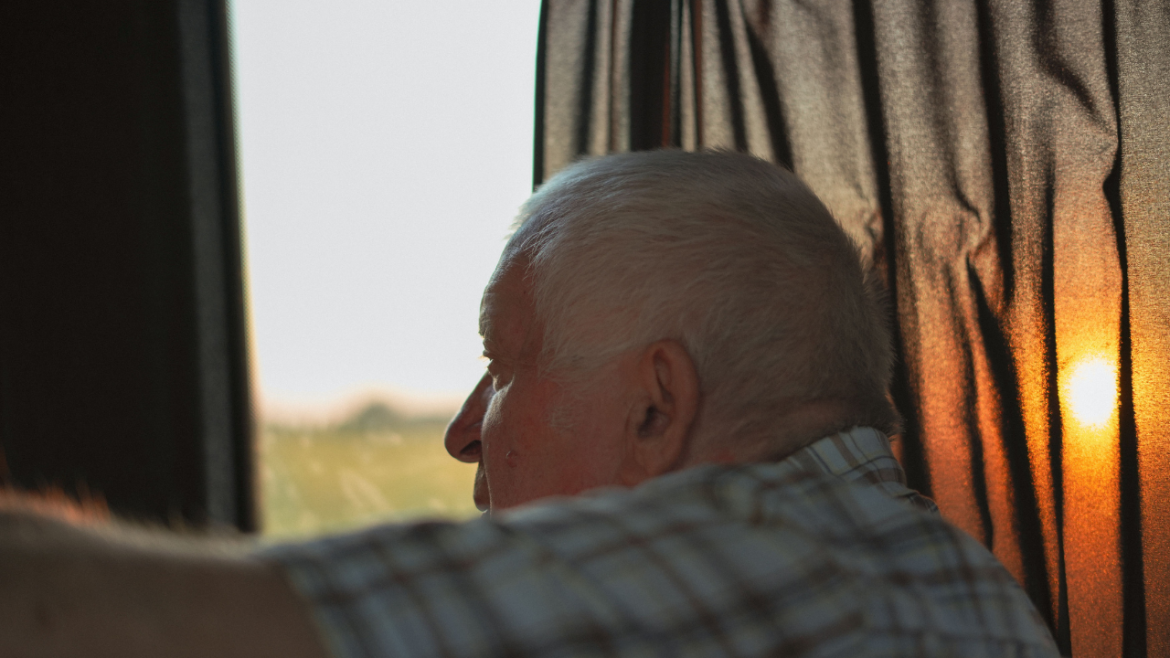
How To Survive Extreme Heat Warnings In Arizona For Seniors
Arizona is known for its breathtaking desert landscapes, beautiful sunsets, and abundant sunshine, yet the same climate that attracts millions of residents and visitors each year can become life-threatening during periods of extreme heat. Summer temperatures frequently climb well above 100 degrees Fahrenheit, and prolonged heat waves can push conditions into dangerous territory for anyone spending time outdoors. For older adults, these extreme temperatures present even greater health risks because the aging body does not regulate heat as efficiently as it once did.
As people grow older, natural changes in circulation, perspiration, and thirst response make it more difficult to stay cool and hydrated. Many seniors also manage chronic medical conditions or take medications that affect the body’s ability to regulate temperature. Because of these combined factors, understanding how to safely respond to extreme heat warnings becomes essential for protecting health, maintaining independence, and preventing medical emergencies.
Preparing before temperatures reach dangerous levels can make a meaningful difference when Arizona’s intense summer heat arrives.
Understand What an Extreme Heat Warning Means
An extreme heat warning is issued when weather conditions are expected to create a significant risk of heat-related illnesses. These warnings indicate that prolonged exposure to high temperatures can quickly overwhelm the body’s cooling system, especially for older adults, young children, and individuals with underlying medical conditions.
Unlike an ordinary hot summer day, an extreme heat warning signals that outdoor activities should be limited whenever possible. Heat-related illnesses can develop surprisingly quickly, particularly when temperatures remain elevated throughout both the day and the night, preventing the body from recovering after sunset.
Taking these warnings seriously allows seniors to make informed decisions before dangerous conditions begin affecting their health.
Stay Hydrated Throughout the Day
Hydration remains one of the most effective defenses against Arizona’s extreme heat. Unfortunately, many seniors experience a diminished sense of thirst, causing them to drink less water than their bodies actually need. Waiting until thirst develops may already indicate the beginning of dehydration.
Instead, older adults should sip water consistently throughout the day, even when they do not feel thirsty. Foods with naturally high water content, including watermelon, cucumbers, oranges, berries, lettuce, and soups, also contribute to maintaining healthy hydration levels.
Limiting excessive alcohol and beverages containing large amounts of caffeine may also help reduce dehydration, particularly during periods of exceptionally high temperatures.
Consistent hydration supports healthy circulation, temperature regulation, and overall physical function.
Remain Indoors During Peak Heat
The hottest part of an Arizona summer day generally occurs between late morning and early evening. During this period, outdoor temperatures and radiant heat from pavement, buildings, and vehicles can rise dramatically, creating hazardous conditions within only a few minutes.
Whenever possible, seniors should schedule errands, walks, gardening, or outdoor exercise during the early morning or after sunset when temperatures become significantly lower. If remaining indoors is possible, keeping curtains closed, using fans appropriately, and maintaining air conditioning helps create a safer living environment.
Community cooling centers, libraries, shopping centers, and senior centers may also provide relief if home cooling systems become unavailable.
Dress for Arizona’s Climate
Clothing plays an important role in helping the body remain cool during extreme heat. Lightweight, loose-fitting garments made from breathable fabrics allow air to circulate more effectively while reducing heat retention.
Light-colored clothing reflects more sunlight than darker colors, helping minimize heat absorption. Wide-brimmed hats, sunglasses with ultraviolet protection, and sunscreen further reduce heat stress and protect sensitive skin from harmful sun exposure.
Comfortable footwear also becomes important because hot pavement can quickly reach temperatures capable of causing burns.
Small clothing choices often make a noticeable difference during dangerous heat.
Recognize the Warning Signs of Heat-Related Illness
Understanding the symptoms of heat-related illness allows seniors and caregivers to respond quickly before conditions worsen. Early signs often include heavy sweating, muscle cramps, fatigue, dizziness, headache, nausea, weakness, and increased thirst.
As heat exhaustion progresses, symptoms may include cool or clammy skin, rapid pulse, confusion, fainting, or vomiting. Without prompt intervention, heat exhaustion may progress to heat stroke, which is a medical emergency requiring immediate treatment.
Heat stroke may cause confusion, loss of consciousness, seizures, extremely high body temperature, hot skin, or altered behavior. Anyone experiencing these symptoms should receive emergency medical care without delay because heat stroke can become life-threatening within a short period.
Recognizing symptoms early greatly improves the likelihood of successful treatment.
Prepare Your Home Before Heat Waves Arrive
Preparing the home before temperatures rise allows seniors to remain safer during prolonged periods of extreme heat. Air conditioning systems should be serviced regularly to ensure reliable operation throughout the summer months.
Windows and doors should seal properly to prevent cool air from escaping, while ceiling fans may help improve comfort when used alongside air conditioning. Backup plans should also exist in case of power outages, including identifying nearby cooling centers or relatives who can provide temporary shelter.
Keeping emergency supplies readily available, including bottled water, medications, flashlights, batteries, and portable phone chargers, further strengthens emergency preparedness.
Preparation reduces stress when unexpected situations develop.
Check on Loved Ones Regularly
Extreme heat affects many seniors living independently, particularly those who live alone. Family members, neighbors, friends, and caregivers play an essential role by checking in regularly during heat warnings to ensure older adults remain safe and comfortable.
Simple phone calls, text messages, or brief visits provide opportunities to confirm that air conditioning is functioning, hydration needs are being met, and no symptoms of heat-related illness have developed.
Strong community support often prevents emergencies before professional medical care becomes necessary.
Manage Medications Carefully During Hot Weather
Certain prescription medications may influence how the body responds to extreme temperatures. Some medications affect sweating, hydration, circulation, or kidney function, potentially increasing sensitivity to heat exposure.
Seniors should never stop taking medications without consulting their healthcare provider, but discussing heat-related precautions during routine appointments can provide valuable guidance. Pharmacists and physicians may recommend additional hydration strategies or monitoring plans based on each individual’s medical history.
Understanding medication effects allows better preparation during Arizona’s hottest months.
Create a Personalized Heat Safety Plan
Every senior benefits from having a clear plan for responding to extreme heat warnings. This plan should include emergency contact information, nearby cooling locations, transportation options, medication lists, and regular hydration reminders.
Knowing exactly what steps to take before temperatures become dangerous eliminates uncertainty and promotes faster decision-making during emergencies. Family members should also understand the plan so they can provide assistance whenever necessary.
Preparedness creates confidence while reducing unnecessary anxiety.
Staying Safe Throughout Arizona’s Hottest Months
Learning how to survive extreme heat warnings in Arizona as a senior begins with understanding personal risk factors and developing healthy daily habits before temperatures become dangerous. Staying hydrated, remaining indoors during peak heat, dressing appropriately, recognizing early symptoms of heat-related illness, preparing the home, checking on loved ones, managing medications carefully, and creating an emergency plan all work together to reduce the risk of serious complications.
Although Arizona’s summer climate can be intense, thoughtful preparation allows older adults to continue enjoying life while protecting their health. Every precaution, no matter how small it may seem, contributes to greater safety, confidence, and peace of mind.
By respecting extreme heat warnings and responding proactively, seniors can continue living independently while significantly reducing the likelihood of dehydration, heat exhaustion, heat stroke, and other heat-related medical emergencies throughout Arizona’s challenging summer season.