
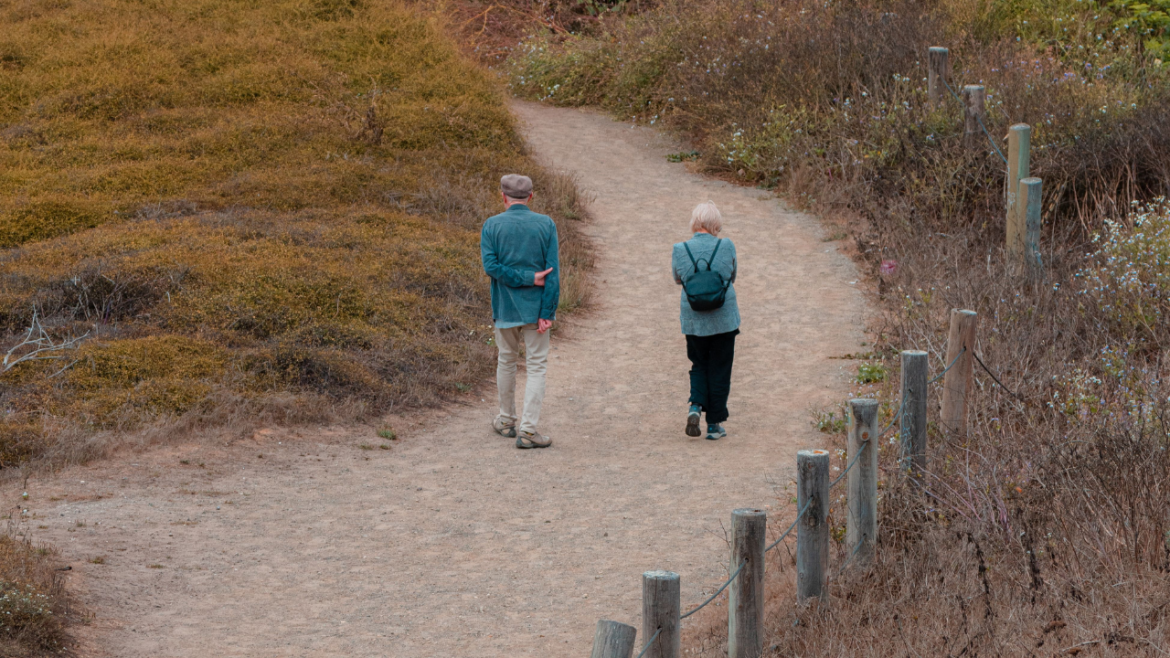
Should Seniors Go Hiking?
As people age, maintaining an active lifestyle becomes increasingly important for preserving physical health, emotional well-being, and overall independence. Many seniors search for enjoyable ways to stay active without feeling as though they are simply exercising for the sake of exercise. Hiking often emerges as an appealing option because it combines movement, fresh air, natural scenery, and a sense of adventure that many individuals continue to enjoy well into their later years.
When families ask whether seniors should go hiking, the answer is often yes, provided that the activity matches the individual’s physical abilities and health needs. Hiking can offer numerous benefits that support healthy aging while creating opportunities for meaningful experiences and personal fulfillment.
Rather than focusing solely on physical activity, hiking allows seniors to connect with nature, challenge themselves appropriately, and enjoy moments that contribute to a richer quality of life.
How Hiking Supports Physical Health
One of the primary reasons hiking is beneficial for seniors is its ability to support overall physical fitness. Walking on trails engages multiple muscle groups throughout the body, helping improve strength, endurance, and coordination over time.
Unlike some forms of exercise that feel repetitive or confined to indoor spaces, hiking often provides a more engaging experience because the environment is constantly changing. This variety helps many seniors remain motivated and interested in staying active.
Regular hiking can also contribute to healthier circulation, improved cardiovascular function, and better balance. These benefits are particularly important because maintaining strength and stability may help reduce fall risk as individuals age.
When approached safely and gradually, hiking becomes a valuable tool for supporting long-term physical wellness.
The Positive Impact on Mental Health
Physical health is only one part of the equation. Hiking also offers meaningful mental and emotional benefits that can improve overall well-being.
Spending time outdoors often helps reduce stress and promote relaxation. Natural settings provide a peaceful environment that allows individuals to disconnect from daily worries and focus on the present moment. The sights, sounds, and beauty of nature can create a calming effect that supports emotional balance.
For many seniors, hiking provides a welcome opportunity to clear the mind and experience a sense of freedom. Even a short walk through a scenic area can improve mood and reduce feelings of anxiety or frustration.
These emotional benefits often extend beyond the hike itself and contribute to a greater sense of happiness and fulfillment.
Encouraging Social Connection and Engagement
Many seniors experience periods of loneliness or isolation, particularly after retirement, health changes, or the loss of loved ones. Hiking can help address these concerns by creating opportunities for social interaction and meaningful engagement.
Walking with friends, family members, or organized hiking groups encourages conversation and connection while promoting physical activity. These shared experiences often strengthen relationships and create lasting memories.
The simple act of exploring nature together allows seniors to remain socially active without the pressure sometimes associated with formal gatherings or events. This combination of movement and companionship often improves both emotional and physical health.
Maintaining strong social connections remains an important part of healthy aging, and hiking provides a natural setting for those relationships to flourish.
Choosing the Right Trail and Difficulty Level
While hiking offers many benefits, it is important for seniors to choose trails that match their abilities and fitness levels. Not every hiking trail is appropriate for every individual, and selecting the right environment can significantly improve both safety and enjoyment.
Many parks and recreational areas offer well-maintained trails designed specifically for easy walking. These routes often provide beautiful scenery without requiring steep climbs or difficult terrain.
Seniors should avoid feeling pressured to tackle challenging trails simply because others are doing so. The goal is to enjoy the experience while remaining comfortable and safe throughout the journey.
Gradually increasing distance and difficulty over time allows individuals to build confidence and endurance without unnecessary risk.
Understanding Potential Risks
Although hiking can be highly beneficial, it is important to acknowledge potential risks and prepare accordingly. Uneven terrain, weather conditions, dehydration, and physical fatigue can all present challenges if proper precautions are not taken.
Seniors should wear supportive footwear, stay hydrated, and pay attention to weather forecasts before beginning any outdoor activity. In locations such as Arizona, where temperatures can rise quickly, planning hikes during cooler morning hours becomes especially important.
Individuals with chronic health conditions should discuss hiking plans with healthcare providers if there are concerns regarding mobility, heart health, or other medical issues.
Preparation helps transform hiking into a safer and more enjoyable activity while reducing the likelihood of preventable problems.
The Importance of Listening to the Body
One of the most valuable skills seniors can develop while hiking is learning to listen carefully to their bodies. Fatigue, dizziness, shortness of breath, or unusual discomfort should never be ignored.
Taking breaks when needed and adjusting plans based on physical condition demonstrates wisdom rather than weakness. Hiking is not a competition, and there is no need to push beyond safe limits in order to enjoy the experience.
Respecting the body’s signals allows seniors to remain active while protecting long-term health and well-being.
This balanced approach often leads to more positive experiences and greater consistency over time.
Hiking and the Joy of Independence
For many older adults, maintaining independence becomes a major priority. Activities that support self-confidence and personal accomplishment often contribute significantly to emotional well-being.
Hiking provides opportunities to explore, make choices, and engage with the world actively rather than passively. Reaching a scenic viewpoint, completing a trail, or simply enjoying time outdoors can create a powerful sense of achievement.
These experiences remind seniors that aging does not mean giving up meaningful adventures or personal goals. Instead, it often means finding new ways to enjoy life while adapting to changing needs.
The confidence gained through successful outdoor activities frequently carries over into other areas of daily living.
Creating Meaningful Memories Through Nature
One of the most overlooked benefits of hiking is its ability to create lasting memories. Walking through forests, deserts, mountains, or parks often provides moments of beauty and reflection that stay with people long after the hike ends.
For seniors, these experiences can become cherished opportunities to spend time with loved ones, connect with nature, and appreciate the present moment. The emotional value of these memories often extends far beyond the physical benefits of exercise.
Nature has a way of reminding people that life remains full of wonder regardless of age.
Embracing Hiking as Part of Healthy Aging
So, should seniors go hiking? In many cases, the answer is absolutely yes. When approached thoughtfully and safely, hiking offers a powerful combination of physical exercise, emotional well-being, social engagement, and personal fulfillment.
By choosing appropriate trails, preparing carefully, and respecting individual limitations, seniors can enjoy the many rewards that hiking provides. These experiences support healthy aging while helping individuals remain active, connected, and engaged with the world around them.
In the end, hiking is about far more than walking on a trail. It is about embracing movement, discovering beauty, and continuing to create meaningful experiences that enrich life throughout every stage of aging.