
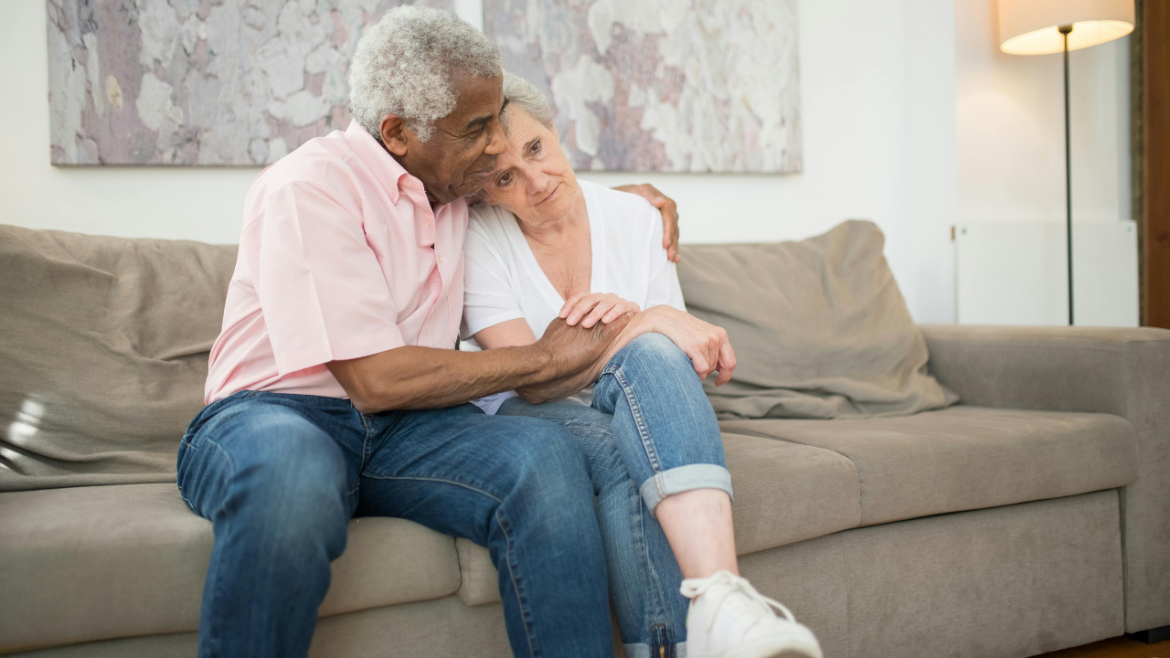
Ways To Reduce Edema
Edema is a condition that causes swelling in the body due to excess fluid becoming trapped within tissues, and it is especially common among seniors as circulation and overall body function begin to change with age. Many older adults notice swelling in the feet, ankles, legs, or hands, particularly after long periods of sitting or standing. While mild swelling may seem harmless at first, persistent edema can become uncomfortable and sometimes signal underlying health concerns that require attention.
Understanding ways to reduce edema begins with recognizing that the condition affects more than physical appearance alone. Swelling can create discomfort, reduce mobility, and make daily activities feel physically exhausting. In some cases, it may also contribute to emotional frustration because movement becomes more difficult and uncomfortable over time.
By identifying the causes of edema and adopting supportive habits, seniors and caregivers can often improve comfort and reduce swelling in meaningful ways.
Why Edema Becomes Common in Seniors
As the body ages, circulation and fluid regulation may not function as efficiently as they once did. Blood vessels can weaken, muscles may become less active, and certain medical conditions may interfere with how fluid moves throughout the body.
For many seniors, spending long periods sitting or lying down can contribute to fluid buildup in the lower extremities. Gravity naturally pulls fluid downward, which is why swelling often becomes more noticeable in the feet and ankles.
Certain medications, heart conditions, kidney disease, or reduced mobility may also increase the likelihood of edema. In addition, poor circulation and weakened muscle activity can make it harder for the body to move fluid back toward the heart effectively.
Understanding these contributing factors helps families and caregivers respond more thoughtfully to swelling rather than dismissing it as a normal part of aging.
The Importance of Movement and Circulation
One of the most effective ways to reduce edema is by encouraging gentle movement that supports circulation throughout the body. When muscles remain active, they help push fluid and blood through the veins more efficiently, reducing the likelihood of fluid buildup.
Simple activities such as walking, stretching, or changing positions regularly can make a meaningful difference. Even light movement helps stimulate circulation and prevent fluid from pooling in the lower body for extended periods.
For seniors with limited mobility, smaller movements such as ankle rotations or leg lifts while seated may still provide benefits. The goal is not intense exercise. It is creating consistent circulation throughout the day.
Encouraging movement gently and consistently often improves both comfort and mobility over time.
Elevating the Legs to Reduce Swelling
Leg elevation is another common and effective method for reducing edema, especially when swelling occurs in the feet and lower legs. Elevating the legs above heart level allows gravity to help move excess fluid away from the lower extremities and back toward the upper body.
For many seniors, resting with the legs elevated for short periods throughout the day can help reduce pressure and discomfort significantly. This simple adjustment often creates relief when swelling feels heavy or painful.
Comfort remains important during elevation. Pillows or supportive cushions can help maintain proper positioning without creating strain on the back or hips.
Incorporating leg elevation into daily routines may help seniors feel physically lighter and more comfortable during movement.
Supporting the Body Through Proper Hydration
Although it may seem surprising, proper hydration actually plays an important role in reducing edema. When the body becomes dehydrated, it may begin retaining more fluid as a protective response.
Seniors are particularly vulnerable to dehydration because the sensation of thirst often decreases with age. As a result, many older adults unintentionally drink less water than their body needs.
Maintaining consistent hydration supports circulation and helps the body regulate fluid balance more effectively. Water also assists kidney function, which is important for removing excess fluid from the body.
Encouraging regular fluid intake throughout the day often contributes to better overall comfort and reduced swelling.
The Role of Nutrition in Managing Edema
Diet can significantly influence fluid retention and swelling. Foods high in sodium often cause the body to hold onto excess water, which may worsen edema symptoms over time.
Reducing highly processed foods and choosing more balanced meals can help support healthier fluid regulation. Fresh fruits, vegetables, and nutrient-rich foods provide the body with support that promotes circulation and overall health.
Maintaining a balanced diet also helps manage underlying conditions that may contribute to swelling, such as heart disease or diabetes.
Approaching nutrition with consistency rather than restriction often creates more sustainable and comfortable habits for seniors.
Compression and Supportive Garments
Compression stockings or supportive garments are often recommended to help reduce swelling in the legs and improve circulation. These garments apply gentle pressure that helps prevent fluid from pooling in the lower extremities.
For many seniors, compression support creates noticeable relief, particularly during periods of prolonged sitting or standing. However, proper fit is important because garments that are too tight may create discomfort rather than improvement.
Healthcare professionals can help determine the most appropriate level of compression based on individual needs and overall health conditions.
Using supportive garments correctly often helps seniors feel more stable and comfortable throughout the day.
Understanding When Medical Attention Is Needed
While mild edema can often be managed with supportive habits, persistent or sudden swelling should never be ignored. In some cases, edema may indicate underlying medical conditions involving the heart, kidneys, liver, or circulatory system.
Swelling accompanied by pain, redness, shortness of breath, or sudden weight gain may require prompt medical evaluation. These symptoms can sometimes signal more serious concerns that need professional attention.
Caregivers and families should remain observant and communicate any significant changes to healthcare providers. Early intervention often helps prevent complications and improves overall outcomes.
Recognizing when swelling moves beyond normal discomfort is an important part of protecting senior health.
Emotional Effects of Chronic Swelling
Edema does not only affect physical comfort. Persistent swelling can also influence emotional well-being, particularly when it limits movement or creates frustration during daily activities.
Seniors may feel discouraged when shoes no longer fit comfortably or when walking becomes more tiring because of swelling and heaviness in the legs. These frustrations can gradually affect confidence and independence.
Providing emotional support and reassurance helps seniors feel less isolated in their experience. Compassionate care often makes daily management feel less overwhelming.
Moving Forward with Greater Comfort and Support
Understanding ways to reduce edema involves more than simply addressing swelling itself. It requires supporting circulation, mobility, hydration, and overall health in a thoughtful and consistent way.
By encouraging movement, proper hydration, balanced nutrition, and supportive routines, families and caregivers can help seniors experience greater comfort and improved quality of life. Even small adjustments often create meaningful relief over time.
In the end, managing edema is about helping seniors feel lighter, more comfortable, and more confident in their daily lives. Through patience, awareness, and compassionate support, swelling can often be reduced while preserving both physical well-being and emotional comfort throughout the aging process.