
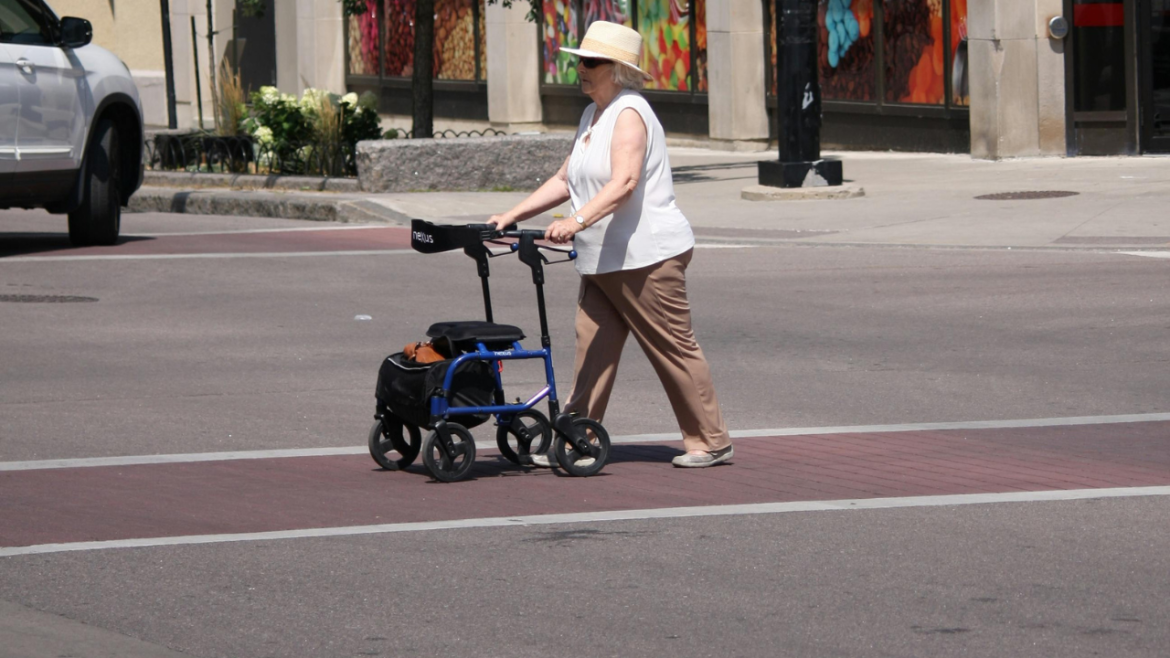
How To Adjust Your Walker To The Proper Height
For many seniors, a walker becomes more than just a mobility aid. It becomes a source of confidence, safety, and independence during everyday life. Whether recovering from surgery, managing balance issues, or coping with long-term mobility challenges, the proper use of a walker can make movement feel more stable and less physically exhausting. However, one of the most overlooked aspects of walker safety is adjusting it to the correct height.
Understanding how to adjust your walker to the proper height is essential because an incorrectly adjusted walker can place unnecessary strain on the body and increase the risk of falls or discomfort. A walker that sits too low may force a senior to bend forward unnaturally, while one that is too high can reduce balance and create shoulder tension.
When adjusted properly, a walker supports posture, improves comfort, and helps seniors move with greater confidence throughout the day.
How Improper Walker Height Affects the Body
Using a walker that is not adjusted correctly can affect multiple areas of the body over time. Seniors may begin experiencing discomfort in the back, shoulders, wrists, or neck because of poor positioning while walking.
When a walker is too low, the body often leans forward excessively, creating strain on the lower back and increasing fatigue. This posture can also affect balance, making movement feel less secure and more tiring.
On the other hand, a walker that is too high may force the shoulders upward unnaturally, causing tension and reducing the ability to place stable weight through the arms when needed.
These physical effects may seem minor at first, yet over time they can influence comfort, posture, and overall mobility in significant ways.
The Importance of Natural Posture
Proper walker height helps support a more natural walking posture, which is essential for both comfort and safety. Seniors should be able to stand upright comfortably while holding the walker handles without excessive bending or reaching.
When posture is supported correctly, the body moves more efficiently and with less strain. This improved alignment helps reduce pressure on the spine and joints while also improving overall balance during movement.
Maintaining natural posture is particularly important for seniors because balance and coordination often become more delicate with age. Small adjustments in positioning can make a noticeable difference in stability and confidence.
A properly adjusted walker allows movement to feel smoother and less physically demanding throughout the day.
How to Determine the Correct Walker Height
Adjusting a walker to the correct height begins with proper positioning. The senior should stand upright while wearing their usual walking shoes and place the walker directly in front of them.
When arms are resting naturally at the sides, the walker handles should align closely with the crease of the wrist. This positioning typically allows the elbows to bend slightly when gripping the handles, creating a comfortable and supportive angle.
A slight bend in the elbows is important because it allows the arms to absorb some movement naturally while maintaining balance and control. If the arms are fully straight or bent too sharply, the walker may not provide effective support.
Taking time to adjust the walker carefully helps ensure that movement feels stable and comfortable rather than awkward or strained.
Recognizing Signs the Walker Is Adjusted Incorrectly
Sometimes seniors continue using walkers that are improperly adjusted without realizing how much discomfort or instability it may be causing. Recognizing warning signs can help caregivers and family members identify when adjustments are needed.
A senior who leans heavily forward while walking may be using a walker that is too low. Complaints of shoulder pain or difficulty maintaining control may indicate the walker is too high.
Other signs include unusual fatigue during walking, poor posture, or visible instability while moving. Seniors may also begin avoiding movement because walking feels uncomfortable or unsafe.
Addressing these issues promptly helps improve both safety and confidence during mobility.
The Emotional Importance of Safe Mobility
Mobility plays a major role in emotional well-being for many seniors. The ability to move safely and independently often influences confidence, social engagement, and overall quality of life.
When a walker is adjusted properly, seniors may feel more secure and willing to participate in daily activities. Walking becomes less intimidating, which can reduce fear of falling and encourage greater independence.
On the other hand, discomfort or instability caused by improper walker use may create frustration or anxiety surrounding movement. Seniors may begin limiting activity because they no longer feel safe.
Providing the correct support through proper walker adjustment helps restore confidence and creates a greater sense of control over daily life.
Supporting Seniors During the Adjustment Process
Adjusting a walker may seem simple, yet some seniors may feel uncertain or resistant to making changes, especially if they have used the walker a certain way for a long period of time.
Caregivers should approach the process patiently and respectfully. Explaining that proper adjustment can reduce discomfort and improve safety helps seniors feel included rather than corrected.
It can also be helpful to observe how the senior walks after adjustments are made. Small refinements may still be necessary to ensure comfort and natural movement.
Encouragement and reassurance play an important role during this process because seniors often feel more confident when they understand the purpose behind the adjustments.
The Role of Regular Reassessment
A senior’s physical condition can change over time due to aging, illness, or recovery from injury. Because of this, walker height may need occasional reassessment to ensure it continues meeting the individual’s needs properly.
Changes in posture, strength, or mobility can influence how the walker should be positioned. Regularly observing comfort and walking patterns helps identify when further adjustments may be necessary.
Healthcare professionals such as physical therapists can also provide valuable guidance when determining the safest and most supportive walker height.
Staying attentive to these changes helps ensure that the walker continues supporting both mobility and long-term safety.
Moving Forward with Greater Safety and Confidence
Understanding how to adjust your walker to the proper height is about far more than comfort alone. Proper adjustment supports posture, reduces physical strain, improves balance, and helps seniors move with greater confidence and independence.
A walker should feel like a supportive extension of the body rather than an obstacle that creates discomfort or instability. When adjusted correctly, it becomes a tool that promotes safer movement and greater emotional reassurance.
By taking the time to ensure proper fit and ongoing comfort, seniors and caregivers can create a safer and more positive mobility experience. These small adjustments often lead to meaningful improvements in both physical well-being and overall quality of life.
In the end, proper walker adjustment is not just about equipment. It is about helping seniors maintain dignity, confidence, and freedom as they continue navigating daily life with greater safety and support.