
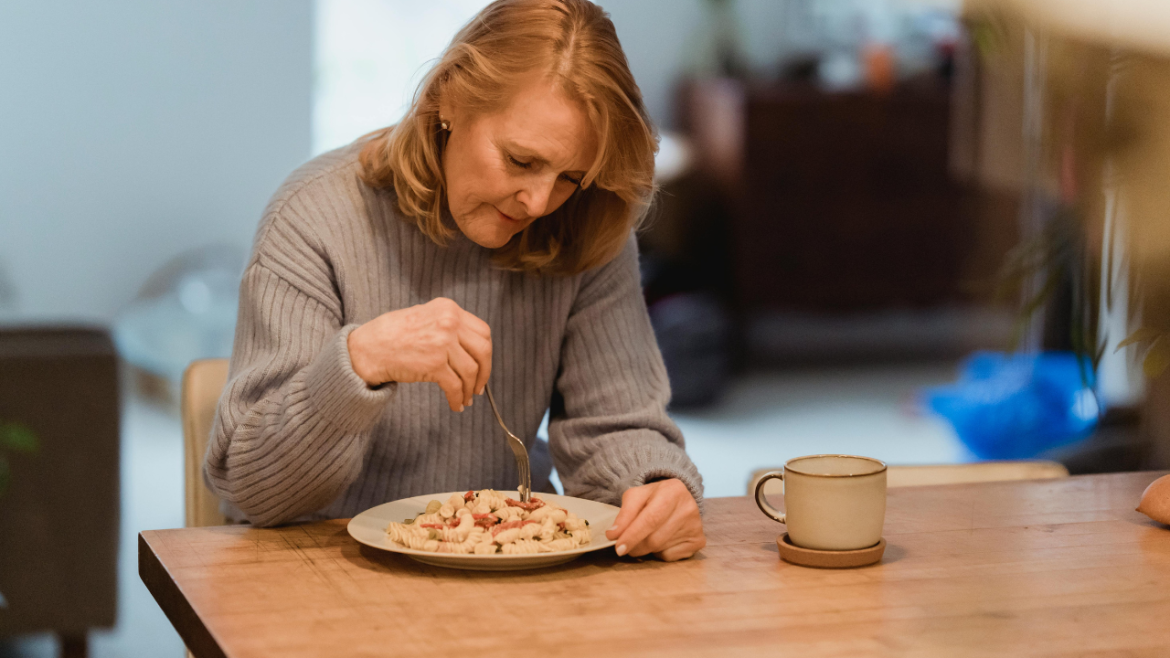
Healthy Meals For Diabetic Seniors
When a senior is living with diabetes, food becomes more than just nourishment. It becomes a daily tool for maintaining balance, preserving energy, and supporting long-term health in a way that feels both intentional and deeply personal. Healthy meals for diabetic seniors are not about strict limitations or constant worry. Instead, they are about creating a sense of stability that allows the body to function more smoothly while also preserving the enjoyment that comes with eating.
As the body ages, it responds differently to food. Blood sugar levels may fluctuate more easily, and the body may require more thoughtful choices to maintain consistency. Because of this, each meal plays a role in shaping how a senior feels throughout the day.
Understanding this connection allows families and caregivers to approach nutrition with care, focusing on both physical health and emotional well-being.
Balancing Nutrients for Stable Blood Sugar
One of the most important aspects of creating healthy meals for diabetic seniors is achieving balance. Meals that include a combination of carbohydrates, protein, and healthy fats help regulate how glucose is released into the bloodstream.
Carbohydrates provide energy, yet when consumed alone, they can cause rapid spikes in blood sugar. Pairing them with protein and fats slows this process, allowing for a more gradual release of energy. This steady flow helps prevent sudden highs and lows, which can be physically and emotionally draining.
For seniors, this balance creates a more predictable experience. Energy levels remain stable, and the body feels supported rather than overwhelmed by sudden changes.
Over time, these balanced meals contribute to a sense of comfort and control that is essential for managing diabetes effectively.
Choosing Foods That Support Long-Term Health
The types of foods included in daily meals play a significant role in overall well-being. Whole, nutrient-dense options provide the body with vitamins, minerals, and fiber that support both digestion and blood sugar control.
Foods that are less processed tend to have a more stable impact on glucose levels, making them a valuable part of a diabetic-friendly diet. Fresh vegetables, lean proteins, and whole grains all contribute to a foundation that supports health over time.
In addition, these foods often provide sustained energy, which helps seniors remain active and engaged throughout the day. This connection between nutrition and energy reinforces the importance of thoughtful meal planning.
By focusing on quality rather than restriction, meals become a source of nourishment and enjoyment.
Adapting Meals to Changing Needs
As seniors age, their dietary needs and preferences may change. Appetite can fluctuate, and certain foods may become less appealing or more difficult to prepare. These changes require flexibility in how meals are planned and served.
Smaller, more frequent meals may be easier to manage, especially if large portions feel overwhelming. Adjusting textures or flavors can also make meals more enjoyable, encouraging consistent eating habits.
For caregivers, this adaptability is key. It allows meals to remain both nutritious and appealing, ensuring that seniors receive the support they need without feeling restricted.
This approach creates a sense of ease, making it more likely that healthy eating habits will be maintained over time.
The Role of Routine in Meal Planning
Routine plays an important role in managing diabetes, particularly when it comes to meals. Eating at consistent times helps regulate blood sugar levels, creating a predictable pattern that supports the body’s natural rhythms.
For seniors, this consistency provides a sense of stability. It reduces uncertainty and helps prevent the sudden drops or spikes that can occur when meals are skipped or delayed.
Establishing a regular schedule for meals and snacks also makes it easier to plan balanced options. Caregivers can prepare meals in advance, ensuring that healthy choices are always available.
Over time, this routine becomes a comforting part of daily life, supporting both physical health and emotional well-being.
Emotional Connection to Food and Mealtime
Food is not only about nutrition. It is also deeply connected to emotion, memory, and social interaction. For seniors, mealtime can be an important opportunity for connection and comfort.
Sharing meals with family or caregivers creates moments of conversation and engagement. These interactions contribute to emotional health, reducing feelings of isolation and reinforcing a sense of belonging.
Even when meals are simple, the act of eating together can have a meaningful impact. It transforms mealtime into an experience rather than a task, making it more enjoyable and fulfilling.
Recognizing this emotional connection helps ensure that meals support both the body and the spirit.
Supporting Independence Through Nutrition
Healthy meals for diabetic seniors also play a role in maintaining independence. When the body receives consistent nourishment, it is better able to perform daily activities without fatigue or discomfort.
Stable blood sugar levels contribute to clearer thinking and improved physical strength, both of which are essential for independence. Seniors who feel physically capable are more likely to engage in their routines with confidence.
Providing support in meal planning and preparation helps reinforce this independence. Whether through guidance or assistance, caregivers can create an environment where seniors feel empowered rather than restricted.
This balance between support and autonomy is essential for maintaining dignity and quality of life.
Moving Forward with Confidence and Care
Understanding healthy meals for diabetic seniors involves more than following dietary guidelines. It is about creating a thoughtful approach that supports stability, comfort, and enjoyment.
By focusing on balanced nutrition, adapting to individual needs, and maintaining consistent routines, families and caregivers can help seniors manage diabetes in a way that feels both practical and compassionate.
Each meal becomes an opportunity to support health while also creating moments of connection and care. This approach allows seniors to move forward with confidence, knowing that their needs are being met in a way that respects both their physical and emotional well-being.
In the end, healthy eating is not about perfection. It is about consistency, understanding, and the simple act of nourishing the body with intention, allowing seniors to live each day with greater strength and peace of mind.