
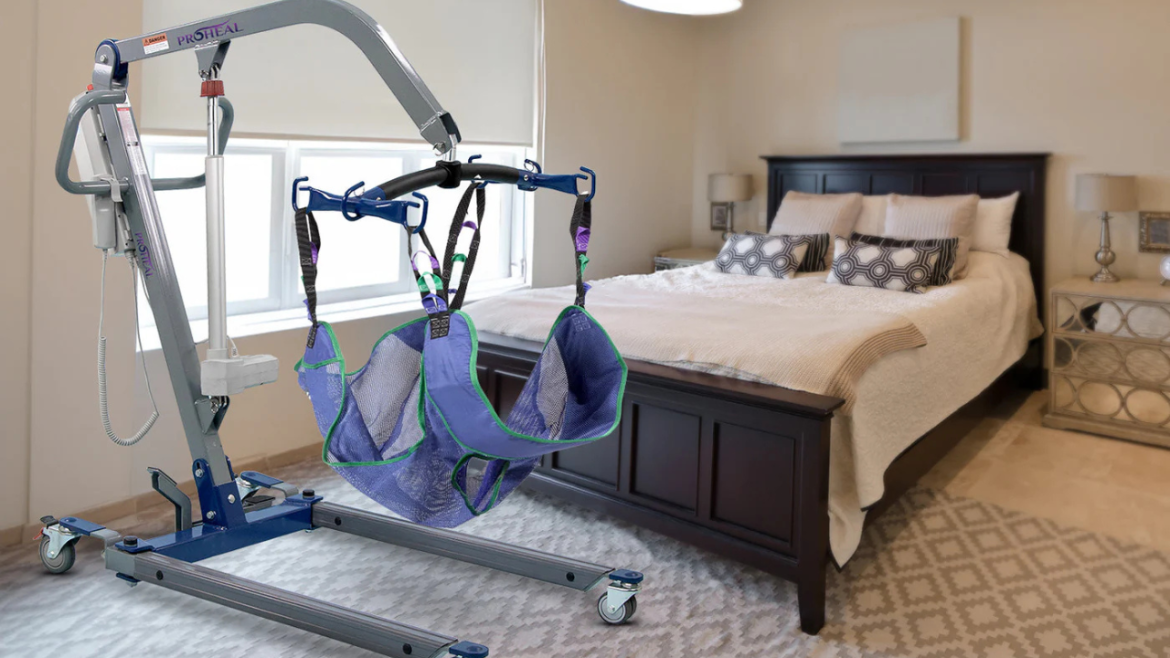
The Practical Steps Of Using A Hoyer Lift
When mobility becomes limited, even the simplest movements can require thoughtful assistance, especially for seniors who depend on others for safe transfers throughout the day. In these moments, a Hoyer lift becomes more than just a piece of equipment. It becomes a bridge between safety, dignity, and comfort, allowing individuals to move without unnecessary strain or fear.
Understanding the practical steps of using a Hoyer lift begins with recognizing its purpose. This device is designed to lift and transfer a person from one surface to another, such as from a bed to a wheelchair, in a controlled and secure manner. It reduces the need for manual lifting, which can place strain on both the caregiver and the individual being assisted.
When used correctly, a Hoyer lift creates a safer experience that supports both physical well-being and emotional confidence.
Preparing for a Safe and Supportive Transfer
Before beginning any transfer, preparation plays a crucial role in ensuring that the process goes smoothly. Taking a few moments to assess the environment and gather necessary equipment helps prevent unexpected challenges.
The area should be clear of obstacles, allowing the lift to move freely without interference. Surfaces should be positioned appropriately, with the receiving chair or bed ready and stable. These small adjustments create a foundation for safety.
Equally important is communication. Explaining each step to the senior helps reduce anxiety and builds trust. When individuals understand what is happening, they are more likely to feel relaxed and cooperative throughout the process.
This preparation phase sets the tone for a calm and controlled transfer.
Positioning the Sling with Care
The sling is an essential component of the Hoyer lift, as it supports the individual during the transfer. Proper positioning of the sling is key to ensuring both comfort and stability.
The process begins by gently rolling the individual to one side, allowing the sling to be placed beneath them. Once positioned, the sling is adjusted so that it supports the back and extends evenly beneath the body.
Careful attention to alignment ensures that the individual will be balanced when lifted. The leg straps are then positioned securely, providing additional support and preventing shifting during movement.
Throughout this step, maintaining a gentle and respectful approach helps the individual feel comfortable and secure.
Lifting with Stability and Control
Once the sling is properly positioned, the lift can be engaged. Whether the lift is manual or electric, the movement should always be slow and controlled.
As the individual is lifted, it is important to observe their position and ensure that they remain balanced. The body should rise evenly, without sudden shifts or discomfort.
During this stage, maintaining eye contact and offering reassurance can help ease any anxiety. The sensation of being lifted may feel unfamiliar, so a calm presence provides a sense of stability.
Caregivers should remain attentive, making small adjustments as needed to keep the individual comfortable throughout the lift.
Moving and Positioning with Precision
After the individual is safely lifted, the next step involves moving the lift toward the desired location. This movement should be steady and deliberate, avoiding quick or abrupt changes in direction.
Positioning the individual over the receiving surface requires careful alignment. The goal is to ensure that they are centered and supported before being lowered.
Taking the time to adjust the position before lowering helps prevent discomfort and ensures a smooth transition. This attention to detail reflects a commitment to both safety and dignity.
As the lift is maneuvered, maintaining a calm pace reinforces a sense of control and reassurance.
Lowering and Completing the Transfer
Lowering the individual is just as important as lifting them. The descent should be gradual, allowing the body to settle comfortably onto the receiving surface.
As the individual is lowered, caregivers should guide their positioning, ensuring that they are seated or lying in a natural and supported posture. Adjustments may be needed to ensure comfort and alignment.
Once the transfer is complete, the sling can be carefully removed. This step should be done gently, taking care not to cause discomfort or disturb the individual’s position.
Completing the transfer with attention and care reinforces the sense of safety that the Hoyer lift provides.
Supporting Emotional Comfort During Transfers
While the physical aspects of using a Hoyer lift are important, the emotional experience should not be overlooked. Being lifted and moved by a device can feel unfamiliar, especially for seniors who may already feel vulnerable.
Providing reassurance throughout the process helps create a sense of trust. Speaking calmly, maintaining a supportive presence, and respecting personal boundaries all contribute to a positive experience.
Over time, familiarity with the process can reduce anxiety. What once felt uncertain may begin to feel routine, allowing the individual to approach transfers with greater confidence.
This emotional support is just as important as the physical steps involved.
Building Confidence Through Consistent Practice
Using a Hoyer lift effectively requires practice and consistency. As caregivers become more familiar with the process, their movements become more confident and fluid.
This confidence is reflected in the experience of the individual being assisted. When the process feels smooth and predictable, it reinforces a sense of safety and trust.
Regular use also allows for adjustments based on individual needs. Each person may have unique preferences or requirements, and adapting to these needs enhances the overall experience.
Consistency transforms the use of the Hoyer lift from a technical task into a supportive routine.
Moving Forward with Safety and Dignity
Understanding the practical steps of using a Hoyer lift is about more than mastering a piece of equipment. It is about creating an environment where safety, comfort, and dignity are prioritized in every movement.
By approaching each transfer with preparation, care, and compassion, caregivers can provide support that feels both effective and respectful. This approach helps seniors maintain a sense of independence, even when assistance is needed.
In the end, the Hoyer lift serves as a tool that empowers both the caregiver and the individual. It allows for safe movement while preserving the dignity and confidence that are essential to a meaningful and supported life.