
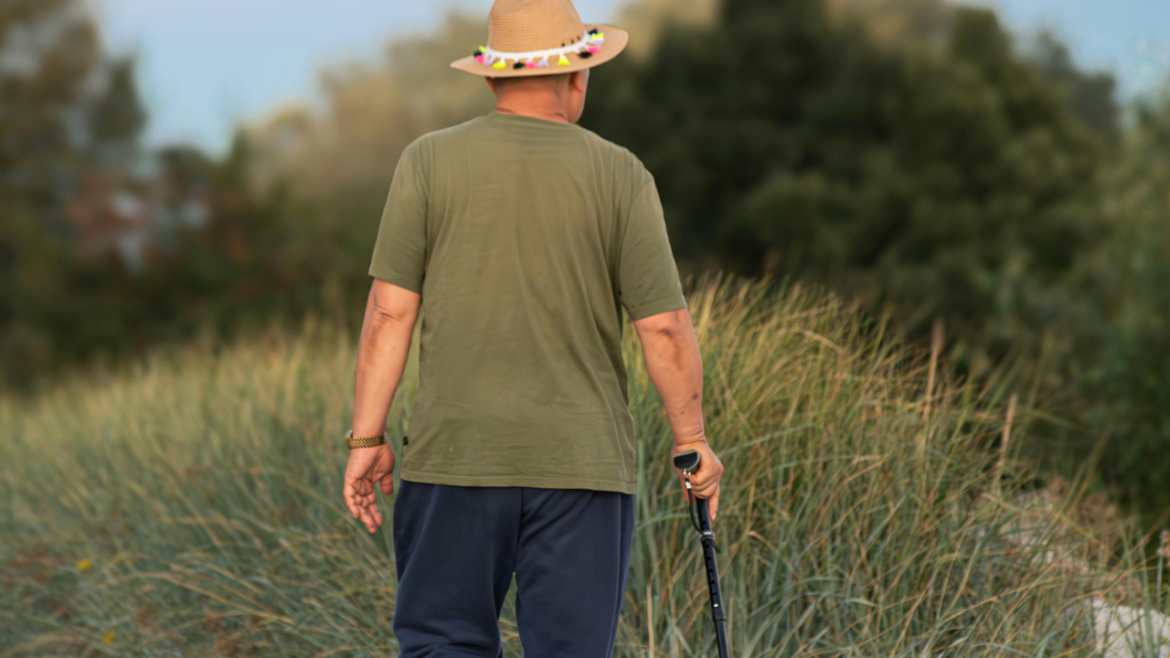
Why Seniors Love Taking Daily Walks
For many seniors, a daily walk is more than just a form of exercise. It becomes a meaningful part of the day, offering a sense of rhythm, purpose, and connection to the world around them. While it may seem like a simple activity, walking carries a quiet power that touches both the body and the mind in ways that are deeply important as we age.
Understanding why seniors love taking daily walks reveals how something so accessible can provide lasting benefits. It is not about speed or distance. Instead, it is about movement, presence, and the gentle act of continuing forward each day.
In a world that often feels fast and overwhelming, a daily walk offers something steady and grounding, allowing seniors to reconnect with themselves and their surroundings.
Supporting Physical Health in a Gentle Way
One of the most immediate reasons seniors embrace daily walking is the way it supports physical health without placing unnecessary strain on the body. Unlike more intense forms of exercise, walking feels natural and manageable, making it easier to maintain over time.
As the body moves, circulation improves, helping deliver oxygen and nutrients to muscles and organs. This process supports heart health and contributes to overall vitality. At the same time, walking helps maintain joint flexibility, reducing stiffness and encouraging smoother movement.
Muscle strength also benefits from consistent walking. Even light activity engages the legs and core, which are essential for balance and stability. Over time, this gentle strengthening can make everyday tasks feel easier and more comfortable.
For seniors, this combination of movement and support creates a foundation for maintaining independence and confidence in their physical abilities.
Enhancing Mental Clarity and Emotional Well-Being
Beyond its physical benefits, walking has a profound effect on mental clarity and emotional balance. As seniors step outside and begin to move, the mind often follows, shifting away from stress or worry and into a more relaxed state.
The rhythm of walking creates a calming effect, allowing thoughts to settle and emotions to feel more manageable. This sense of calm can reduce feelings of anxiety and contribute to a more positive outlook on daily life.
Exposure to natural light and fresh air also plays a role in improving mood. Sunlight helps regulate sleep patterns, while being outdoors provides a refreshing change from indoor environments.
For many seniors, these moments of clarity become something to look forward to. They offer a chance to reset, reflect, and approach the rest of the day with a renewed sense of energy.
Creating a Sense of Routine and Purpose
Daily walks often become a cherished routine. Having a consistent activity to look forward to each day provides structure, which can be especially important during retirement or periods of change.
This routine creates a sense of purpose. Even a short walk becomes a goal, something that encourages movement and engagement. It transforms the day from something to pass through into something to participate in.
For seniors, this sense of purpose can have a meaningful impact on motivation and emotional well-being. It reinforces the idea that each day holds opportunities for activity and connection.
Over time, the routine of walking becomes a comforting presence, offering stability in a world that may otherwise feel uncertain.
Encouraging Social Connection
Walking also creates opportunities for social interaction, which is an essential part of emotional health. Whether it involves greeting neighbors, walking with a friend, or simply being around others, these moments of connection can reduce feelings of isolation.
For some seniors, daily walks become a time to meet familiar faces or engage in casual conversation. These interactions may be brief, yet they contribute to a sense of belonging and community.
Even when walking alone, being in a shared space can create a feeling of connection to the broader world. This sense of presence helps seniors feel less isolated and more engaged with their surroundings.
These small social experiences add depth to the activity, making it more than just a physical routine.
Building Confidence Through Movement
Confidence often grows with consistency. As seniors continue their daily walks, they begin to notice improvements in how their bodies feel and respond. Movements that once felt uncertain may become more stable, while endurance gradually increases.
This progress reinforces self-belief. Each step becomes a reminder that they are capable of maintaining their health and independence. This confidence can extend into other areas of life, encouraging greater participation in daily activities.
For many seniors, walking becomes a symbol of resilience. It represents the ability to keep moving forward, even in the face of challenges or changes.
This sense of empowerment is one of the reasons daily walks hold such lasting appeal.
Connecting with Nature and the Present Moment
Walking also provides a unique opportunity to connect with the present moment. As seniors move through their surroundings, they become more aware of the details around them, from the sound of birds to the feeling of a gentle breeze.
This awareness creates a sense of mindfulness. It encourages individuals to focus on the here and now, rather than dwelling on past concerns or future uncertainties.
Nature plays a significant role in this experience. Green spaces, open skies, and natural elements create a calming environment that supports both mental and emotional well-being.
These moments of connection with nature often bring a sense of peace that is difficult to replicate in other settings.
A Lasting Habit That Supports Well-Being
Ultimately, the reason seniors love taking daily walks lies in the combination of benefits it provides. It supports physical health, enhances mental clarity, encourages social connection, and creates a sense of purpose that enriches daily life.
Walking is accessible, adaptable, and sustainable, making it an ideal activity for individuals at any stage of aging. It does not require special equipment or extensive preparation, yet its impact can be profound.
By embracing this simple habit, seniors can continue to engage with life in a meaningful way. Each walk becomes an opportunity to nurture the body, calm the mind, and connect with the world.
In this way, daily walking becomes more than a routine. It becomes a pathway to maintaining independence, joy, and a deep sense of well-being that carries forward with every step.