
Best Type Of Memory Activities For Seniors
As individuals grow older, maintaining cognitive health becomes an essential part of preserving independence, confidence, and overall quality of life. Memory, in particular, plays a central role in how seniors navigate their daily routines, connect with others, and hold onto meaningful life experiences. When memory begins to feel less reliable, it can create a sense of uncertainty that affects both emotional and mental well-being.
This is why engaging in the best type of memory activities for seniors is not simply about mental exercise. It is about nurturing the mind in a way that supports clarity, confidence, and connection. These activities provide opportunities to stimulate the brain while also creating moments of joy and purpose.
By understanding how memory activities work and why they matter, families and caregivers can help seniors stay mentally engaged in ways that feel both meaningful and fulfilling.
The Connection Between Memory and Daily Life
Memory is deeply intertwined with everyday life. It influences how seniors remember appointments, recognize familiar faces, and carry out routines that once felt automatic. When memory begins to decline, even small tasks can feel more complicated, which can lead to frustration or hesitation.
Engaging in memory activities helps reinforce neural pathways, allowing the brain to stay active and responsive. These activities encourage recall, attention, and problem-solving, all of which contribute to stronger cognitive function over time.
More importantly, memory activities help seniors remain connected to their own experiences. They create opportunities to revisit meaningful moments, which can bring comfort and a sense of identity.
This connection between memory and daily life highlights the importance of consistent mental engagement.
Activities That Encourage Recall and Recognition
Some of the most effective memory activities are those that encourage seniors to recall and recognize information in a gentle and supportive way. These activities do not need to feel like structured exercises. Instead, they can be woven into everyday experiences.
For example, conversations about past events, family history, or favorite memories can stimulate recall while also strengthening emotional connections. Looking through photographs or listening to familiar music can trigger memories that feel vivid and meaningful.
These activities work because they engage long-term memory, which often remains accessible even as other types of memory become more challenging. By focusing on familiar experiences, seniors can feel more confident and engaged.
Over time, these moments of recognition help reinforce cognitive pathways and create a sense of continuity.
The Role of Problem-Solving and Mental Engagement
In addition to recall-based activities, engaging in tasks that involve problem-solving can help maintain cognitive flexibility. These activities challenge the brain in ways that encourage focus, reasoning, and creativity.
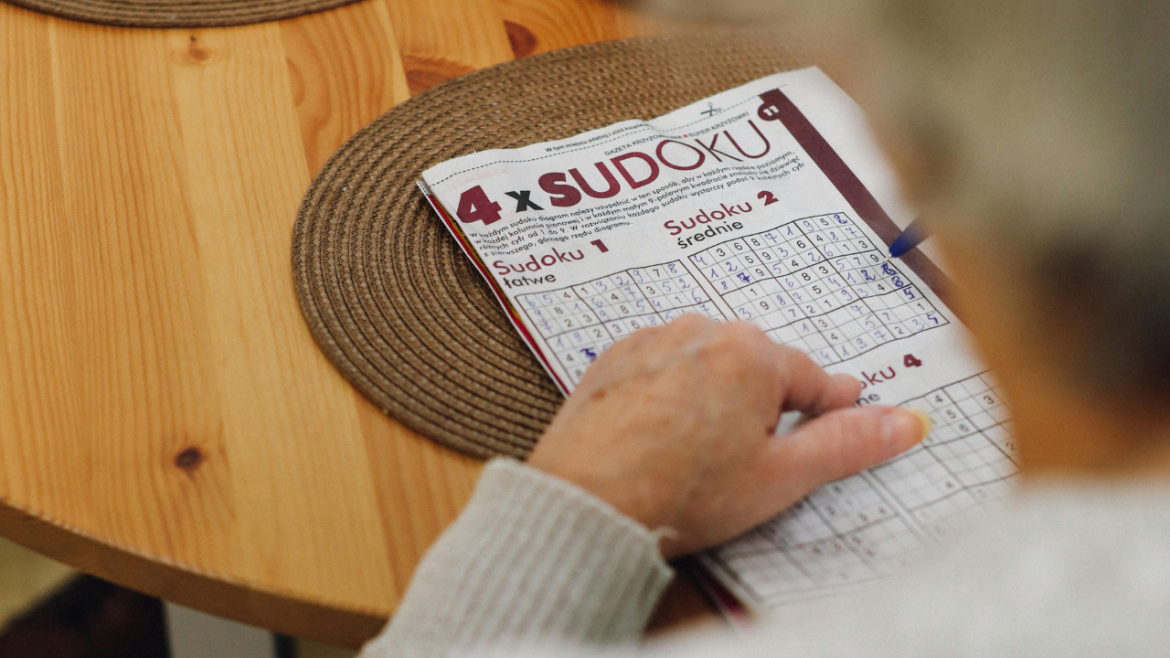
Puzzles, word games, and other forms of mental stimulation require the brain to process information actively. This engagement helps keep neural connections strong and responsive.
For seniors, the key is to find activities that feel enjoyable rather than overwhelming. When the level of challenge is appropriate, these activities can create a sense of accomplishment and satisfaction.
This balance between challenge and enjoyment is essential for maintaining motivation and consistency.
Emotional Benefits of Memory Activities
While the cognitive benefits of memory activities are important, the emotional impact is equally significant. Engaging the mind can create a sense of purpose and reduce feelings of isolation or boredom.
Seniors who participate in memory activities often experience increased confidence, as they are able to recall information and complete tasks successfully. This confidence can extend into other areas of life, encouraging greater independence.
In addition, many memory activities involve interaction with others, whether through conversation, shared games, or group experiences. These interactions provide opportunities for connection and support, which are vital for emotional well-being.
By combining mental stimulation with emotional engagement, memory activities create a more holistic approach to senior care.
Adapting Activities to Individual Needs
One of the most important aspects of choosing the best type of memory activities for seniors is recognizing that each individual is unique. What works well for one person may not be as effective for another.
Adapting activities to match personal interests, abilities, and comfort levels ensures that they remain enjoyable and accessible. This personalized approach helps prevent frustration and encourages continued participation.
For some seniors, simple activities such as reading or storytelling may be most effective. Others may prefer more interactive experiences that involve movement or creativity.
By paying attention to individual preferences, caregivers can create an environment where memory activities feel natural and engaging.
Building Routine and Consistency
Consistency plays a crucial role in the effectiveness of memory activities. Engaging in these activities regularly helps reinforce cognitive pathways and create lasting benefits.
Incorporating memory activities into daily routines makes them easier to maintain. Whether it is a morning conversation, an afternoon puzzle, or an evening reflection, these moments become part of a predictable rhythm.
This routine provides structure, which can be especially helpful for seniors experiencing cognitive changes. It creates a sense of familiarity that supports both mental clarity and emotional stability.
Over time, these consistent efforts contribute to a stronger and more resilient cognitive foundation.
Supporting Long-Term Cognitive Health
The benefits of memory activities extend beyond immediate improvements. They contribute to long-term cognitive health by keeping the brain active and engaged.
While no single activity can prevent all forms of cognitive decline, regular mental stimulation helps slow progression and maintain function. This ongoing engagement supports the brain’s ability to adapt and respond to new challenges.
For seniors, this means greater independence, improved confidence, and a higher quality of life. It allows them to continue participating in meaningful activities and maintaining connections with others.
By prioritizing memory activities, families and caregivers invest in the long-term well-being of their loved ones.
Moving Forward with Purpose and Engagement
Understanding the best type of memory activities for seniors highlights the importance of keeping the mind active in ways that feel meaningful and enjoyable. These activities are not about perfection or performance. They are about connection, engagement, and the preservation of identity.
Through consistent practice, thoughtful adaptation, and emotional support, memory activities become a powerful tool for enhancing both cognitive and emotional health. They provide moments of clarity, confidence, and joy that enrich daily life.
As seniors continue their journey, these activities serve as a reminder that the mind, like the body, benefits from care and attention. By embracing this approach, families can help their loved ones remain engaged, connected, and empowered at every stage of life.