
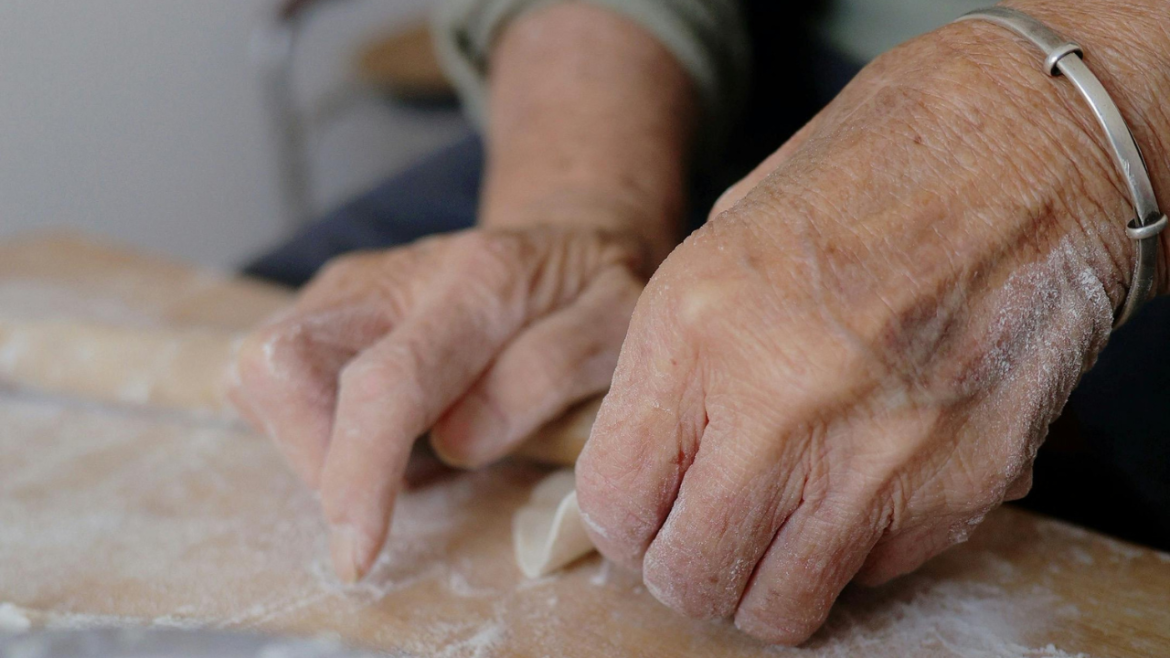
Why Cooking Is A Struggle For Seniors With Parkinson’s
For many seniors, cooking represents far more than preparing a meal. It is a routine that brings comfort, independence, and a sense of purpose. However, for those living with Parkinson’s, this once familiar activity can gradually become more difficult, introducing both physical and emotional challenges that are not always immediately visible.
Parkinson’s disease affects movement, coordination, and muscle control, yet its impact extends beyond these physical symptoms. It influences how individuals approach daily tasks, how they interact with their environment, and how they feel about their own independence. As these changes develop, activities like cooking may begin to feel overwhelming rather than enjoyable.
Understanding why cooking is a struggle for seniors with Parkinson’s helps families and caregivers approach this challenge with empathy and awareness, creating opportunities for support rather than frustration.
Changes in Motor Skills and Coordination
One of the most significant reasons cooking becomes difficult for seniors with Parkinson’s is the change in motor skills. The disease often causes tremors, stiffness, and slowed movement, which can affect even the simplest actions.
Tasks that require precision, such as chopping vegetables or pouring liquids, may become challenging as hand movements become less steady. Holding utensils, turning knobs, or managing small objects can require more effort and concentration than before.
These changes can create a sense of unpredictability. A movement that once felt natural may now feel uncertain, which can lead to hesitation and increased anxiety. Over time, this uncertainty may discourage individuals from attempting tasks they once performed with ease.
The loss of smooth coordination does not mean the ability is gone. It simply means that the process requires more patience and adaptation.
The Role of Balance and Stability
Cooking often involves standing for extended periods, moving between different areas of the kitchen, and maintaining balance while handling objects. For seniors with Parkinson’s, these actions can become increasingly difficult.
Balance may feel less reliable, and sudden movements can increase the risk of falls. Turning quickly, reaching for items, or navigating tight spaces in the kitchen may create moments of instability.
This physical challenge can make the kitchen feel less like a safe environment. Even when no incident occurs, the fear of falling can influence how a senior approaches cooking.
As a result, individuals may begin to limit their time in the kitchen or avoid certain tasks altogether. This shift can affect both nutrition and emotional well-being, making it important to recognize and address these concerns.
Cognitive Changes and Task Complexity
In addition to physical symptoms, Parkinson’s can also affect cognitive function. Planning and organizing tasks may become more difficult, which can complicate the process of cooking.
Preparing a meal often involves multiple steps, from gathering ingredients to timing each part of the recipe. For seniors with Parkinson’s, keeping track of these steps can feel overwhelming, especially when combined with physical challenges.
Distractions or interruptions may further complicate the process, making it harder to stay focused. This can lead to frustration, as individuals may feel that tasks they once mastered are now harder to complete.
Understanding this cognitive aspect helps explain why cooking may feel more demanding, even when the physical environment remains unchanged.
Safety Concerns in the Kitchen
Safety becomes a central concern when cooking with Parkinson’s. The combination of tremors, slowed movement, and balance issues can increase the risk of accidents.
Handling hot surfaces, sharp utensils, or heavy pots may feel less controlled, creating potential hazards. Even simple actions, such as carrying a dish from the stove to the table, may require additional care and attention.
These risks can lead to a heightened sense of caution. While caution is important, it can also contribute to anxiety, making the cooking process feel stressful rather than enjoyable.
Caregivers often share these concerns, which can lead to restrictions or increased supervision. While these measures are intended to protect, they may also affect the senior’s sense of independence.
Balancing safety with autonomy becomes an important part of addressing this challenge.
Emotional Impact and Loss of Independence
Perhaps one of the most significant aspects of this struggle is the emotional impact it creates. Cooking is often tied to identity, tradition, and personal expression. Losing the ability to cook independently can feel like losing a part of oneself.
Seniors may experience frustration, sadness, or a sense of loss as they adjust to these changes. They may feel discouraged when tasks take longer or require assistance, even if that support is offered with care.
This emotional response is completely natural. It reflects the importance of cooking as a meaningful part of daily life.
Recognizing these feelings allows caregivers to respond with compassion. Providing reassurance and encouragement helps seniors feel supported rather than limited.
Finding New Ways to Stay Involved
Although cooking may become more challenging, it does not have to disappear entirely from a senior’s life. Adapting the experience allows individuals to remain involved while reducing stress and risk.
Simplifying tasks, breaking them into smaller steps, or focusing on specific parts of the cooking process can make the activity more manageable. Even small contributions, such as stirring ingredients or selecting recipes, help maintain a sense of participation.
Creating a supportive environment encourages collaboration rather than dependency. When seniors feel included, they are more likely to engage with confidence.
These adaptations help preserve the emotional connection to cooking, even as the process evolves.
Supporting Dignity and Well-Being
Understanding why cooking is a struggle for seniors with Parkinson’s is about more than recognizing limitations. It is about finding ways to support dignity, independence, and quality of life.
With patience, empathy, and thoughtful adjustments, families can help seniors navigate these challenges while maintaining a sense of purpose. Cooking may look different than it once did, yet it can still provide comfort and connection.
By focusing on what remains possible, rather than what has changed, caregivers can create an environment where seniors feel valued and supported.
In the end, the goal is not to eliminate challenges but to approach them with understanding. Through this approach, cooking can continue to be a meaningful and fulfilling part of life, even in the face of change.