
What Is A Beasy Board?
When mobility becomes limited, even the simplest movements can feel challenging, and this is often when families begin searching for tools that provide both safety and independence. One device that frequently enters the conversation is the Beasy Board. Understanding what a Beasy Board is can help individuals and caregivers feel more confident in managing daily transfers with greater ease and comfort.
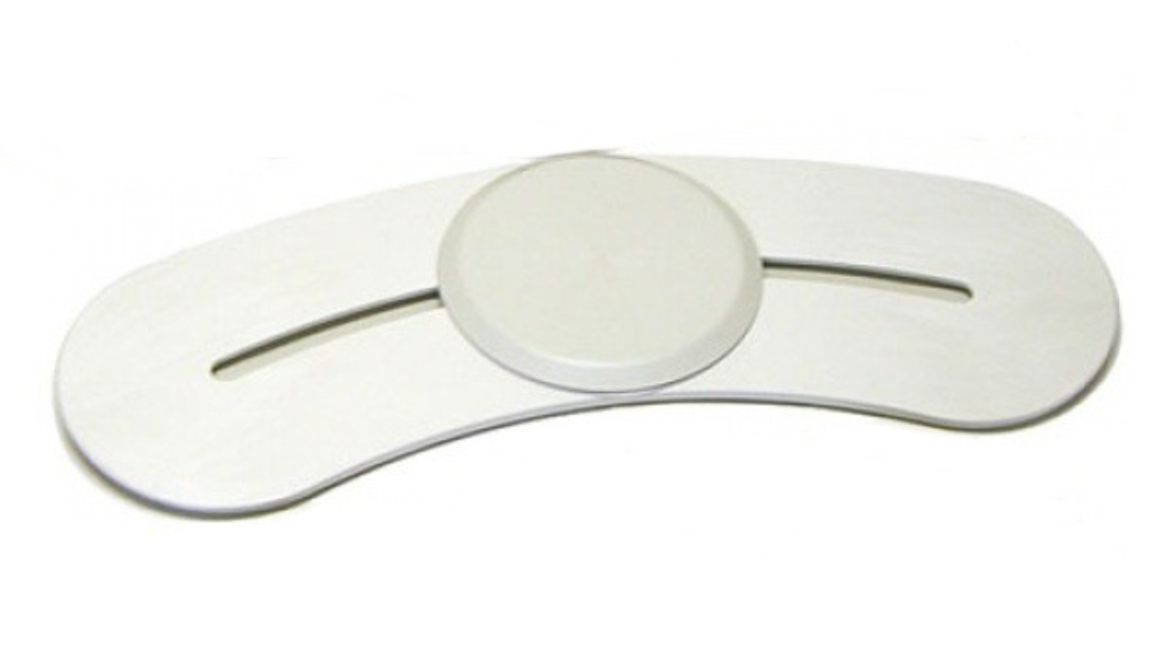
A Beasy Board is a specialized transfer board designed to help individuals move from one surface to another while remaining seated. Unlike traditional slide boards, it features a rotating seat that glides along a fixed base, allowing for smoother and more controlled movement. This unique design reduces the need for lifting, which can be physically demanding for both the user and the caregiver.
For seniors or individuals with limited strength, the Beasy Board offers a supportive solution that transforms a difficult task into a manageable one. It provides a sense of stability while encouraging independence during everyday activities.
Why Transfers Can Become Challenging
To fully understand the importance of a Beasy Board, it is helpful to recognize why transfers can become difficult over time. Moving from a wheelchair to a bed, from a chair to a car seat, or even repositioning within a room requires coordination, strength, and balance.
As the body ages or recovers from injury, these abilities may decline. Muscles may weaken, joints may become stiff, and balance may feel less reliable. These changes can make transfers feel uncertain and, at times, unsafe.
For many seniors, the fear of falling becomes a significant concern. This fear can lead to hesitation, which further complicates movement and increases the risk of injury. Caregivers may also feel the strain, as assisting with transfers often requires physical effort and careful coordination.
The Beasy Board addresses these challenges by providing a stable, controlled pathway for movement, reducing both physical strain and emotional stress.
How the Beasy Board Works
The design of the Beasy Board sets it apart from traditional transfer aids. At its core, the board consists of a solid base paired with a circular seat that rotates smoothly along its surface. This rotating mechanism allows the user to shift position gradually without needing to lift or slide across a flat surface.
During a transfer, the board is positioned between two surfaces, such as a wheelchair and a bed. The individual sits on the rotating seat and uses gentle movements to pivot from one side to the other. This controlled motion reduces friction and minimizes the effort required to complete the transfer.
Because the movement is guided by the board, it feels more stable and predictable. This stability can be especially reassuring for seniors who feel uncertain about their balance.
Over time, the process becomes more familiar, allowing individuals to move with greater confidence and independence.
Reducing Physical Strain for Caregivers
While the Beasy Board is designed to support the user, it also provides significant benefits for caregivers. Assisting with transfers can be physically demanding, particularly when lifting or supporting another person’s weight.
Repeated strain can lead to fatigue or even injury, making it difficult for caregivers to provide consistent support. The Beasy Board helps reduce this burden by minimizing the need for lifting.
Instead of relying on strength alone, caregivers can guide the transfer using the board’s rotating mechanism. This approach allows for safer and more efficient movement, protecting both the caregiver and the individual receiving assistance.
In many cases, the reduction in physical strain also improves the overall caregiving experience. When transfers become easier and less stressful, caregivers can focus more on providing emotional support and companionship.
Emotional Benefits and Restored Confidence
Beyond its physical advantages, the Beasy Board also offers meaningful emotional benefits. Mobility challenges can affect a person’s sense of independence, leading to feelings of frustration or loss of control.
The ability to move safely and with greater ease can restore confidence. Seniors who use a Beasy Board often feel more capable of participating in their daily routines, which contributes to a stronger sense of self.
This renewed confidence extends beyond physical movement. It influences how individuals view their abilities and their role within their environment. When seniors feel supported rather than restricted, they are more likely to remain engaged and active.
The emotional reassurance provided by the Beasy Board is just as important as its practical function. It transforms transfers from a source of anxiety into an opportunity for independence.
Adapting to Daily Life with the Beasy Board
Incorporating a Beasy Board into daily routines requires some adjustment, yet it often becomes a natural part of life over time. With proper guidance and practice, both seniors and caregivers can learn how to use the board effectively.
Consistency plays an important role in building confidence. Regular use allows individuals to become familiar with the movement, making each transfer feel more comfortable and predictable.
Healthcare professionals often provide instruction and support during the initial stages, ensuring that the board is used safely and correctly. This guidance helps reduce uncertainty and encourages a smoother transition.
As familiarity grows, the Beasy Board becomes less of a medical device and more of a supportive tool integrated into everyday life.
Supporting Independence and Quality of Life
Ultimately, understanding what a Beasy Board is reveals its true purpose. It is not simply a piece of equipment. It is a tool that supports independence, reduces physical strain, and enhances overall quality of life.
For seniors, maintaining the ability to move safely from one place to another is a key part of preserving dignity and confidence. The Beasy Board helps make this possible by providing a reliable and effective solution.
Families and caregivers who incorporate this device into their care approach often find that it improves both safety and emotional well-being. It allows seniors to remain active participants in their own lives while reducing the challenges associated with mobility limitations.
In the end, the Beasy Board represents more than assistance. It represents comfort, control, and the ability to navigate daily life with greater ease and confidence.