
What Type Of Walker Is Best?
When mobility begins to change, one of the most important questions seniors and their families ask is simple yet deeply personal: what type of walker is best? The answer is not always straightforward, because every individual’s needs, strength, and daily routine are different. However, choosing the right walker can make a meaningful difference in both safety and confidence.
Walking is more than just movement. It represents independence, freedom, and the ability to engage with the world. When balance becomes uncertain or strength begins to decline, even short distances can feel intimidating. This is where a properly chosen walker becomes essential, offering stability while helping seniors maintain their sense of autonomy.
Rather than viewing a walker as a limitation, it can be seen as a supportive tool that restores confidence. With the right choice, seniors often rediscover their ability to move comfortably and safely within their environment.
Standard Walkers and Maximum Stability
For seniors who require the highest level of support, standard walkers are often the most reliable option. These walkers feature four sturdy legs that remain firmly in contact with the ground, creating a stable base that helps prevent falls.
Because they do not include wheels, standard walkers must be lifted slightly with each step. While this may require more effort, it also provides a controlled and deliberate pace of movement. This controlled motion can be especially beneficial for individuals who feel unsteady or who are recovering from surgery or injury.
The stability offered by standard walkers often brings a sense of reassurance. Seniors who feel anxious about falling may find comfort in knowing that the walker will not roll or shift unexpectedly. This added security can help rebuild trust in their ability to move independently.
However, it is important to consider whether lifting the walker feels manageable. For some individuals, especially those with limited upper body strength, this design may feel physically demanding over time.
Two-Wheeled Walkers and Balanced Support
For seniors who need stability but prefer a smoother walking experience, two-wheeled walkers provide a balanced solution. These walkers include wheels on the front legs while the back legs remain stationary, offering both support and mobility.
The addition of front wheels allows the walker to glide forward more easily, reducing the need to lift it completely off the ground. This design can make walking feel more natural and less physically tiring, particularly for individuals who still have moderate strength and coordination.
At the same time, the stationary back legs provide resistance that prevents the walker from moving too quickly. This combination of movement and control creates a balanced experience that many seniors find comfortable.
Two-wheeled walkers often serve as a transitional option. They provide more mobility than standard walkers while still maintaining a strong sense of stability.
Rollators and Increased Mobility
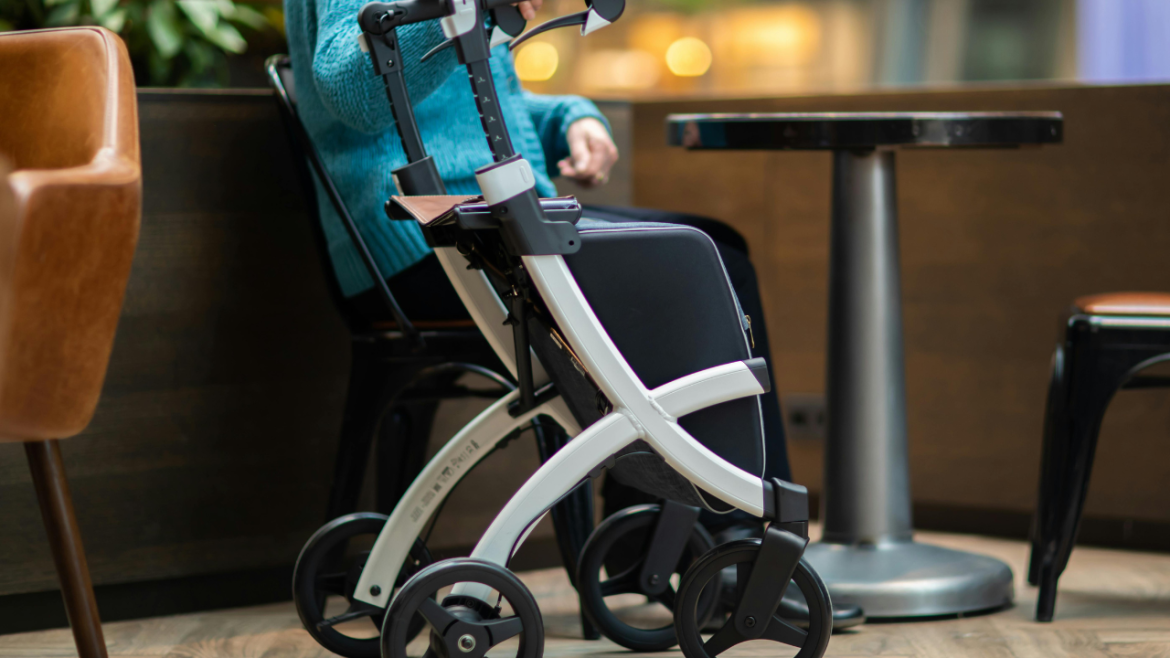
For seniors who are more active and capable of managing a faster pace, rollators offer a higher level of mobility. These walkers typically feature four wheels, hand brakes, and a built-in seat, making them both functional and versatile.
The wheels allow for smooth movement across various surfaces, including indoor floors and outdoor pathways. This design encourages a more natural walking pattern, which can help seniors feel less restricted.
One of the most valuable features of a rollator is the built-in seat. This allows individuals to take breaks whenever needed, which can be especially helpful during longer outings. The ability to rest provides reassurance and encourages seniors to remain active without fear of exhaustion.
However, rollators require good balance and coordination. Because they move freely, users must be able to control the walker using the hand brakes. For individuals who feel unsteady, this design may feel less secure than other options.
Considering Comfort and Fit
Beyond the type of walker, comfort and proper fit play a crucial role in determining what type of walker is best. A walker that does not fit correctly can lead to discomfort, poor posture, and even increased risk of injury.
The height of the walker should allow the user to stand upright with a slight bend in the elbows. This position promotes proper alignment and reduces strain on the back and shoulders. Handles should feel comfortable to grip, especially for seniors with arthritis or reduced hand strength.
Lightweight materials can also make a difference. Walkers that are easier to maneuver encourage consistent use, while heavier designs may feel cumbersome and discouraging.
Taking time to adjust and test different options ensures that the walker feels like a natural extension of movement rather than an obstacle.
Matching the Walker to Daily Life
Another important factor in choosing the best walker involves understanding how it will be used in everyday life. Seniors who primarily move within their homes may require a different type of walker than those who enjoy spending time outdoors.
Narrow hallways, small bathrooms, and tight spaces may require a compact design that is easy to maneuver. On the other hand, outdoor use may benefit from larger wheels and smoother mobility.
Daily routines also play a role. Individuals who enjoy longer walks or social outings may prefer a walker that offers both mobility and the ability to rest. Those who require more support during short movements may prioritize stability above all else.
By considering these factors, families can select a walker that aligns with both physical needs and lifestyle preferences.
Supporting Confidence and Independence
Ultimately, the question of what type of walker is best goes beyond features and design. It is about finding a solution that supports confidence, safety, and independence in everyday life.
A well-chosen walker allows seniors to continue engaging with their surroundings without fear. It provides the support needed to move freely while maintaining dignity and self-reliance.
For many individuals, the right walker becomes more than a mobility aid. It becomes a source of reassurance, enabling them to navigate their environment with greater ease and comfort.
By approaching this decision with care and understanding, families can help ensure that seniors remain active, confident, and connected to the world around them.