
How To Stay Active As You Age
Staying active as you age is not simply about maintaining physical strength, but about preserving independence, confidence, and a meaningful connection to daily life. As the body changes over time, movement may begin to feel different, sometimes slower or more deliberate, yet it remains just as essential as ever. In fact, remaining active becomes even more important in later years because it supports both physical health and emotional well-being.
Many seniors worry that aging naturally leads to inactivity, but this belief often creates unnecessary limitations. While it is true that the body requires more care and attention, it is also true that consistent movement can improve flexibility, strength, and endurance in ways that feel both empowering and achievable.
Understanding how to stay active as you age begins with shifting the mindset from restriction to possibility. Movement does not have to be intense or exhausting to be effective. Instead, it should feel sustainable, enjoyable, and aligned with your current abilities.
Listening to Your Body While Staying Consistent
One of the most important aspects of staying active later in life is learning how to listen to your body while maintaining consistency. As people age, the body communicates its needs more clearly, whether through stiffness, fatigue, or discomfort. These signals should not be ignored, but they also should not discourage movement entirely.
Finding a balance between rest and activity is essential. Gentle, consistent movement often produces better results than occasional bursts of intense exercise. When seniors engage in regular activity, even at a moderate level, the body adapts gradually, becoming more resilient over time.
For example, a short daily walk may seem simple, yet it contributes significantly to cardiovascular health, joint mobility, and mental clarity. Over time, these small efforts create a strong foundation that supports overall well-being.
Consistency also builds confidence. When seniors establish a routine of movement, they begin to trust their bodies again, which can reduce fear of injury and encourage continued activity.
The Role of Strength and Flexibility
As aging progresses, maintaining muscle strength and flexibility becomes increasingly important. Muscles naturally weaken over time, and joints may become less flexible if they are not regularly used. However, these changes can be slowed and even improved with gentle, intentional movement.
Strength supports everyday tasks such as standing, lifting, and maintaining balance. Without it, simple activities may begin to feel challenging. Flexibility, on the other hand, allows the body to move comfortably and reduces the risk of stiffness or injury.
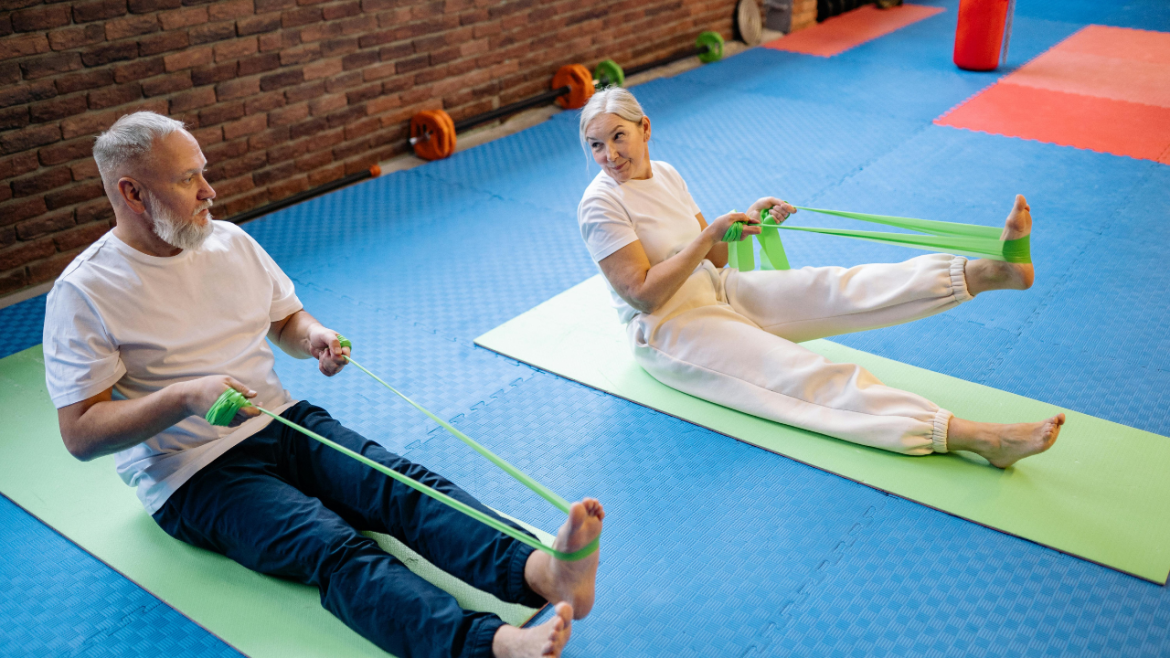
Engaging in activities that promote both strength and flexibility helps the body function more efficiently. Stretching, light resistance exercises, and controlled movements all contribute to maintaining physical capability.
As these abilities improve, seniors often experience a renewed sense of independence. Tasks that once felt difficult may become easier, allowing individuals to remain active participants in their own lives.
Staying Active Through Enjoyable Activities
One of the most effective ways to stay active as you age is to choose activities that feel enjoyable rather than forced. When movement is associated with pleasure, it becomes something to look forward to rather than something to avoid.
Some seniors find joy in walking through nature, while others enjoy dancing, gardening, or participating in group fitness classes designed for older adults. The specific activity matters less than the emotional connection to it.
Enjoyable activities also provide mental stimulation. When seniors engage in movement that feels meaningful, they remain mentally present and engaged, which enhances both physical and cognitive health.
In addition, activities that bring joy often encourage social interaction. Joining a walking group or attending a class creates opportunities to connect with others, which further supports emotional well-being.
Over time, these experiences create a lifestyle where movement feels natural and fulfilling.
The Emotional Benefits of Staying Active
Physical activity offers significant emotional benefits that are sometimes overlooked. Movement helps reduce stress, improve mood, and create a sense of accomplishment. These emotional shifts can be especially important for seniors who may experience changes in routine or social interaction.
When the body moves, the brain releases chemicals that promote feelings of happiness and relaxation. This natural response can help counteract feelings of anxiety or sadness that sometimes accompany aging.
Staying active also provides a sense of purpose. Setting small goals, such as walking a certain distance or maintaining a routine, creates a feeling of progress and achievement. These accomplishments, no matter how small they may seem, contribute to a positive outlook on life.
As seniors continue to engage in movement, they often feel more connected to themselves and their environment. This connection reinforces a sense of vitality and presence.
Adapting to Changes While Moving Forward
Aging inevitably brings changes, but those changes do not have to limit activity. Instead, they offer an opportunity to adapt and explore new ways of staying active that align with current abilities.
For example, individuals who once participated in high-impact sports may transition to lower-impact activities that are gentler on the joints. This adaptation allows movement to continue without unnecessary strain.
Listening to the body and making thoughtful adjustments ensures that activity remains safe and sustainable. It also reinforces the idea that staying active is not about maintaining past abilities but about embracing present capabilities.
This shift in perspective allows seniors to move forward with confidence rather than hesitation.
Creating a Sustainable Active Lifestyle
Staying active as you age is not about achieving perfection or following a strict routine. It is about creating a lifestyle that supports movement in a way that feels natural and consistent.
Incorporating activity into daily life, whether through walking, stretching, or engaging in hobbies, helps ensure that movement remains a regular part of each day. These small actions accumulate over time, leading to lasting benefits.
Support from family, caregivers, or community groups can also play an important role. Encouragement and shared experiences make it easier to maintain motivation and consistency.
Ultimately, the goal is not just to stay active but to feel capable, confident, and connected to life.
Moving Through Life with Strength and Confidence
Understanding how to stay active as you age is about more than physical health. It is about preserving independence, maintaining emotional balance, and continuing to engage with the world in meaningful ways.
Movement becomes a tool for living fully, allowing seniors to experience life with strength, resilience, and purpose. Each step, stretch, or moment of activity contributes to a greater sense of well-being.
As the body continues to change, the ability to move remains a powerful reminder that growth and vitality are still possible. With patience, consistency, and a positive mindset, staying active becomes not just achievable, but deeply rewarding at every stage of life.