
Benefits Of Music In Older Adults
Music has a unique ability to reach parts of the human experience that words alone often cannot touch, and for older adults, this connection can become even more meaningful over time. As individuals age, they carry decades of memories, emotions, and experiences, many of which are closely tied to sound. A familiar melody can instantly transport someone back to a moment that once defined who they were, allowing them to feel present in both the past and the present at the same time.
Because of this deep connection, music becomes far more than entertainment. It becomes a bridge between memory, identity, and emotional well-being. For seniors, especially those navigating changes in health or lifestyle, this connection can provide comfort and stability during uncertain moments.
Understanding the benefits of music in older adults reveals just how powerful this simple yet profound tool can be in supporting mental, emotional, and even physical health.
Music and Memory Connection
One of the most remarkable benefits of music for older adults is its ability to stimulate memory. Even in individuals experiencing cognitive decline, such as those living with dementia, music often remains accessible when other forms of memory begin to fade.
When seniors hear songs from their earlier years, the brain activates regions associated with long-term memory and emotional recall. These songs can unlock vivid memories, allowing individuals to remember faces, places, and experiences that may otherwise feel distant or unclear.
This process can be incredibly emotional. A song played during a wedding, a childhood lullaby, or a favorite radio tune can spark a sense of familiarity that brings comfort and joy. For caregivers and family members, these moments can feel like reconnecting with a loved one who briefly returns to themselves.
Music provides a pathway back to identity. It reminds seniors of who they are beyond their current challenges, helping them feel grounded in their personal history.
Emotional Regulation and Mood Improvement
Beyond memory, music plays a significant role in regulating emotions and improving mood. As seniors face life transitions such as retirement, health changes, or the loss of loved ones, emotional challenges can arise. Feelings of loneliness, anxiety, or sadness may become more frequent during this stage of life.
Music offers a gentle and natural way to shift emotional states. Calming melodies can reduce stress and create a sense of peace, while more upbeat rhythms can lift spirits and encourage positive energy. This emotional flexibility allows seniors to move through their feelings rather than becoming overwhelmed by them.
Listening to music can also provide a sense of companionship. In moments when social interaction is limited, music fills the silence with something familiar and comforting. It becomes a steady presence that helps reduce feelings of isolation.
Over time, incorporating music into daily life can contribute to a more balanced emotional state and a greater sense of overall well-being.
Enhancing Cognitive Function and Focus
Music also supports cognitive health by engaging multiple areas of the brain simultaneously. When seniors listen to or participate in music, they activate regions responsible for attention, memory, and processing speed.
This mental stimulation helps keep the brain active and responsive. Activities such as singing along to lyrics, following a rhythm, or learning a new piece of music require focus and coordination. These tasks encourage the brain to remain engaged in ways that feel enjoyable rather than demanding.
For seniors experiencing mild cognitive changes, music can serve as a gentle form of mental exercise. It encourages concentration without creating pressure or frustration. As a result, seniors often feel more confident in their ability to stay mentally active.
Additionally, music can improve attention span. Listening carefully to melodies or lyrics requires sustained focus, which can strengthen cognitive endurance over time.
Physical Benefits and Movement
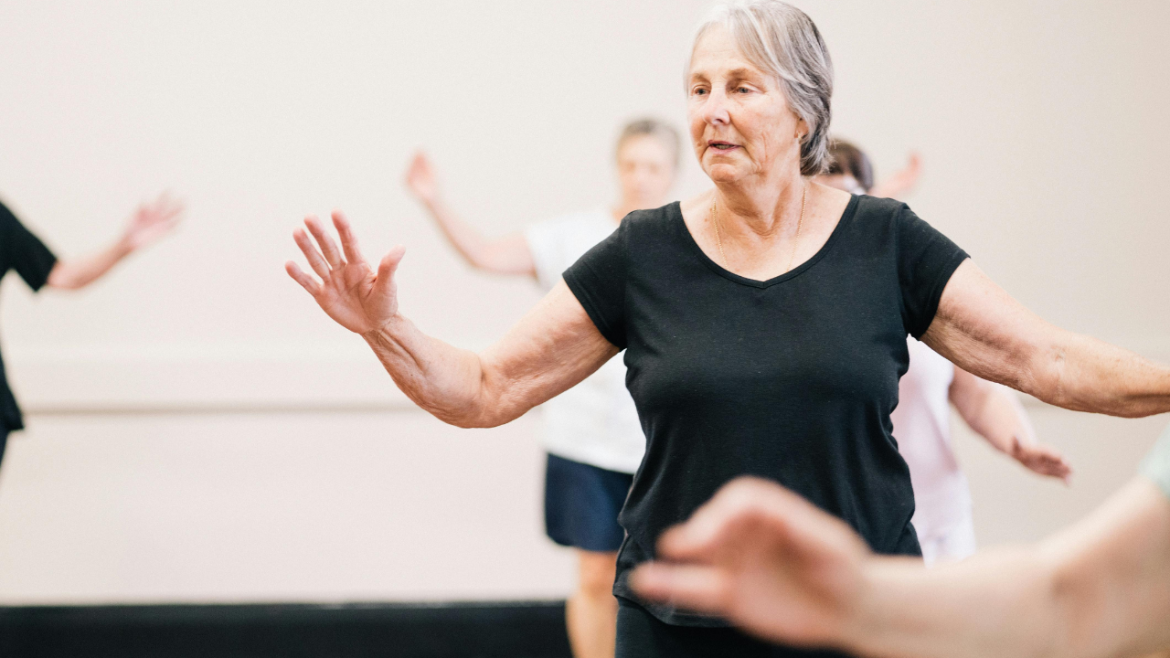
While music is often associated with mental and emotional health, it also offers physical benefits that are equally important. Music naturally encourages movement, whether through tapping a foot, clapping hands, or engaging in light dance.
These small movements can improve coordination, balance, and circulation. For seniors, maintaining physical activity is essential for preserving mobility and independence. Music provides a motivating and enjoyable way to stay active without feeling like exercise.
In some cases, music therapy is used to support rehabilitation and movement in individuals recovering from illness or injury. The rhythm of music can help guide movement patterns, making physical activity feel more natural and less strenuous.
As seniors move in response to music, they often experience a sense of freedom and joy that reinforces the connection between body and mind.
Strengthening Social Connection
Music also has a powerful ability to bring people together. Whether through group singing, shared playlists, or attending musical events, it creates opportunities for connection and interaction.
For older adults, social engagement is a critical component of mental health. When seniors participate in music-related activities with others, they experience a sense of belonging that can reduce feelings of loneliness.
Conversations often emerge around shared musical interests. A familiar song may spark storytelling, laughter, or reflection, allowing individuals to connect on a deeper level. These interactions strengthen relationships and create meaningful moments that extend beyond the activity itself.
Music transforms social interaction into something more engaging and emotionally rich.
Creating Comfort and Routine
In addition to its many active benefits, music can also provide structure and comfort in daily life. Incorporating music into a routine helps create predictable moments that seniors can look forward to each day.
For example, playing calming music in the morning can set a peaceful tone, while listening to favorite songs in the evening can encourage relaxation. These consistent patterns help establish a sense of rhythm within the day, which can be especially beneficial for individuals experiencing cognitive challenges.
Music can also ease transitions between activities. Moving from one part of the day to another may feel less overwhelming when accompanied by familiar sounds.
Over time, these routines create a sense of stability that supports both emotional and mental well-being.
A Lasting Source of Joy and Identity
Ultimately, the benefits of music in older adults extend far beyond simple enjoyment. Music serves as a powerful tool for maintaining memory, improving mood, supporting cognitive function, encouraging movement, and fostering social connection.
Perhaps most importantly, music helps preserve a sense of identity. It reminds seniors of their life experiences, their relationships, and the moments that shaped who they are.
As the years pass and life continues to change, music remains a constant source of comfort and joy. It provides a way to stay connected to oneself and to others, even in the face of challenges.
For seniors, music is not just something to hear. It is something to feel, remember, and carry forward, offering a meaningful connection to life that continues to resonate at every stage of aging.