
How To Help Seniors Who Struggle To Walk
Struggling to walk is one of the most emotionally challenging changes many seniors face. What once felt automatic now requires effort, balance, and constant awareness.
For older adults, difficulty walking is not just a physical limitation. It can quietly reshape confidence, independence, and how they see themselves in the world. Understanding how to help seniors who struggle to walk begins with recognizing the emotional weight behind each unsteady step.
Why Walking Becomes Difficult With Age
Walking relies on a complex interaction between muscles, joints, balance, vision, and neurological signals. As people age, these systems naturally change. Muscle strength decreases, joints stiffen, and balance reactions slow. Even small changes can make walking feel uncertain.
Chronic conditions such as arthritis, neuropathy, stroke effects, or circulation issues often intensify these challenges. Seniors may feel frustrated when their body no longer responds the way it once did. This frustration can lead to fear, which further affects movement. When walking feels unsafe, hesitation increases, and confidence begins to fade.
The Emotional Impact of Mobility Loss
Mobility is deeply tied to identity. For many seniors, walking represents freedom, self-sufficiency, and dignity. When walking becomes difficult, seniors may feel embarrassed or ashamed. They may avoid outings or social situations to hide their struggle.
This withdrawal often goes unnoticed at first. Loved ones may assume the senior is simply resting more or prefers staying home. In reality, fear of falling or appearing weak is often driving these choices. Emotional support becomes just as important as physical assistance in these moments.
Fear of Falling Changes How Seniors Move
Fear plays a powerful role in walking difficulties. After one fall or near-miss, seniors may become hyperaware of every step. Muscles tense, posture stiffens, and natural movement patterns change. Ironically, this tension increases the risk of falling.
Helping seniors who struggle to walk means addressing fear gently. Reassurance, patience, and calm encouragement help reduce anxiety. When seniors feel emotionally safe, their bodies often move more naturally. Confidence slowly returns when fear is acknowledged rather than dismissed.
Creating a Sense of Safety Without Taking Control
Safety is essential, but it must be balanced with respect for autonomy. Seniors often resist help if it feels controlling or infantilizing. Being overly directive can increase resistance and emotional distress.
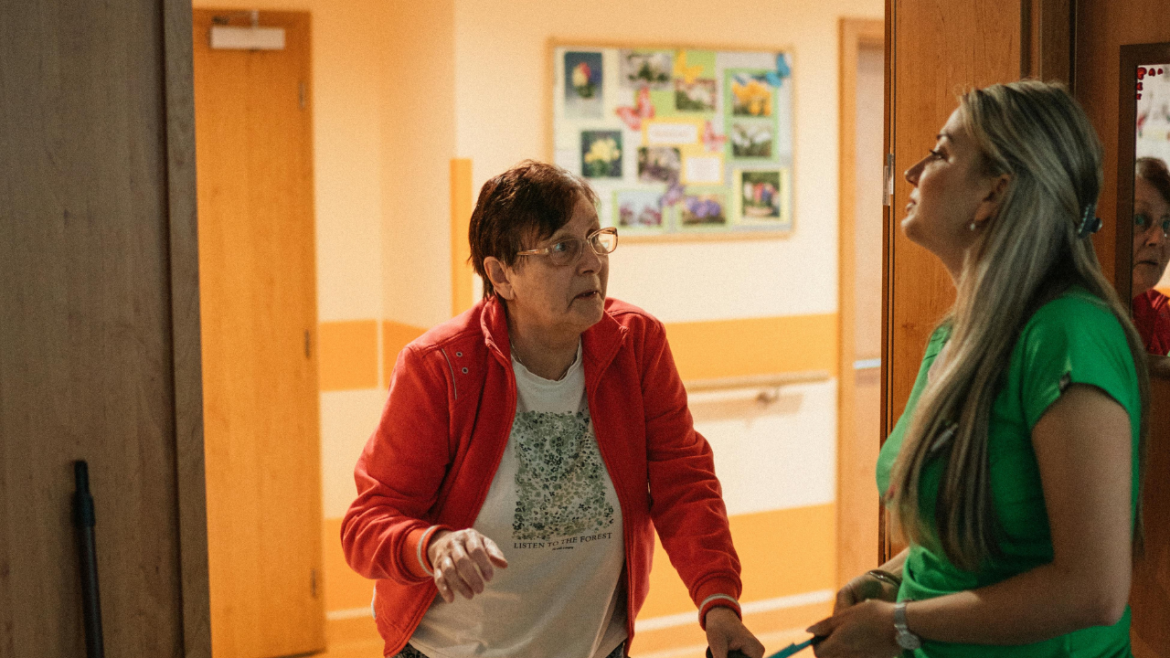
Support works best when it feels collaborative. Walking alongside rather than ahead, offering an arm rather than pulling, and allowing seniors to set the pace preserves dignity. When seniors feel respected, they are more open to accepting assistance. This trust strengthens both safety and emotional wellbeing.
Encouraging Movement Without Pressure
Avoiding movement can worsen walking difficulties. Muscles weaken further, balance declines, and confidence erodes. However, pushing seniors to move before they feel ready can increase fear. The key is encouragement without pressure.
Gentle movement reinforces strength and balance while rebuilding trust in the body. When seniors experience small successes, such as walking a short distance comfortably, confidence grows. These moments matter deeply. They remind seniors that progress is still possible.
How Environment Influences Mobility
The environment plays a significant role in walking confidence. Clutter, poor lighting, uneven surfaces, and distractions increase fall risk and anxiety. Seniors may feel overwhelmed navigating spaces that once felt familiar.
Creating calmer, predictable environments helps seniors focus on movement rather than hazards. When surroundings feel supportive, walking becomes less stressful. This sense of environmental safety reduces hesitation and improves overall mobility.
Listening to What Seniors Are Not Saying
Seniors who struggle to walk may not always voice their concerns directly. They may downplay pain, avoid conversations about mobility, or insist they are managing fine. Listening closely to behavior changes often reveals more than words.
Noticing reluctance to leave home, increased fatigue, or changes in posture provides valuable insight. Compassionate conversations open the door to support. When seniors feel heard rather than judged, they are more likely to share what they are experiencing.
Emotional Support Builds Physical Strength
Emotional wellbeing and physical ability are deeply connected. Seniors who feel supported are more motivated to stay active. Encouragement builds resilience. Feeling believed in can be as powerful as any physical intervention.
Simple expressions of confidence, patience during slow moments, and celebrating effort rather than speed reinforce self-worth. These emotional cues help seniors reconnect with their bodies in a positive way. Over time, emotional strength supports physical improvement.
Helping Seniors Reclaim Confidence
Helping seniors who struggle to walk is not about fixing them. It is about walking alongside them, both literally and emotionally. Progress may be slow, uneven, and unpredictable. What matters most is consistency and compassion.
When seniors feel safe, respected, and supported, their confidence grows. Walking becomes less about fear and more about possibility. Even when mobility does not fully return, dignity and independence can still thrive.
In the end, helping a senior walk better also means helping them feel seen, capable, and valued. With understanding, patience, and empathy, each step forward becomes a shared victory, restoring not just movement, but confidence and connection as well.