
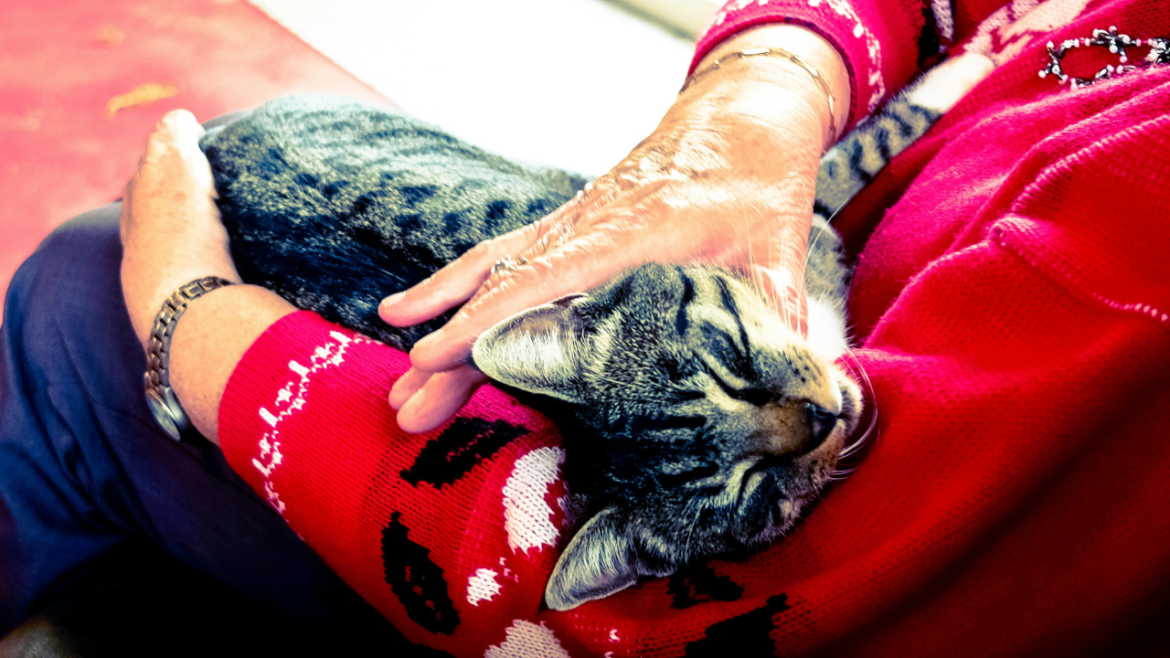
Why Seniors Get Attached To Pets In Their Older Age
Understanding why seniors get attached to pets in their older age begins with recognizing how powerful companionship becomes later in life. As people grow older, many aspects of daily life begin to change in meaningful ways. Retirement may reduce social interaction, children often move away to build their own families, and longtime friends or spouses may no longer be present in the same way they once were. During these transitions, emotional connection becomes more important than ever.
Pets often fill that emotional space in a natural and comforting way. Unlike human relationships that sometimes involve complicated expectations, pets offer unconditional companionship. A dog greeting its owner at the door or a cat curling beside someone in a quiet moment creates a feeling of presence that can ease loneliness. Because of this simple but powerful bond, seniors often develop deep attachments to their pets.
Over time, this connection becomes woven into daily routines. Feeding a pet in the morning, walking outside together, or simply sitting together during the evening becomes a rhythm that brings comfort and familiarity.
Combating Loneliness And Isolation
Another important reason seniors grow attached to pets involves the way animals help reduce loneliness. Social isolation is a challenge that many older adults experience, particularly when mobility limitations or health concerns make it harder to attend gatherings or travel frequently.
Pets create companionship that does not rely on complicated planning or transportation. Their presence alone can make a home feel more alive and welcoming. A senior living alone may find comfort simply hearing the soft movement of a pet walking across the room or feeling the warmth of an animal resting nearby.
Furthermore, pets often encourage social interaction with others. Walking a dog in the neighborhood may lead to friendly conversations with neighbors or other pet owners. Even brief exchanges can help seniors feel connected to their communities. Over time, these small moments of interaction build a sense of belonging that helps reduce feelings of isolation.
Providing Routine And Purpose
A sense of purpose plays an important role in emotional wellbeing during the later stages of life. When individuals retire from long careers or experience significant lifestyle changes, they may struggle with the feeling that their daily responsibilities have diminished. Pets naturally introduce structure and responsibility that can help restore that sense of purpose.
Caring for an animal involves regular tasks such as feeding, grooming, and ensuring the pet receives attention and exercise. These routines give seniors something meaningful to focus on each day. Knowing that a pet relies on them for care often strengthens motivation to remain active and engaged.
Additionally, pets provide emotional feedback that reinforces this sense of purpose. When a dog wags its tail with excitement or a cat purrs contentedly while being stroked, seniors often feel appreciated and valued. These moments create a cycle of affection that deepens the bond between human and animal.
The Physical And Mental Health Benefits
While emotional companionship is central to the relationship between seniors and their pets, there are also significant health benefits associated with this connection. Studies have shown that interacting with animals can reduce stress hormones while increasing the production of chemicals linked to happiness and relaxation.
For many seniors, pets encourage gentle physical activity that supports overall health. Walking a dog or playing with a pet stimulates movement that improves circulation and cardiovascular health. Even light activities such as brushing a pet or cleaning a litter box can promote flexibility and coordination.
Mental stimulation is another valuable benefit. Talking to pets, responding to their behavior, and maintaining care routines help keep the mind engaged. Seniors living with mild cognitive changes may find comfort in the predictable presence of a pet that provides reassurance and familiarity.
Furthermore, the calming influence of animals can help ease anxiety and depression. Simply petting an animal has been shown to lower blood pressure and create a sense of calm. These effects can contribute to a more balanced emotional state throughout the day.
Emotional Healing Through Unconditional Love
One of the most profound reasons seniors become attached to pets is the unique form of unconditional love animals provide. Human relationships often involve complex emotions, misunderstandings, or changing circumstances. Pets, however, offer affection without judgment or expectation.
This unconditional connection can be deeply healing for individuals who have experienced loss or major life transitions. Seniors who have lost spouses or close friends sometimes find comfort in the steady companionship of a pet that remains consistently present.
In addition, pets respond directly to emotional cues. Animals often sense when their owners are sad, anxious, or tired, and they may respond by staying close or seeking physical contact. This intuitive support creates a sense of emotional understanding that many seniors find incredibly comforting.
Over time, this connection often becomes a source of resilience. Seniors who share their homes with pets frequently report feeling less alone and more emotionally supported during difficult moments.
A Relationship That Enriches Later Life
Ultimately, understanding why seniors get attached to pets in their older age reveals something fundamental about human nature. People thrive when they feel connected, valued, and needed. Pets offer all three of these experiences in a way that is simple, sincere, and deeply meaningful.
The relationship between seniors and their animals goes far beyond companionship. It provides routine, emotional comfort, gentle activity, and a sense of purpose that enriches daily life. Through quiet moments of affection and shared routines, pets help transform ordinary days into experiences filled with warmth and connection.
In the end, the bond between seniors and their pets represents more than attachment. It reflects the enduring human need for love, companionship, and belonging at every stage of life.