
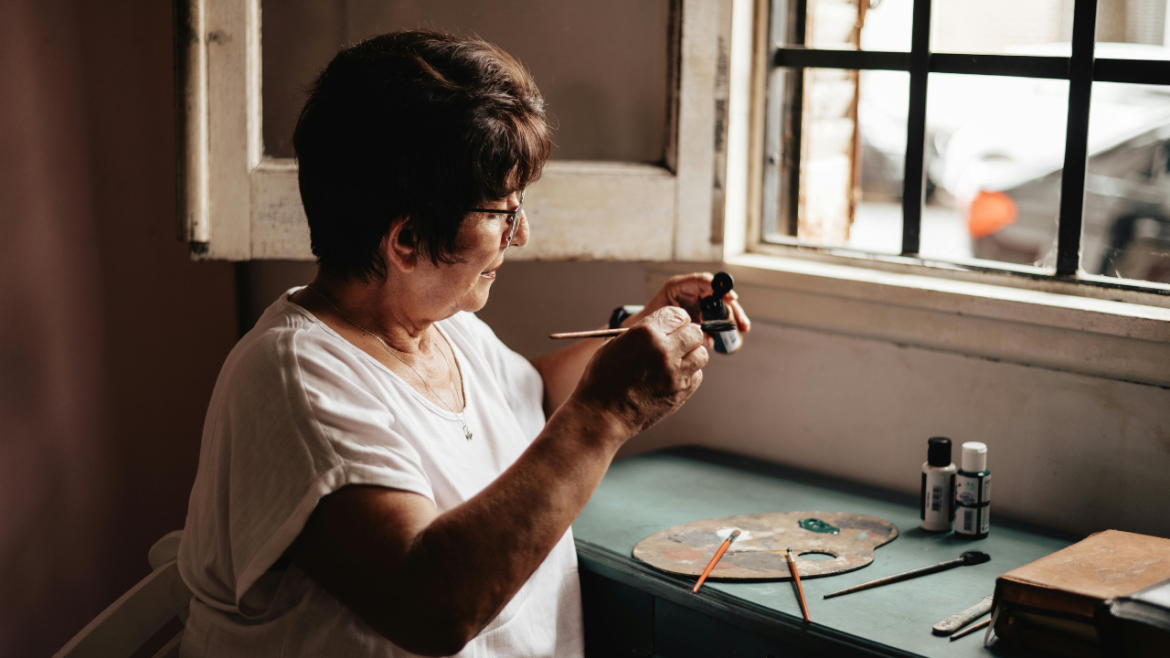
Why Painting Helps Seniors With Anxiety
As individuals grow older, emotional challenges can sometimes become more complex and less visible, especially when anxiety quietly settles into daily life. Many seniors experience changes that can contribute to anxious feelings, including shifts in health, routine, independence, and social connection. Although these feelings may not always be openly discussed, they can influence sleep, mood, and overall well-being in meaningful ways.
Anxiety in older adults often appears differently than it does in younger individuals. Instead of obvious restlessness or panic, it may present as constant worry, irritability, or a lingering sense of unease. Over time, these emotions can create a cycle that feels difficult to break, particularly when seniors feel unsure of how to express what they are experiencing.
This is where creative activities, such as painting, begin to play an important role. Understanding why painting helps seniors with anxiety reveals how gentle, expressive outlets can bring comfort and emotional balance during uncertain moments.
The Calming Effect of Creative Focus
One of the most immediate benefits of painting is the way it encourages focus on the present moment. When a senior begins to paint, their attention naturally shifts toward colors, shapes, and the movement of the brush. This process gently pulls the mind away from anxious thoughts and into a calmer, more controlled space.
Unlike activities that require strict rules or outcomes, painting allows for freedom. There is no pressure to achieve perfection, which makes it easier for seniors to relax and engage without fear of making mistakes. This sense of openness creates a mental environment where anxiety begins to soften.
As the brush moves across the canvas, repetitive motions and visual engagement create a soothing rhythm. This rhythm can slow racing thoughts and promote a sense of inner stillness. Over time, this calming effect becomes something seniors can return to whenever anxiety begins to surface.
The act of painting becomes a quiet refuge, offering moments of peace that feel both natural and restorative.
Emotional Expression Without Words
For many seniors, expressing emotions verbally can feel challenging, especially when those emotions are complex or difficult to explain. Painting offers a different kind of language, one that does not rely on words but instead uses color, texture, and form to communicate feelings.
Through painting, seniors can express emotions that might otherwise remain unspoken. A choice of colors, the intensity of brushstrokes, or the overall composition can reflect internal experiences in a way that feels safe and personal.
This form of expression can be especially valuable for individuals who feel overwhelmed by anxiety. Rather than trying to explain their feelings, they can release them onto the canvas, creating a sense of relief and emotional release.
Over time, this process helps seniors better understand their own emotions. It allows them to acknowledge what they are feeling without judgment, which is an important step toward emotional healing.
Building Confidence Through Creativity
Anxiety often diminishes confidence, making individuals feel uncertain about their abilities or hesitant to try new things. Painting provides an opportunity to rebuild that confidence in a gentle and supportive way.
Each completed piece, no matter how simple, represents an accomplishment. Seniors can see their progress, explore their creativity, and take pride in what they have created. This sense of achievement reinforces the idea that they are still capable of learning, growing, and expressing themselves.
As confidence begins to return, anxiety often loses some of its intensity. Seniors may feel more willing to engage in other activities, connect with others, and approach daily life with a renewed sense of purpose.
Painting becomes more than a creative outlet. It becomes a pathway toward rediscovering self-belief and personal strength.
Encouraging Mindfulness and Presence
Another important reason why painting helps seniors with anxiety is its ability to encourage mindfulness. Mindfulness involves focusing on the present moment without judgment, which can be particularly helpful for individuals who struggle with persistent worry.
When seniors paint, they naturally become more aware of their actions and surroundings. They notice the way colors blend, how the brush feels in their hand, and how each stroke contributes to the overall image. This awareness draws attention away from anxious thoughts and into the present experience.
As this practice continues, seniors may find it easier to remain grounded in other areas of life as well. The skills developed through painting can translate into a greater ability to manage stress and maintain emotional balance.
Mindfulness through painting offers a gentle yet powerful way to reduce anxiety and promote inner calm.
Creating Opportunities for Connection
While painting can be a deeply personal activity, it also has the potential to create meaningful social connections. Many seniors participate in group art classes or share their work with family and friends, which fosters a sense of community and belonging.
These interactions provide opportunities for conversation, encouragement, and shared experiences. Discussing artwork or creating alongside others helps reduce feelings of isolation, which often contribute to anxiety.
For seniors who may feel disconnected from their social circles, painting offers a way to reconnect. It creates a common ground where individuals can engage with others in a relaxed and supportive environment.
These connections strengthen emotional well-being and reinforce the idea that seniors are not alone in their experiences.
A Gentle Path Toward Emotional Balance
Ultimately, understanding why painting helps seniors with anxiety highlights the importance of creative expression as a tool for emotional health. Painting provides a safe and accessible way to reduce stress, express feelings, and build confidence, all while encouraging mindfulness and connection.
Rather than relying solely on traditional approaches, incorporating creative activities allows seniors to explore new ways of caring for their mental well-being. These moments of creativity become opportunities for healing, growth, and self-discovery.
As seniors continue to engage with painting, they often find that anxiety becomes more manageable. The canvas becomes a space where emotions can be explored and released, allowing for greater clarity and peace.
In the end, painting offers more than artistic expression. It offers comfort, connection, and a gentle reminder that even in moments of uncertainty, there is always a way to create something meaningful and calming within oneself.