
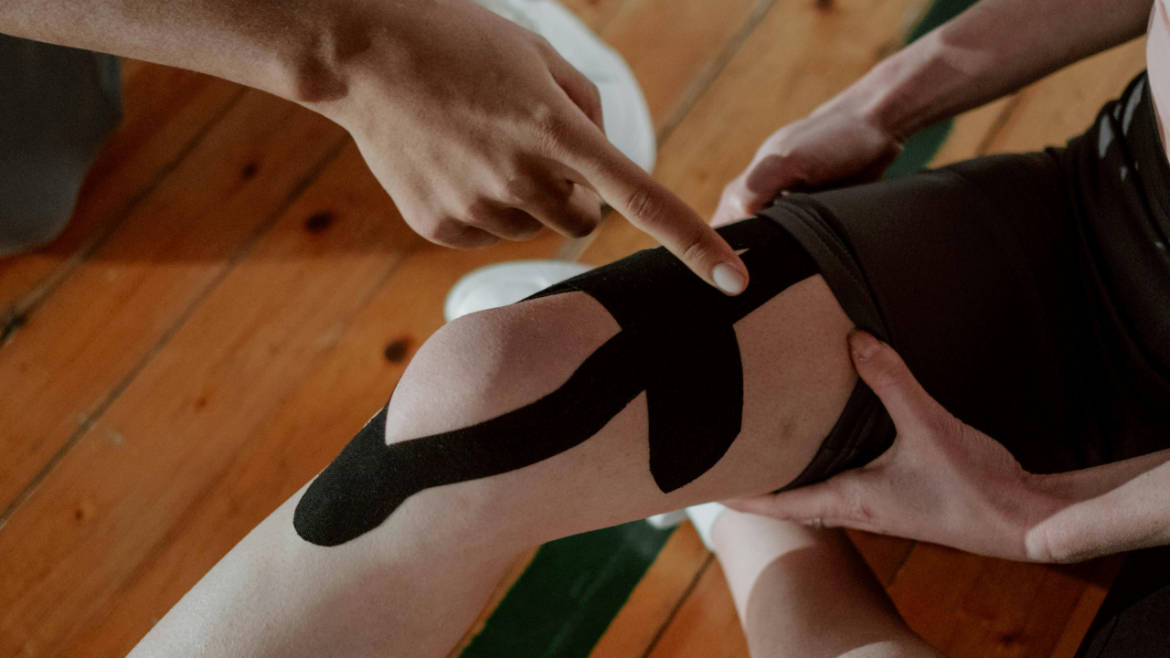
What To Know About Seniors When They Are Recovering From Knee Surgery
Recovering from knee surgery can be a significant transition for seniors, both physically and emotionally, as it often requires patience, support, and a gradual return to daily routines. While the surgery itself may bring relief from long-term pain or mobility issues, the healing process introduces new challenges that require careful attention and understanding.
For many older adults, the recovery period is not just about healing the knee. It is about regaining independence, rebuilding strength, and restoring confidence in movement. This journey can feel overwhelming at times, especially when progress seems slow or inconsistent. However, with the right approach, recovery can become a meaningful step toward improved quality of life.
Understanding what to know about seniors when they are recovering from knee surgery allows families and caregivers to provide thoughtful support while encouraging steady progress.
The Physical Healing Process and Patience
Healing after knee surgery takes time, and for seniors, this timeline may extend longer than expected due to age-related factors. The body’s natural healing abilities may slow down over time, which means progress often occurs in small, gradual steps rather than rapid improvements.
In the early stages, swelling and discomfort are common. These symptoms can make movement feel difficult, even when the surgery itself was successful. It is important to recognize that this discomfort is part of the healing process and does not necessarily indicate a problem.
As the days and weeks pass, the focus shifts toward regaining mobility. Physical therapy often plays a central role in this phase, helping seniors rebuild strength and improve range of motion. While these exercises may feel challenging, they are essential for long-term recovery.
Patience becomes one of the most valuable tools during this time. Each small improvement, whether it is bending the knee slightly more or walking a few additional steps, represents meaningful progress.
Managing Pain and Discomfort
Pain management is another important aspect of recovery. While knee surgery aims to reduce long-term discomfort, the immediate aftermath often involves temporary pain that must be carefully managed.
For seniors, this experience can feel discouraging, especially if they expected immediate relief. However, understanding that post-surgical pain is temporary helps create a more realistic perspective.
Medications, proper rest, and gentle movement all contribute to managing discomfort. Following medical guidance ensures that pain is controlled effectively without interfering with the healing process.
It is also important to pay attention to how the body responds. Persistent or worsening pain should be addressed promptly, as it may signal a need for adjustment in the recovery plan.
By managing pain thoughtfully, seniors can focus more fully on rebuilding strength and mobility.
Restoring Mobility and Confidence
One of the most emotional aspects of recovering from knee surgery involves regaining the ability to move with confidence. For many seniors, the fear of falling or reinjuring the knee can create hesitation, even when physical healing is progressing.
This fear is completely understandable. Movement that once felt natural may now feel uncertain, which can lead to cautious or restricted activity. However, gradually reintroducing movement is essential for rebuilding both physical strength and emotional confidence.
Assistive devices such as walkers or canes may provide additional support during this phase. These tools help seniors feel more secure while navigating their environment.
As strength improves, confidence often begins to return. Each successful step reinforces the idea that recovery is possible and that independence can be regained.
Encouragement from caregivers and loved ones plays a significant role in this process, helping seniors feel supported as they move forward.
The Importance of a Supportive Environment
Creating a safe and supportive environment is crucial for a successful recovery. Simple adjustments within the home can make a significant difference in both comfort and safety.
Reducing tripping hazards, ensuring adequate lighting, and arranging frequently used items within easy reach all contribute to a more accessible space. These changes allow seniors to move more freely without unnecessary strain or risk.
In addition to physical adjustments, emotional support is equally important. Recovery can feel isolating at times, especially when mobility is limited. Regular communication, encouragement, and companionship help seniors stay motivated and connected.
Caregivers who approach recovery with patience and understanding create an environment where seniors feel both supported and empowered.
Emotional Challenges and Mental Resilience
While physical healing is often the primary focus, emotional well-being should not be overlooked. Recovering from knee surgery can bring feelings of frustration, impatience, or even discouragement, particularly when progress feels slower than expected.
Seniors may struggle with temporary loss of independence, which can affect their sense of identity and confidence. Acknowledging these feelings is an important part of the healing process.
Encouraging a positive outlook while remaining realistic about the challenges helps build mental resilience. Celebrating small achievements and recognizing progress, no matter how minor, can shift the focus from limitations to possibilities.
Over time, this mindset supports both emotional and physical recovery, creating a more balanced experience.
Returning to Daily Life and Long-Term Strength
As recovery progresses, seniors gradually return to their daily routines. This transition often brings a renewed sense of independence and accomplishment, as activities that once felt difficult become manageable again.
However, maintaining long-term strength requires continued effort. Regular movement, gentle exercise, and attention to overall health help preserve the improvements gained during recovery.
For many seniors, knee surgery becomes a turning point. It offers an opportunity to improve mobility and reduce pain, allowing them to engage more fully in life.
By continuing to prioritize health and activity, seniors can build on this progress and enjoy greater freedom in their daily experiences.
Supporting a Meaningful Recovery
Understanding what to know about seniors when they are recovering from knee surgery involves recognizing both the physical and emotional aspects of healing. Recovery is not a single moment but a journey that unfolds over time, requiring patience, support, and determination.
With proper care, encouragement, and a supportive environment, seniors can navigate this process successfully. Each step forward, no matter how small, contributes to a larger goal of restored mobility and improved quality of life.
Ultimately, recovery is about more than healing the knee. It is about helping seniors rediscover their strength, rebuild their confidence, and continue living with independence and purpose.