
The Importance Of Skin Care For Seniors
The importance of skin care for seniors becomes increasingly clear as the body naturally changes over time and the skin grows thinner, drier, and more fragile. While youthful skin often recovers quickly from minor irritation or environmental exposure, aging skin requires more intentional protection and nourishment to remain healthy. As collagen production decreases and natural oil glands slow down, the skin loses elasticity and moisture, which can lead to cracking, itching, and increased vulnerability to injury.
Because the skin serves as the body’s largest protective barrier, maintaining its integrity is essential for overall health. When skin becomes compromised, even small tears or pressure points can escalate into infections or painful sores. Therefore, proper skin care is not simply about appearance; it is a critical component of senior wellness and comfort.
How Aging Changes The Skin
As individuals grow older, the layers of the skin gradually thin, and blood flow to the surface decreases. This reduction in circulation slows healing and makes bruising more noticeable. At the same time, decreased oil production contributes to persistent dryness, which can cause flaking and discomfort.
Furthermore, long-term sun exposure accumulated over decades may surface in the form of age spots, uneven tone, or heightened sensitivity. Seniors may also experience changes related to medications or chronic conditions that affect skin texture and resilience. Because of these combined factors, the skin becomes less capable of protecting itself against environmental stressors.
Consequently, consistent skin care routines become essential for preserving strength and hydration. Gentle cleansing, moisturizing, and sun protection all work together to support the skin’s natural barrier function and reduce unnecessary irritation.
Preventing Dryness And Irritation
One of the most common skin concerns among seniors is dryness. When moisture levels decline, the skin can feel tight and itchy, which often leads to scratching that may cause small tears. These seemingly minor injuries can take longer to heal in older adults, increasing the risk of infection.
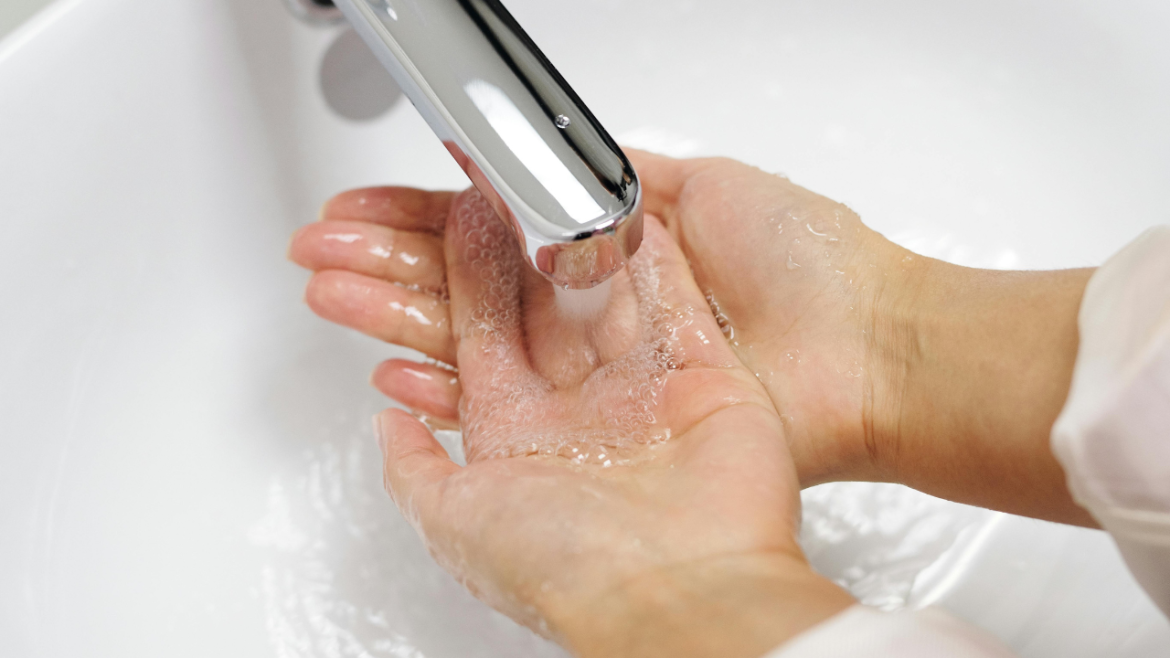
Applying fragrance-free moisturizers regularly helps restore hydration and create a protective layer that reduces water loss. Additionally, choosing mild soaps and lukewarm water during bathing prevents further stripping of natural oils. Although hot showers may feel soothing, they can exacerbate dryness and weaken the skin barrier.
Incorporating gentle care practices consistently makes a meaningful difference. Over time, these small adjustments can improve comfort and reduce irritation significantly.
Reducing The Risk Of Pressure Sores
For seniors with limited mobility, skin care becomes even more critical due to the risk of pressure sores. Prolonged sitting or lying in one position reduces blood flow to certain areas of the body, particularly the heels, hips, and lower back. When circulation is compromised, the skin and underlying tissue can break down.
Regular repositioning, skin inspections, and proper cushioning help reduce pressure-related damage. Additionally, maintaining clean and dry skin minimizes irritation and prevents bacteria from entering vulnerable areas. Caregivers play an essential role in monitoring early signs of redness or discoloration, which may indicate developing pressure injuries.
By addressing concerns early, many complications can be avoided. Preventative skin care strategies protect both comfort and long-term health.
Supporting Emotional Wellbeing Through Skin Care
While the physical benefits of skin care are clear, the emotional impact should not be overlooked. For many seniors, maintaining personal hygiene and grooming routines reinforces dignity and self-respect. The act of moisturizing the hands or applying sunscreen before going outside may seem small, yet it symbolizes autonomy and self-care.
Moreover, tactile experiences such as gentle massage during lotion application can provide comfort and connection. Human touch stimulates circulation and releases calming hormones, which contribute to emotional balance. In caregiving environments, thoughtful skin care routines often strengthen trust and rapport between seniors and their caregivers.
Feeling comfortable in one’s own skin fosters confidence. When seniors experience less itching, irritation, or visible damage, they often feel more at ease socially and emotionally.
Protecting Against Environmental Damage
Another key aspect of senior skin care involves protection from environmental factors. Aging skin is more susceptible to ultraviolet damage, which increases the risk of skin cancer and premature aging. Consistent use of broad-spectrum sunscreen and protective clothing significantly reduces this risk.
Cold weather and indoor heating systems can also intensify dryness. Therefore, using humidifiers and maintaining hydration through adequate fluid intake supports skin resilience. Small environmental adjustments contribute to long-term skin health and comfort.
By proactively shielding the skin from harmful elements, seniors can maintain healthier texture and tone well into later life.
The Long-Term Benefits Of Consistent Skin Care
Ultimately, the importance of skin care for seniors extends beyond aesthetics and into the realm of preventive health. Healthy skin acts as a barrier against infection, supports temperature regulation, and promotes overall comfort. When seniors prioritize gentle cleansing, hydration, and protection, they reduce the likelihood of complications that may otherwise require medical intervention.
Over time, consistent care strengthens the skin’s ability to repair itself. Even small improvements in hydration and protection accumulate into meaningful benefits. Seniors who maintain attentive skin care routines often experience fewer irritations and improved overall wellbeing.
In the end, skin care represents more than a daily habit. It reflects respect for the body and a commitment to preserving health at every stage of life. By embracing thoughtful, consistent skin care practices, seniors can protect their comfort, confidence, and vitality as they age gracefully.