
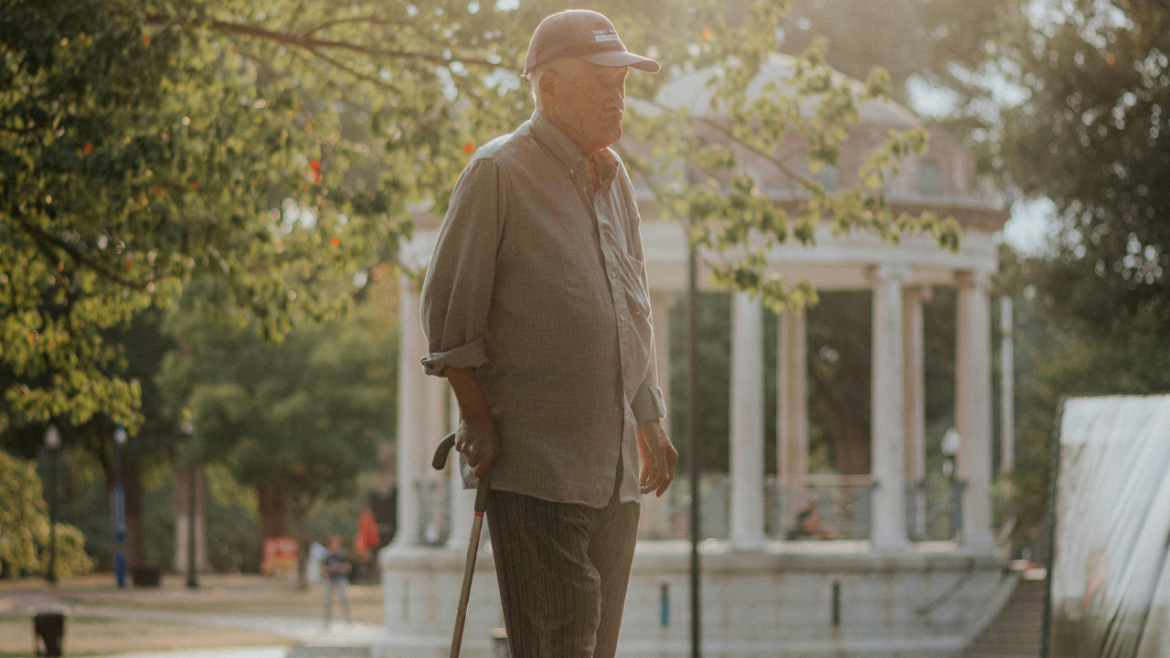
Can Walking Help A Senior Mentally?
Many families wonder whether something as simple as walking can truly help a senior mentally, especially when facing challenges such as anxiety, memory changes, or emotional isolation. While walking may appear modest compared to structured therapy or medication, its impact on senior mental health is both profound and well documented. In fact, regular walking can improve mood, sharpen cognitive function, reduce stress, and foster a renewed sense of purpose in older adults.
Although aging naturally brings physical and emotional transitions, movement remains one of the most accessible and effective tools for protecting the brain. Therefore, understanding how walking influences mental wellbeing can empower seniors to take small but meaningful steps toward emotional resilience.
How Walking Stimulates The Aging Brain
The human brain thrives on circulation, and walking is one of the simplest ways to increase blood flow to vital brain regions. As seniors walk, their heart rate rises gently, delivering oxygen and nutrients that support neural health. Over time, this improved circulation may enhance memory, concentration, and overall cognitive clarity.
Moreover, research has shown that consistent aerobic activity can stimulate the release of brain-derived neurotrophic factor, a protein that supports neuron growth and connectivity. As the brain forms and strengthens neural pathways, it becomes more adaptable and resilient. Consequently, walking does not merely benefit muscles and joints, but actively contributes to long-term cognitive preservation.
In addition, walking outdoors exposes seniors to varied sensory stimulation, including changing scenery, sounds, and natural light. These environmental cues challenge the brain to process new information, which may help slow cognitive decline and encourage mental engagement.
Emotional Benefits Of Regular Movement
Beyond cognitive support, walking offers substantial emotional benefits that directly affect senior mental health. During physical activity, the body releases endorphins, often referred to as natural mood elevators. These chemicals can reduce feelings of sadness and improve overall emotional balance.
Furthermore, walking provides a structured break from rumination and negative thought patterns. When seniors step outside or move through a familiar route, their focus shifts to rhythm, breathing, and surroundings. This subtle mindfulness effect can reduce anxiety and create a calming mental space.
Equally important is the sense of accomplishment that walking can bring. Completing even a short daily walk reinforces independence and capability, which strengthens confidence and self-esteem. As seniors witness their own consistency and progress, they often feel more empowered in other areas of life.
Walking As A Social And Psychological Connector
While solitary walks can be restorative, walking also serves as a powerful social connector. Seniors who join walking groups or invite friends to walk experience both physical movement and meaningful conversation. Social interaction stimulates the brain while simultaneously reducing feelings of loneliness.
Isolation is a major contributor to depression and cognitive decline in older adults. Therefore, combining walking with companionship multiplies its benefits. Conversations during a walk often feel more relaxed and natural than structured indoor discussions, allowing seniors to express thoughts and emotions freely.
Even brief exchanges with neighbors or passing acquaintances can foster a sense of belonging. Over time, these small interactions accumulate, reinforcing the emotional stability that supports healthy aging.
The Impact On Anxiety And Stress
Chronic stress can accelerate cognitive decline and physical aging. Walking acts as a natural stress regulator by lowering cortisol levels and promoting steady breathing patterns. As the body settles into a rhythmic pace, tension often dissipates gradually.
Moreover, walking in natural environments appears to amplify these calming effects. Exposure to greenery and open spaces has been associated with reduced mental fatigue and improved mood. Therefore, a simple walk in a park or quiet neighborhood may function as both physical exercise and gentle therapy.
Seniors coping with grief, transitions, or uncertainty often find that walking offers a space for reflection without overwhelming intensity. The act of moving forward physically can symbolize emotional progress, which may strengthen resilience over time.
Supporting Memory And Cognitive Longevity
Cognitive decline is a common concern in later life, and many families seek strategies to protect memory. Walking contributes to cognitive longevity by supporting hippocampal health, the region of the brain involved in memory formation. Research suggests that consistent moderate exercise may even increase hippocampal volume in older adults.
Additionally, walking challenges coordination, balance, and spatial awareness, all of which require mental processing. These subtle demands stimulate neural networks that might otherwise remain underused. As a result, walking becomes both physical activity and cognitive exercise.
However, the key lies in consistency rather than intensity. Gentle, regular walks provide more sustainable mental benefits than sporadic bursts of strenuous activity.
Creating A Sustainable Walking Routine
Although walking is simple, maintaining a routine requires intention. Seniors benefit from choosing safe routes, wearing supportive footwear, and pacing themselves appropriately. When walking becomes part of a daily rhythm, it gradually transforms from obligation to habit.
Setting realistic goals encourages long-term adherence. Instead of focusing on distance alone, seniors may concentrate on how walking makes them feel mentally and emotionally. This shift in perspective reinforces intrinsic motivation.
Moreover, integrating walking into meaningful contexts, such as visiting a favorite café or walking to meet a friend, adds emotional richness to the experience. Over time, these small rituals can anchor mental stability and joy.
Can Walking Truly Help A Senior Mentally?
The question of whether walking can help a senior mentally is supported by both scientific evidence and lived experience. While it is not a replacement for medical treatment when needed, walking serves as a foundational tool for promoting mental clarity, emotional balance, and cognitive strength.
Through improved circulation, stress reduction, social connection, and enhanced self-confidence, walking supports multiple dimensions of mental health simultaneously. As seniors embrace regular movement, they often discover renewed energy and optimism.
Ultimately, walking represents more than physical exercise. It symbolizes forward motion, resilience, and engagement with the world. By taking consistent steps each day, seniors can nurture not only their bodies but also their minds, reinforcing the profound connection between movement and mental wellbeing.