
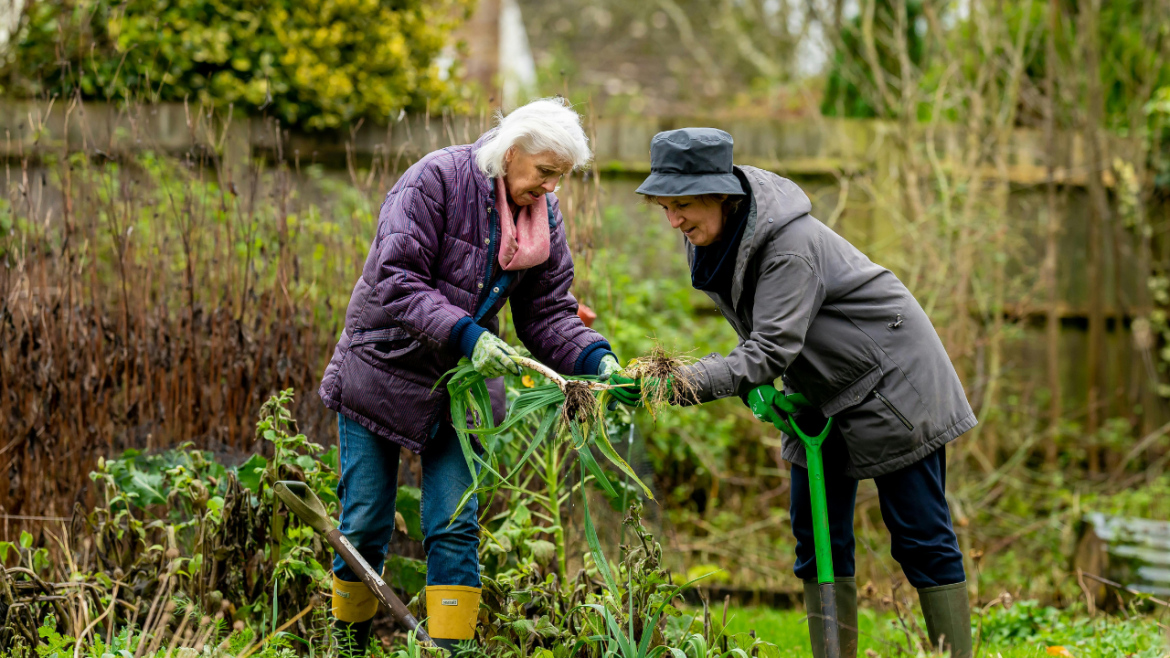
Why Do Seniors Garden?
Gardening is often seen as a quiet pastime, yet for many seniors it becomes something far deeper than a hobby. It is a source of purpose, a connection to life’s rhythms, and a way to remain engaged with the world in a meaningful, tangible way.
As people age, gardening frequently takes on new significance, offering physical movement, emotional grounding, and a sense of continuity during a stage of life filled with change. Understanding why seniors garden reveals why this activity continues to thrive well into later years.
A Sense of Purpose That Grows With Time
As careers end and responsibilities shift, many seniors search for ways to feel useful and productive. Gardening provides a reason to get up each day with intention. Plants need care, attention, and patience, and this responsibility creates a powerful sense of purpose.
Tending to something living reinforces the feeling that one’s actions still matter. Watching seeds sprout and flowers bloom affirms that effort leads to visible results, which can be deeply reassuring during a phase of life when progress elsewhere may feel slower or uncertain.
Physical Movement Without Pressure
Gardening offers gentle, functional movement that feels natural rather than forced. Digging, planting, watering, and pruning engage muscles and joints in ways that support flexibility and strength without the intimidation of structured exercise.
This type of movement often feels more accessible to seniors who may avoid gyms or formal workouts. Because gardening is purposeful, the physical benefits arrive quietly, wrapped inside an enjoyable routine rather than a demanding obligation.
Mental Clarity and Focus Through Nature
Time spent gardening encourages focus and presence. The act of working with soil, observing growth, and responding to seasonal changes naturally draws attention to the present moment.
For seniors, this focus can reduce mental clutter and stress. Gardening becomes a form of mindfulness, offering mental clarity through simple, repetitive actions that calm the nervous system and support cognitive engagement.
Emotional Healing and Stress Relief
Gardening has a profound emotional impact. Being outdoors, surrounded by natural beauty, reduces stress hormones and promotes relaxation. For seniors dealing with grief, loneliness, or anxiety, gardening provides a gentle emotional outlet.
Caring for plants offers comfort without pressure to talk or explain feelings. The garden becomes a quiet companion, absorbing worries and offering peace through growth and renewal.
A Connection to the Past and Personal Identity
Many seniors garden because it connects them to earlier chapters of life. Gardening often carries memories of childhood, family traditions, or past homes.
Recreating familiar routines preserves identity during a time when many aspects of life change. The garden becomes a living memory, allowing seniors to carry their personal history forward rather than leaving it behind.
Social Connection Through Shared Experience
Gardening often creates opportunities for connection. Conversations about plants, harvests, and seasonal changes naturally bring people together. Seniors may share tips with neighbors, exchange produce, or simply enjoy casual interactions sparked by a shared interest.
These interactions reduce isolation. Gardening provides a reason to connect without the pressure of formal social events, which can feel overwhelming for some seniors.
Control and Independence in Daily Life
As aging introduces physical limitations, maintaining a sense of control becomes increasingly important. Gardening allows seniors to make decisions, set goals, and manage outcomes independently.
Choosing what to plant, when to water, and how to shape the garden reinforces autonomy. This independence supports confidence and self-esteem, which are essential for emotional wellbeing.
Adapting to Change Through Growth
Gardening teaches acceptance of change. Seasons shift, plants grow and fade, and weather remains unpredictable. Seniors often find comfort in these cycles, which mirror life itself.
Through gardening, change feels less threatening. It becomes a natural process rather than something to resist, offering perspective and emotional resilience.
Cognitive Engagement Without Overwhelm
Gardening engages the brain in subtle ways. Planning, problem-solving, and observation stimulate cognitive function without overstimulation.
This gentle mental engagement supports memory and attention while avoiding the stress associated with complex or fast-paced tasks. Gardening meets the brain where it is, offering stimulation without pressure.
A Sense of Accomplishment and Pride
Completing gardening tasks provides immediate feedback. A cleared bed, a thriving plant, or a successful harvest creates tangible accomplishment.
These moments of success build pride. For seniors, seeing visible results reinforces the belief that they are still capable, skilled, and productive.
Emotional Grounding During Uncertain Times
Later life often brings uncertainty, whether through health changes, loss, or shifting roles. Gardening offers stability amid uncertainty.
The garden follows predictable rhythms, providing comfort and grounding. This consistency supports emotional balance during times of transition.
Supporting Overall Wellbeing Naturally
Gardening supports wellbeing on multiple levels simultaneously. Physical movement, mental focus, emotional comfort, and social connection blend seamlessly into one activity.
This holistic benefit explains why seniors often gravitate toward gardening without being told to do so. It meets many needs at once, gently and naturally.
Why Seniors Garden, Beyond the Obvious
Seniors garden because it makes life feel fuller. It restores routine, nurtures purpose, and fosters connection to both nature and self.
Gardening is not about filling time. It is about cultivating meaning. Through tending plants, seniors tend to their own wellbeing, preserving independence, dignity, and joy.
In the quiet act of gardening, seniors find movement without strain, connection without pressure, and purpose without deadlines. The garden becomes more than soil and plants. It becomes a place where growth continues, no matter the season of life.