
What Is The Severity Of Pedal Edema?
Pedal edema, the swelling of the feet and ankles, is often dismissed as a minor inconvenience, especially among seniors. Shoes feel tighter, socks leave deeper marks, and feet may look puffy by the end of the day.
While these signs can seem harmless at first, pedal edema can carry varying degrees of severity. Understanding what this swelling means helps families and seniors recognize when it is a normal response and when it signals something more serious.
Understanding Why Pedal Edema Occurs
Pedal edema develops when fluid accumulates in the tissues of the lower extremities. Gravity plays a role, especially when someone spends long periods sitting or standing. As circulation slows, fluid is more likely to pool in the feet and ankles.
Aging bodies are more vulnerable to this process. Blood vessels lose elasticity, and circulation becomes less efficient. These changes alone can cause mild swelling, yet they also make the body more sensitive to underlying health issues that increase severity.
When Swelling Is Mild and Manageable
In its mildest form, pedal edema appears gradually and improves with rest. Swelling may lessen overnight or after elevating the feet. There is usually little discomfort, and skin remains soft.
This level of edema is often linked to temporary factors. Heat, prolonged sitting, or minor dietary shifts can contribute. Although mild, this swelling still deserves attention. It reflects how the body is responding to stress and circulation changes.
Signs That Severity Is Increasing
As pedal edema becomes more pronounced, swelling may no longer fully resolve with rest. Ankles may appear persistently enlarged, and the skin can feel tight or stretched. Shoes that once fit comfortably may feel restrictive throughout the day.
At this stage, discomfort increases. Walking may feel heavier, and fatigue may set in more quickly. These changes suggest that the body is struggling to regulate fluid balance effectively.
The Emotional Impact of Progressive Swelling
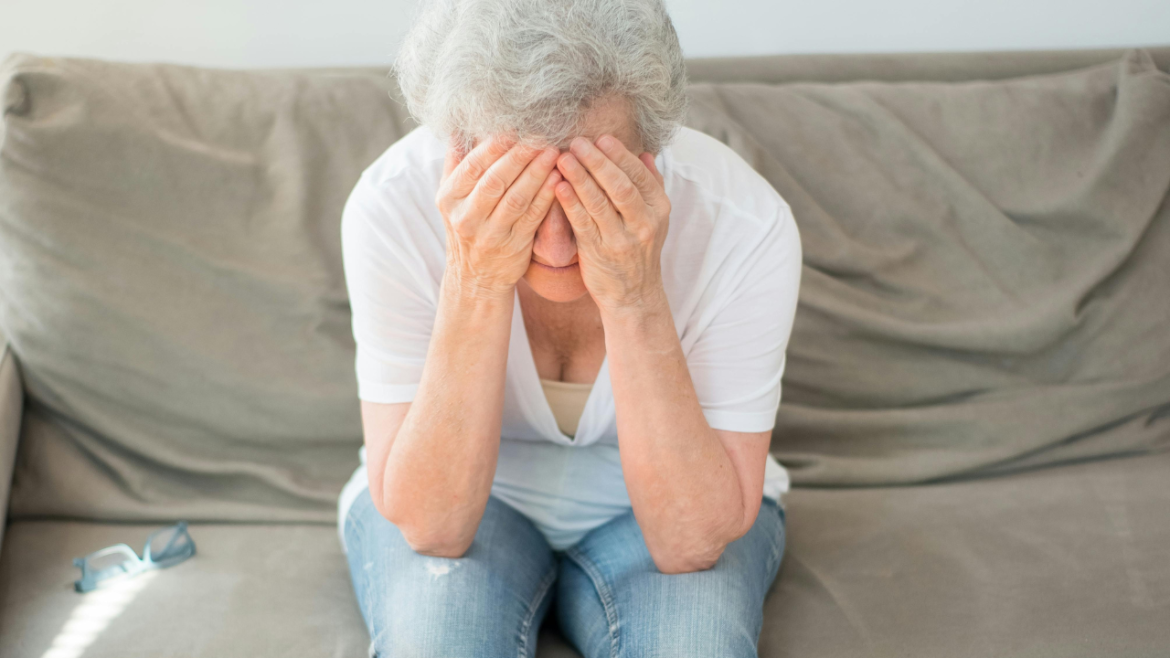
Beyond physical discomfort, worsening pedal edema affects emotional wellbeing. Seniors may feel frustrated or embarrassed by visible swelling. Confidence can decline as mobility becomes more difficult.
These emotional responses are important. When swelling interferes with daily routines, seniors may withdraw from activities they enjoy. This withdrawal compounds physical symptoms with isolation and emotional strain.
When Pedal Edema Signals Serious Health Concerns
Severe pedal edema often indicates underlying medical conditions. When swelling is sudden, painful, or accompanied by skin discoloration, it becomes a warning sign. Persistent swelling that does not improve may reflect heart, kidney, or vascular issues.
In severe cases, the skin may become shiny or fragile. Pressure may leave lasting indentations. These changes suggest that fluid accumulation is overwhelming the body’s ability to compensate.
Complications Associated With Severe Edema
As severity increases, complications become more likely. Skin integrity weakens, increasing the risk of sores or infections. Reduced mobility raises fall risk. Fluid buildup can also interfere with wound healing, prolonging recovery from minor injuries.
These complications create a cycle. Swelling limits movement, reduced movement worsens circulation, and swelling increases further. Breaking this cycle requires understanding severity early.
Pain and Sensory Changes
Although pedal edema is often described as painless, severe cases can involve aching, heaviness, or burning sensations. Nerves may become compressed by fluid, altering sensation.
Pain changes how seniors move. They may adjust their gait to avoid discomfort, leading to strain elsewhere in the body. Over time, this compensation can cause joint or back pain, further reducing quality of life.
Why Severity Is Often Underestimated
Pedal edema develops gradually, making it easy to normalize. Seniors may assume swelling is simply part of aging. Families may overlook it because it seems non-urgent.
This underestimation delays evaluation. By the time swelling becomes concerning, underlying conditions may have progressed. Awareness is essential to prevent escalation.
The Role of Daily Observation
Monitoring changes in swelling provides valuable insight into severity. Noticing whether edema worsens, spreads, or becomes painful helps determine urgency. Small changes over time matter.
Daily observation also empowers seniors. When they understand what is normal for their body, they can communicate concerns earlier. This communication supports timely care.
Emotional Reassurance and Support
Discussing pedal edema openly reduces fear. Seniors often worry about what swelling means but hesitate to ask. Providing reassurance while encouraging evaluation balances emotional comfort with safety.
Feeling supported makes seniors more likely to seek help. Emotional validation is as important as physical assessment.
Severity and Quality of Life
The severity of pedal edema directly affects daily comfort. Mild swelling may be inconvenient, while severe edema can limit independence. Understanding this spectrum helps families respond appropriately.
Quality of life should guide concern. When swelling interferes with walking, sleeping, or self-care, it is no longer minor. It deserves attention and compassion.
Taking Swelling Seriously Without Panic
Recognizing severity does not mean assuming the worst. It means respecting the body’s signals. Pedal edema is information, not a diagnosis on its own.
Approaching swelling calmly but attentively allows for appropriate response. Seniors feel safer when concerns are addressed thoughtfully rather than dismissed or dramatized.
A Signal Worth Listening To
Pedal edema varies widely in severity, from mild fluid retention to a sign of significant health issues. The difference lies in persistence, discomfort, and impact on daily life.
Listening to these signals protects health and dignity. When seniors and families understand what swelling means, they can respond with confidence rather than confusion. Recognizing severity early preserves mobility, comfort, and emotional wellbeing, ensuring that swelling remains a manageable symptom rather than a life-altering problem.