
Low Impact Exercise For Seniors
Movement remains one of the most powerful tools for healthy aging. Yet for many seniors, traditional exercise can feel intimidating or even painful. Joint stiffness, balance concerns, or fear of injury often create hesitation.
Low impact exercise for seniors offers a gentler path forward, allowing the body to stay active while protecting joints, confidence, and long-term mobility.
Why Gentle Movement Matters With Age
As the body ages, muscles naturally lose strength and joints become less forgiving. This does not mean movement should stop. Instead, movement must adapt. Low impact exercise supports circulation, flexibility, and muscle tone without placing excessive stress on vulnerable areas.
Gentle activity reassures the body that movement is safe. Over time, this reassurance rebuilds trust between the mind and muscles.
Protecting Joints While Staying Active
Joint pain is one of the most common reasons seniors avoid exercise. High-impact activities can worsen discomfort, leading to swelling or injury. Low impact exercise minimizes pounding and sudden force, allowing joints to move smoothly and comfortably.
This protection encourages consistency. When exercise does not hurt, seniors are more likely to continue moving regularly.
Rebuilding Confidence Through Safe Movement
Fear of falling or injury often limits activity more than physical weakness. Low impact exercise helps rebuild confidence by offering predictable, controlled movements.
As confidence grows, hesitation fades. Seniors begin to move more freely, both during exercise and in daily life.
Supporting Balance and Stability
Balance naturally declines with age, increasing fall risk. Low impact exercise improves balance by strengthening stabilizing muscles and enhancing coordination.
Improved balance creates a sense of security. This security supports independence and reduces anxiety during everyday movement.
Strength Without Strain
Muscle strength is essential for mobility, posture, and injury prevention. Low impact exercise strengthens muscles gradually, without overloading joints or connective tissue.
This gradual strengthening reduces soreness and fatigue. The body adapts at a pace that supports lasting progress.
Improving Circulation and Energy
Regular low impact movement improves circulation, delivering oxygen and nutrients throughout the body. Improved circulation supports heart health and reduces stiffness.
As circulation improves, energy levels rise. Seniors often feel more alert and capable throughout the day.
Enhancing Flexibility and Range of Motion
Stiffness can make movement uncomfortable and discourage activity. Low impact exercise gently stretches muscles and joints, improving flexibility over time.
Increased range of motion makes daily tasks easier. Reaching, bending, and walking feel less restrictive.
Emotional Benefits of Gentle Exercise
Exercise influences emotional wellbeing as much as physical health. Low impact exercise reduces stress and supports a positive mood.
Movement releases tension stored in the body. Seniors often experience improved outlook and reduced anxiety with regular activity.
Encouraging Social Engagement
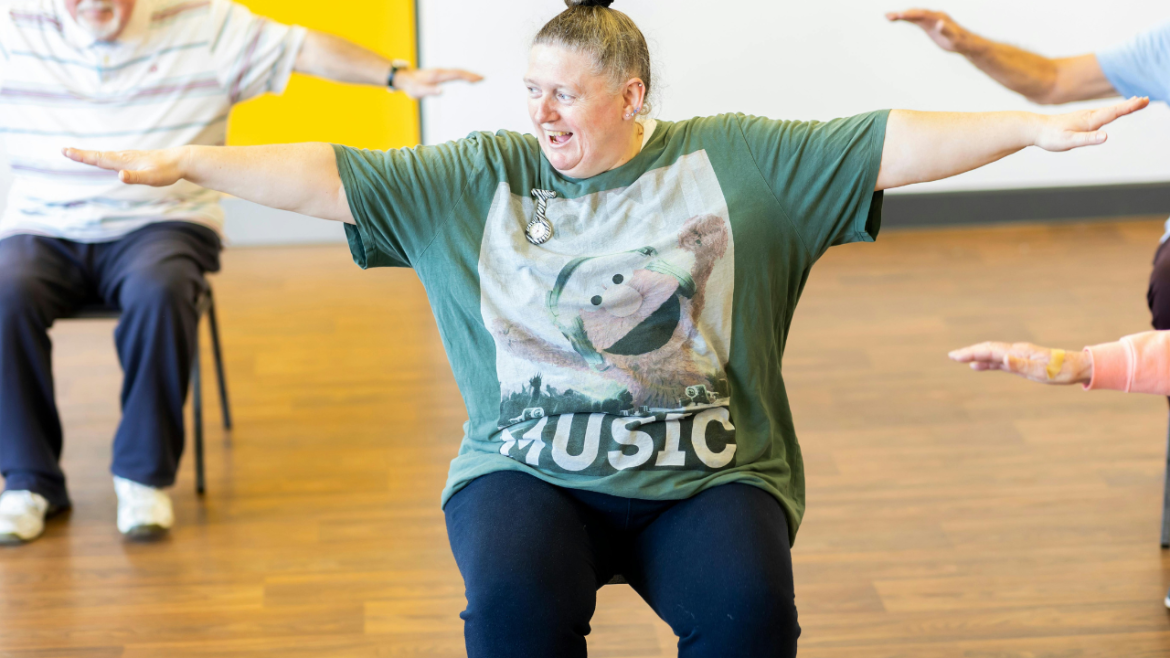
Many low impact activities are done in group settings or shared spaces. This social element adds emotional value to physical movement.
Connection reduces isolation. Exercise becomes not just movement, but meaningful engagement with others.
Adapting to Individual Needs
One of the greatest strengths of low impact exercise is adaptability. Movements can be modified based on comfort, ability, and health conditions.
This flexibility allows seniors to exercise safely regardless of starting point. Progress feels achievable rather than overwhelming.
Supporting Chronic Condition Management
Low impact exercise supports management of common chronic conditions. Gentle movement helps regulate blood pressure, blood sugar, and joint function.
Consistent activity often reduces symptom severity. Seniors feel more in control of their health.
Preventing Decline Through Consistency
Inactivity accelerates physical decline. Low impact exercise provides a sustainable way to remain active long-term.
Consistency matters more than intensity. Regular gentle movement preserves strength and mobility over time.
Improving Sleep Quality
Physical activity influences sleep patterns. Low impact exercise helps regulate sleep cycles by reducing restlessness and tension.
Better sleep supports recovery and mental clarity. Seniors often notice deeper, more restful sleep with consistent movement.
Maintaining Independence
Mobility is closely tied to independence. Low impact exercise supports the strength and balance needed for daily activities.
As independence improves, confidence follows. Seniors feel capable of managing their routines without excessive assistance.
Overcoming the Fear of Starting
Starting exercise can feel daunting. Low impact movement reduces this fear by offering gentle entry points.
Each small success builds momentum. Over time, exercise becomes familiar and less intimidating.
Listening to the Body
Low impact exercise encourages mindfulness. Seniors learn to listen to their bodies and respect limits.
This awareness prevents injury. It also builds a healthier relationship with movement.
Long-Term Benefits Beyond the Body
The benefits of low impact exercise extend beyond physical changes. Confidence, resilience, and self-trust grow alongside strength.
Exercise becomes a source of empowerment rather than obligation.
A Sustainable Approach to Aging Well
Low impact exercise for seniors supports aging with dignity and vitality. It honors the body’s changing needs while encouraging continued movement.
This approach fosters long-term health rather than short-term results. Seniors feel supported, not pushed.
Embracing Movement at Any Age
Movement remains possible at every stage of life. Low impact exercise opens the door to activity without fear or pain.
By choosing gentle, consistent movement, seniors protect their joints, improve balance, and enhance emotional wellbeing.
Low impact exercise is not about doing less. It is about moving wisely. With patience and consistency, it restores confidence, supports independence, and reminds seniors that their bodies are still capable of strength, grace, and meaningful motion.