
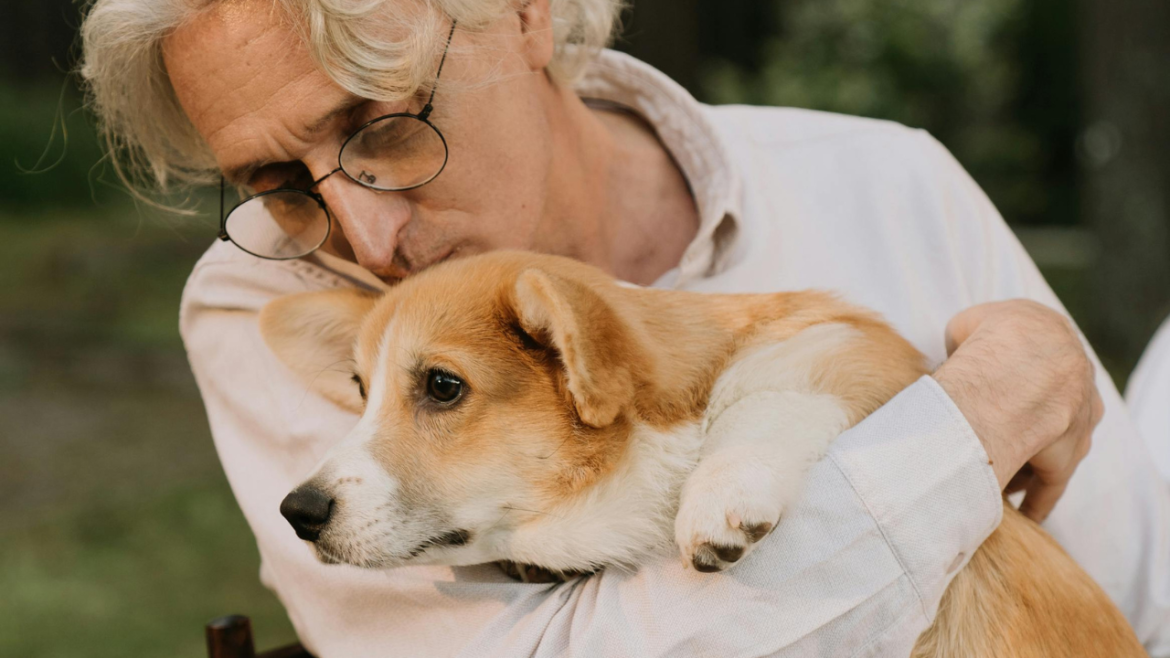
Can Dogs Help Seniors Mentally?
For many seniors, later life brings quieter days, fewer social interactions, and emotional changes that are not always visible to others. Loneliness, anxiety, and a sense of disconnection can quietly settle in, even for those surrounded by family. In this context, dogs often become far more than pets.
They become emotional anchors, sources of routine, and companions that offer unconditional presence. Understanding whether dogs help seniors mentally requires looking beyond companionship and into the deeper emotional, psychological, and neurological benefits that human–animal bonds can create.
Companionship That Reduces Loneliness
One of the most powerful mental health benefits dogs provide is consistent companionship. Seniors who live alone or experience reduced social contact often feel a deep sense of isolation. A dog offers steady presence without judgment or expectations.
This companionship fills emotional space that might otherwise feel empty. The simple act of sharing a home with a living being who responds with affection can reduce feelings of abandonment and emotional invisibility. Over time, this connection can significantly improve mood and emotional stability.
Emotional Security Through Unconditional Acceptance
Dogs offer affection that is not dependent on memory, physical ability, or productivity. For seniors who may feel their value has diminished due to aging or health changes, this unconditional acceptance is profoundly healing.
Being greeted with excitement, affection, and loyalty reinforces a sense of worth. This emotional feedback helps seniors feel seen and needed, which strengthens emotional resilience and self-esteem.
Routine That Supports Mental Stability
Caring for a dog naturally creates daily structure. Feeding, walking, grooming, and playtime provide rhythm to the day. For seniors, this routine offers mental grounding and reduces the feeling that days blend together.
Structure supports cognitive clarity. When days have predictable patterns, the brain feels more oriented and less overwhelmed. This predictability can reduce anxiety and increase a sense of control over daily life.
Stress Reduction and Nervous System Regulation
Interacting with dogs has been shown to lower stress hormones and increase calming neurochemicals. Petting a dog, watching their relaxed behavior, and engaging in gentle play all signal safety to the nervous system.
For seniors experiencing chronic stress, grief, or anxiety, this calming effect is especially valuable. Dogs create moments of emotional regulation that help reset the mind during difficult emotional states.
Support During Grief and Emotional Loss
Later life often includes significant losses. The death of a spouse, friends, or family members can leave seniors with deep emotional pain. Dogs provide quiet, steady comfort during these periods.
They do not require conversation or explanation. Their presence alone offers solace. Many seniors report that their dog helped them survive periods of grief by providing something to care for and something that cared for them in return.
Encouraging Gentle Social Interaction
Dogs naturally create opportunities for connection. Walks, vet visits, and casual encounters with other dog owners often lead to brief conversations and shared experiences.
These small interactions may seem minor, yet they reduce social isolation. For seniors who feel hesitant about social settings, dogs act as social bridges that make interaction feel safer and more natural.
Purpose and Responsibility
Having a dog gives seniors a reason to engage with the world each day. The responsibility of caring for another being reinforces purpose.
Purpose is a powerful mental health factor. Feeling needed supports motivation, emotional engagement, and overall life satisfaction. This sense of responsibility can be especially meaningful after retirement or loss of former roles.
Emotional Regulation and Mood Support
Dogs are highly attuned to human emotions. Many seniors notice that their dog seems to sense when they are upset or anxious. The dog’s closeness during emotional moments provides comfort and emotional grounding.
This responsiveness helps seniors feel emotionally supported even when words fail. Over time, this emotional attunement strengthens the sense of being understood and cared for.
Cognitive Engagement Through Interaction
Interacting with dogs engages attention, memory, and problem-solving. Remembering feeding schedules, observing behavior changes, and responding to the dog’s needs all stimulate cognitive processes.
This gentle cognitive engagement helps keep the mind active without overwhelming it. For seniors experiencing mild cognitive changes, this ongoing interaction can support mental engagement in a natural way.
Physical Movement That Supports Mental Health
While primarily physical, movement has strong mental health effects. Walking and playing with dogs encourages activity, which increases blood flow to the brain and supports mood-regulating chemicals.
Even light movement improves mental clarity and reduces symptoms of depression and anxiety. The dog becomes a motivator for staying active in ways that feel meaningful rather than forced.
Reducing Feelings of Fear and Vulnerability
Some seniors feel more secure with a dog in the home. The presence of a dog can reduce fear of being alone, especially at night.
This sense of protection supports emotional safety. Feeling less vulnerable allows the mind to relax, reducing chronic anxiety and improving overall mental wellbeing.
Emotional Expression Without Judgment
Dogs allow seniors to express emotions freely. Talking to a dog, sharing worries, or simply sitting quietly offers emotional release without fear of burdening others.
This emotional outlet supports mental health by reducing internalized stress. Seniors often feel more comfortable expressing emotions to pets than to people.
Supporting Identity and Continuity
For seniors who have always loved animals, having a dog helps preserve identity. It reinforces continuity with earlier life stages and personal values.
Maintaining this sense of self supports emotional stability and reduces feelings of loss associated with aging.
Can Dogs Help Seniors Mentally in Lasting Ways
Dogs help seniors mentally by providing companionship, emotional security, routine, and purpose. They reduce loneliness, ease anxiety, and offer consistent emotional support during life transitions.
This bond is not a replacement for human connection, but it is a powerful supplement. For many seniors, a dog becomes a source of joy, comfort, and emotional grounding that enhances overall mental wellbeing.
In the quiet presence of a dog, seniors often rediscover connection, purpose, and peace. The relationship becomes more than companionship. It becomes a source of emotional healing that supports the mind as much as the heart.