
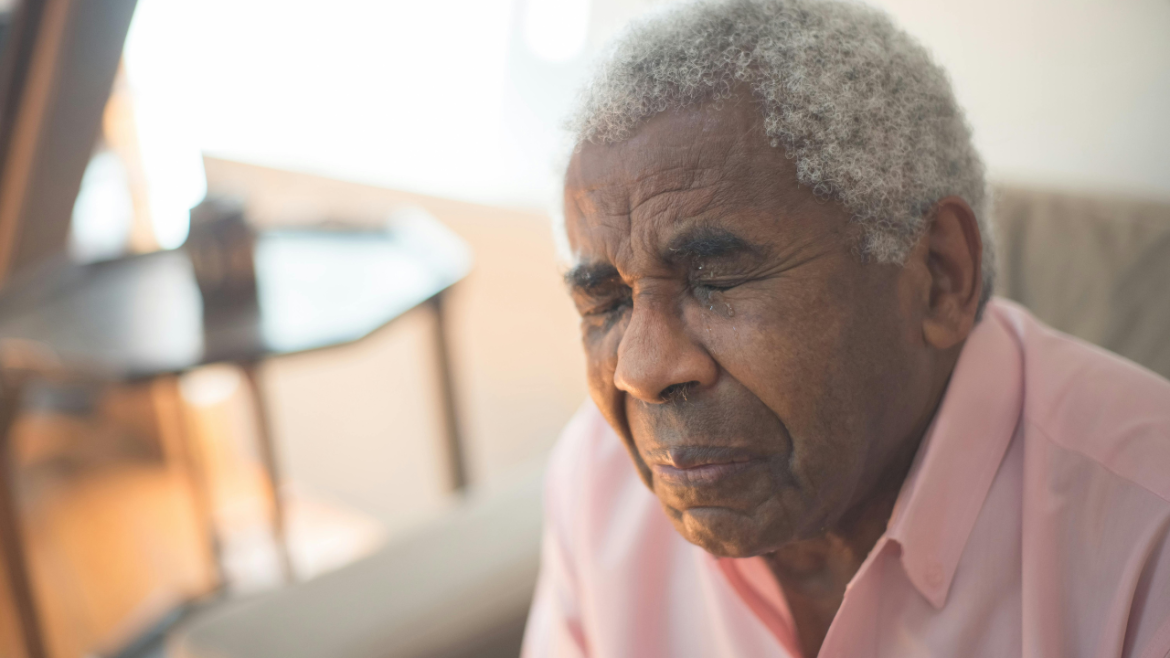
Why Seniors Hide Pain Until It Becomes Severe
Pain is a deeply personal experience, yet for many seniors it becomes something to conceal rather than share. Families are often shocked to discover that a loved one has been suffering quietly for weeks or even months before finally admitting something is wrong.
This silence is rarely accidental. Understanding why seniors hide pain until it becomes severe reveals emotional, psychological, and generational influences that shape how older adults respond to discomfort.
A Lifetime of Endurance and Self-Reliance
Many seniors were raised in a time when complaining about pain was discouraged. Endurance was praised, and discomfort was something to push through quietly. This mindset does not fade with age. Instead, it becomes deeply ingrained, shaping how seniors interpret and respond to physical symptoms.
For these individuals, acknowledging pain feels like admitting weakness. They may believe that strong people tolerate discomfort without complaint. Even when pain interferes with daily life, seniors may convince themselves it is something they should manage alone. This belief can delay care until pain becomes impossible to ignore.
Fear of Losing Independence
Independence is central to a senior’s sense of identity. Pain threatens that independence. Admitting pain may feel like opening the door to unwanted changes, such as increased supervision, medical appointments, or loss of autonomy. Seniors often worry that once they speak up, control will slip away.
This fear leads many seniors to minimize or deny pain. They may downplay symptoms to protect their independence, even when doing so places their health at risk. From their perspective, silence feels like self-preservation rather than avoidance.
Not Wanting to Be a Burden
The desire to protect loved ones plays a powerful role in pain concealment. Seniors often see family members juggling busy lives, responsibilities, and stress. They may worry that sharing pain will create worry or inconvenience.
This protective instinct is rooted in love. Seniors may believe they are sparing their family emotional strain by staying quiet. Unfortunately, this silence often leads to greater distress when pain eventually escalates into a medical crisis.
Generational Attitudes Toward Healthcare
Many seniors grew up with limited access to healthcare or a cultural emphasis on only seeking medical attention for serious issues. Minor pain was not considered worth mentioning. Over time, this attitude becomes habitual.
Seniors may dismiss early pain as normal aging rather than a sign of something treatable. They may believe doctors are too busy or that pain is simply part of getting older. This mindset delays care and allows manageable conditions to worsen unnecessarily.
Difficulty Describing Pain
Pain is not always easy to articulate. Seniors may struggle to describe sensations clearly, especially if cognitive changes are present. They may fear being misunderstood or dismissed if they cannot explain pain precisely.
This uncertainty can lead to silence. Seniors may decide it is easier not to say anything than to risk confusion or embarrassment. Over time, untreated pain intensifies, eventually forcing acknowledgment.
Emotional Stoicism and Pride
Pride plays a quiet but influential role. Seniors who have spent their lives being dependable may struggle to accept vulnerability. Asking for help contradicts their self-image.
This stoicism often masks significant suffering. Seniors may smile through pain, insisting they are fine. Loved ones may mistake this composure for comfort, unaware of the emotional effort required to maintain it.
How Pain Affects Emotional Wellbeing
Unspoken pain does not remain isolated in the body. It affects mood, energy, and emotional balance. Seniors in pain may become irritable, withdrawn, or fatigued. These changes are sometimes misattributed to aging or personality shifts.
Over time, chronic pain increases anxiety and low mood. Seniors may feel trapped in their discomfort, yet still resist sharing it. Emotional isolation deepens alongside physical suffering.
Why Pain Finally Becomes Visible
Eventually, pain reaches a point where it interferes with basic functioning. Sleep becomes disrupted. Movement becomes difficult. Daily activities feel overwhelming. At this stage, hiding pain is no longer possible.
Families may feel blindsided, wondering why their loved one waited so long to speak up. Understanding the emotional reasons behind this delay helps replace frustration with compassion.
Creating a Safe Space for Honesty
Seniors are more likely to share pain when they feel emotionally safe. Conversations that emphasize partnership rather than control encourage openness. When seniors trust that sharing pain will not automatically lead to loss of independence, honesty becomes easier.
Listening without judgment matters deeply. Seniors need to feel believed and respected. When pain is acknowledged calmly, fear diminishes.
Reframing Pain as Information, Not Failure
Helping seniors reframe pain is essential. Pain is not a personal failure or sign of weakness. It is information the body provides. When seniors understand this, shame decreases and self-compassion increases.
Families who reinforce this message help seniors feel empowered rather than exposed. Pain becomes something to address together rather than hide alone.
Supporting Early Communication
Encouraging early communication prevents unnecessary suffering. Gentle check-ins and open-ended questions create opportunities for sharing without pressure. Over time, these conversations build trust.
When seniors feel supported, they are more likely to speak up sooner. Early intervention improves outcomes and preserves quality of life.
Compassion Changes Outcomes
Seniors hide pain until it becomes severe not because they are stubborn, but because they are protecting their identity, independence, and loved ones. Recognizing this truth transforms how families respond.
When caregivers approach pain with empathy and patience, seniors feel less alone. Silence gives way to connection. With compassion, pain no longer needs to be hidden. Instead, it becomes a shared challenge, addressed with dignity, understanding, and care.