
Why Do Seniors Bruise So Easily?
Bruising becomes more common as adults age, and many seniors find themselves startled by marks that seem to appear without warning. These bruises may fade slowly, feel tender, or look darker than expected. Families often worry when they see them because the bruises seem to appear from the lightest bump.
Seniors may not even remember how they happened, which adds to the concern. Understanding why seniors bruise easily helps bring clarity to a situation that can feel confusing or frightening. This awareness also offers reassurance that many bruises are a natural part of aging, even though they require observation and care.
How Aging Changes the Skin and Blood Vessels
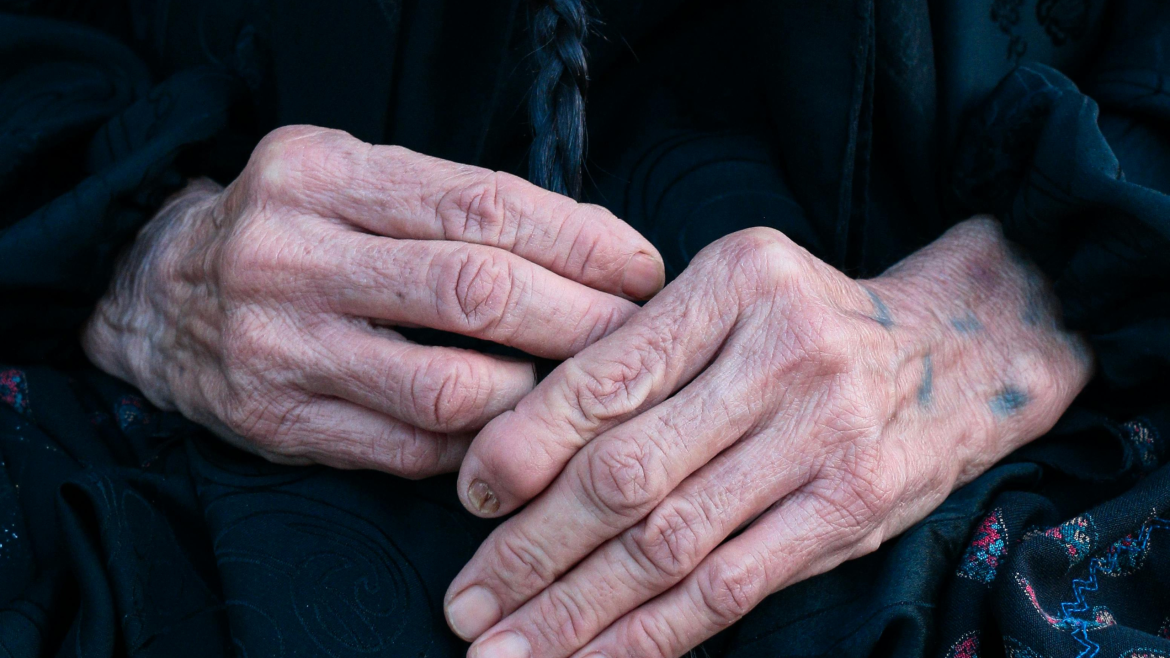
The skin undergoes dramatic changes as individuals grow older. The layers become thinner, the underlying fat decreases, and the skin loses elasticity. These changes make the skin more fragile and less capable of cushioning everyday impacts. The blood vessels beneath the skin also weaken over time. The protective structures that once shielded these vessels gradually diminish. When a senior bumps into a table or presses against a chair arm, the vessels may break more easily, causing blood to pool beneath the skin and form a visible bruise.
This combination of thinning skin and weakened vessels creates a situation where even gentle pressure can leave a mark. Seniors often feel confused by these changes because the impact that caused the bruise may have seemed insignificant or unnoticeable. Families can offer reassurance by recognizing that these bruises reflect natural aging rather than a sign of carelessness or frailty.
The Role of Reduced Collagen and Slower Healing
Collagen, a key structural protein, decreases significantly with age. Lower collagen levels affect the skin’s strength and resilience. When collagen loss combines with reduced moisture, the skin becomes more delicate. Small injuries that once healed quickly now take more time. A simple bump might create a bruise that lingers for weeks. Seniors may feel discouraged by the slow healing process because it becomes a constant visual reminder of aging.
The body’s ability to repair damaged blood vessels also declines. This slower healing means bruises may grow larger or darker before fading. Families who understand this slower cycle can support seniors with patience, empathy, and reassurance. Understanding the biology behind the bruises helps reduce fear and prevents misinterpretation.
How Medications and Health Conditions Increase Bruising
Several health conditions common in seniors contribute to easier bruising. Conditions that affect circulation, such as heart disease or diabetes, influence how blood flows and how vessels respond to pressure. Liver issues or clotting disorders may also play a role. These conditions often develop slowly, and the bruises may be the first noticeable sign that the body is changing.
Medications also influence bruising. Blood thinners, aspirin, steroids, and anti-inflammatory drugs reduce the blood’s ability to clot. When clotting slows, bruises appear more quickly and take longer to resolve. Seniors who rely on these medications may develop bruises from minimal impact. They may worry that something is wrong with their skin, unaware that their medication is playing a direct role. When families recognize this connection, they can offer comfort and encourage open communication with healthcare providers.
How Nutrition and Hydration Affect Skin Strength
Nutrition shapes skin health more than most people realize. Seniors who consume fewer vitamins, minerals, or proteins may experience increased skin fragility. Vitamin C and vitamin K deficiencies can affect vessel support and clotting. Dehydration also weakens the skin and reduces elasticity. Seniors may lose interest in food or drink less water because of appetite changes or medication effects.
These nutritional factors create a deeper connection between daily habits and skin health. Encouraging balanced meals and proper hydration not only improves skin resilience but also enhances energy, mood, and overall wellbeing. Families who understand this relationship can help seniors feel supported in their efforts to protect their skin.
When Bruising Might Signal Something More Serious
Although many bruises are harmless, some may signal a deeper concern. Sudden increases in bruising, especially in unusual locations, may indicate changes in medication response or underlying illness. Seniors may feel anxious when bruises appear without explanation. Families who pay attention to patterns can help identify when a medical evaluation is needed. This shared awareness strengthens trust and ensures seniors receive timely care.
Understanding the difference between normal bruising and concerning symptoms provides peace of mind. It helps seniors feel safer in their bodies and supported by loved ones who notice subtle changes. This emotional reassurance is just as important as physical protection.
How Families Can Support Seniors With Fragile Skin
The emotional impact of frequent bruising should not be underestimated. Seniors may feel embarrassed or frustrated by marks that make them appear fragile. They may worry about how others perceive them. Supportive conversations help alleviate this emotional burden. When family members acknowledge that bruising is a natural part of aging, seniors feel less self-conscious and more understood.
Gentle environments also help. Softer surfaces, improved lighting, and supportive furniture reduce the risk of bumps. Encouraging slow, mindful movements increases confidence. These changes foster an atmosphere where seniors can feel safe while maintaining independence.
Moving Forward With Understanding and Care
Bruising in seniors may appear alarming, but it often reflects natural changes that occur with age. By understanding the reasons behind these marks, families can respond with empathy rather than fear. Awareness strengthens connection. It encourages gentle support, healthier habits, and open communication. When seniors feel understood and cared for, the bruises become less frightening and more manageable. With knowledge and compassion, families help create a safe and reassuring environment where aging feels less uncertain and more supported.