
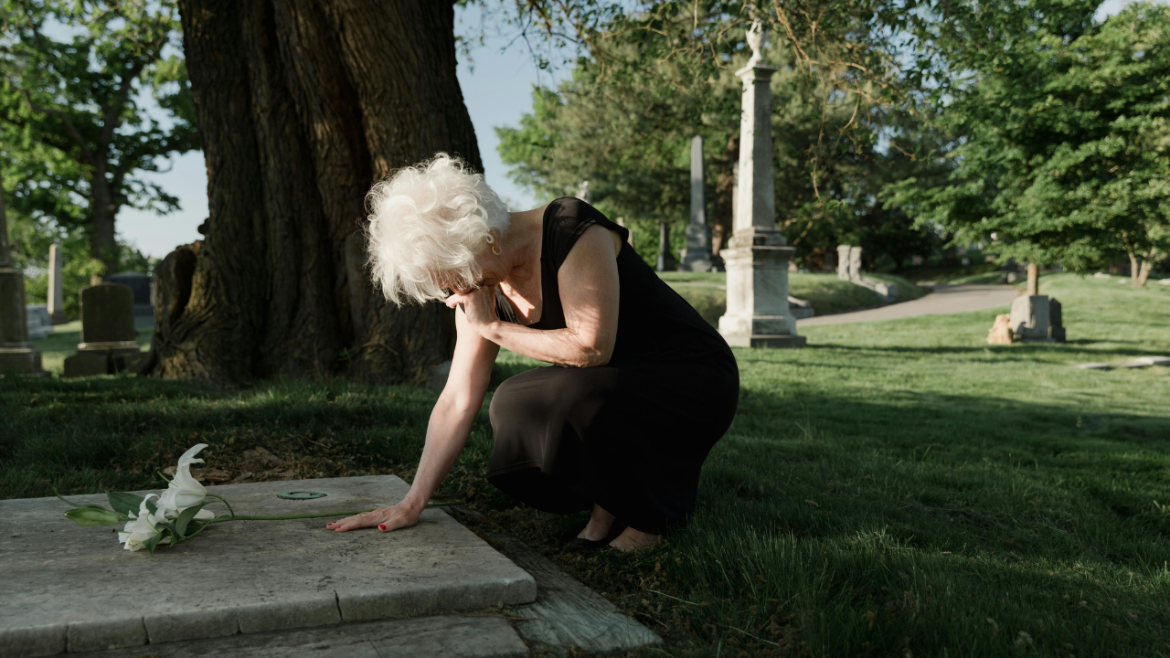
How Grief Affects Seniors Years After A Loss
Grief does not follow a predictable timeline, especially for seniors. While the initial loss of a spouse, sibling, friend, or lifelong companion may bring visible sorrow, the deeper effects of grief often surface years later.
Families may assume healing has already taken place, yet grief can quietly resurface as life slows and distractions fade. Understanding how grief affects seniors years after a loss helps loved ones recognize emotional pain that remains unspoken and unmet.
Why Grief Can Reemerge Long After the Loss
As seniors age, their daily routines often become quieter. Retirement, reduced mobility, and fewer social obligations create long stretches of reflection. During these moments, unresolved grief can resurface with surprising intensity. Memories that were once pushed aside by responsibilities or caregiving roles suddenly come forward. This delayed grief is not a setback. It is the mind finally making space for emotions that were postponed for survival.
Anniversaries, holidays, and life milestones often trigger renewed grief. A senior may appear emotionally stable most of the year, yet feel overwhelming sadness during certain seasons. These emotional waves can feel confusing, even embarrassing, because they appear long after others expect healing to be complete.
The Emotional Weight of Loneliness and Identity Loss
Grief in later life is closely tied to loneliness. When a senior loses someone deeply connected to their identity, such as a spouse or sibling, the loss extends beyond companionship. It disrupts how they see themselves in the world. A widow may struggle with no longer being part of a pair. A senior who lost a lifelong friend may feel untethered from shared history.
This identity shift often goes unnoticed by family members. Seniors may not articulate these feelings clearly. Instead, they may withdraw, lose interest in activities, or appear emotionally flat. These changes are not signs of apathy. They reflect an internal struggle to redefine purpose after profound loss.
How Grief Affects Physical Health Over Time
Grief does not remain confined to the heart or mind. Over time, it affects physical health in subtle but meaningful ways. Seniors experiencing long-term grief often report increased fatigue, sleep disturbances, and weakened immune function. Chronic sadness can alter stress hormone levels, placing strain on the cardiovascular system.
These physical symptoms may be mistaken for normal aging. However, unresolved grief intensifies existing health conditions and slows recovery from illness. Seniors may feel their bodies failing them without understanding the emotional root. When grief is acknowledged, physical symptoms often become easier to manage.
Cognitive Changes Linked to Long-Term Grief
Prolonged grief can also affect cognitive function. Seniors may experience memory lapses, difficulty concentrating, or slowed thinking. These changes may raise fears of dementia, both for the senior and their family. While grief does not cause dementia, it can mimic or worsen cognitive symptoms.
Emotional pain occupies mental space. When the mind is consumed by unresolved loss, cognitive resources become strained. Seniors may feel mentally foggy or easily overwhelmed. Understanding this connection helps families respond with reassurance rather than alarm.
Why Seniors Often Hide Ongoing Grief
Many seniors grew up in a time when emotional expression was discouraged. They may believe they should be “over it” by now. This belief leads them to hide ongoing grief, even from close family members. They may minimize their pain to avoid burdening others.
This emotional suppression deepens loneliness. Seniors may feel unseen and misunderstood, which compounds grief rather than resolving it. When families create space for open conversation without judgment, seniors often feel relieved simply to be heard.
The Role of Meaning and Remembrance
Healing from grief does not mean forgetting. For seniors, healing often involves finding new ways to carry memories forward. When grief remains unresolved, it is often because the loss feels unfinished or disconnected from present life. Seniors may struggle to integrate the memory of a loved one into who they are now.
Gentle remembrance helps bridge this gap. When memories are honored rather than avoided, grief becomes less isolating. Seniors regain a sense of continuity, realizing that love does not disappear with loss. This realization brings comfort even years later.
How Families Can Support Seniors Through Lingering Grief
Support begins with presence. Seniors benefit most when family members listen without rushing to fix or dismiss emotions. Acknowledging that grief can last a lifetime validates the senior’s experience. It reassures them that their feelings are normal, not signs of weakness.
Encouraging connection also matters. Shared activities, meaningful conversations, and gentle routines help seniors feel anchored in the present. These moments do not erase grief, but they soften its edges. Over time, emotional balance slowly returns.
Moving Forward With Compassion and Understanding
Grief in seniors is not a chapter that closes neatly. It is a process that evolves as life changes. Years after a loss, grief may resurface because the bond was real and meaningful. Understanding this reality helps families replace impatience with compassion.
When seniors feel safe expressing grief, healing becomes possible at their own pace. They feel less alone in their sorrow. With empathy, patience, and connection, families help seniors carry their grief without being consumed by it. In doing so, they honor both the loss and the enduring strength of the person who remains.